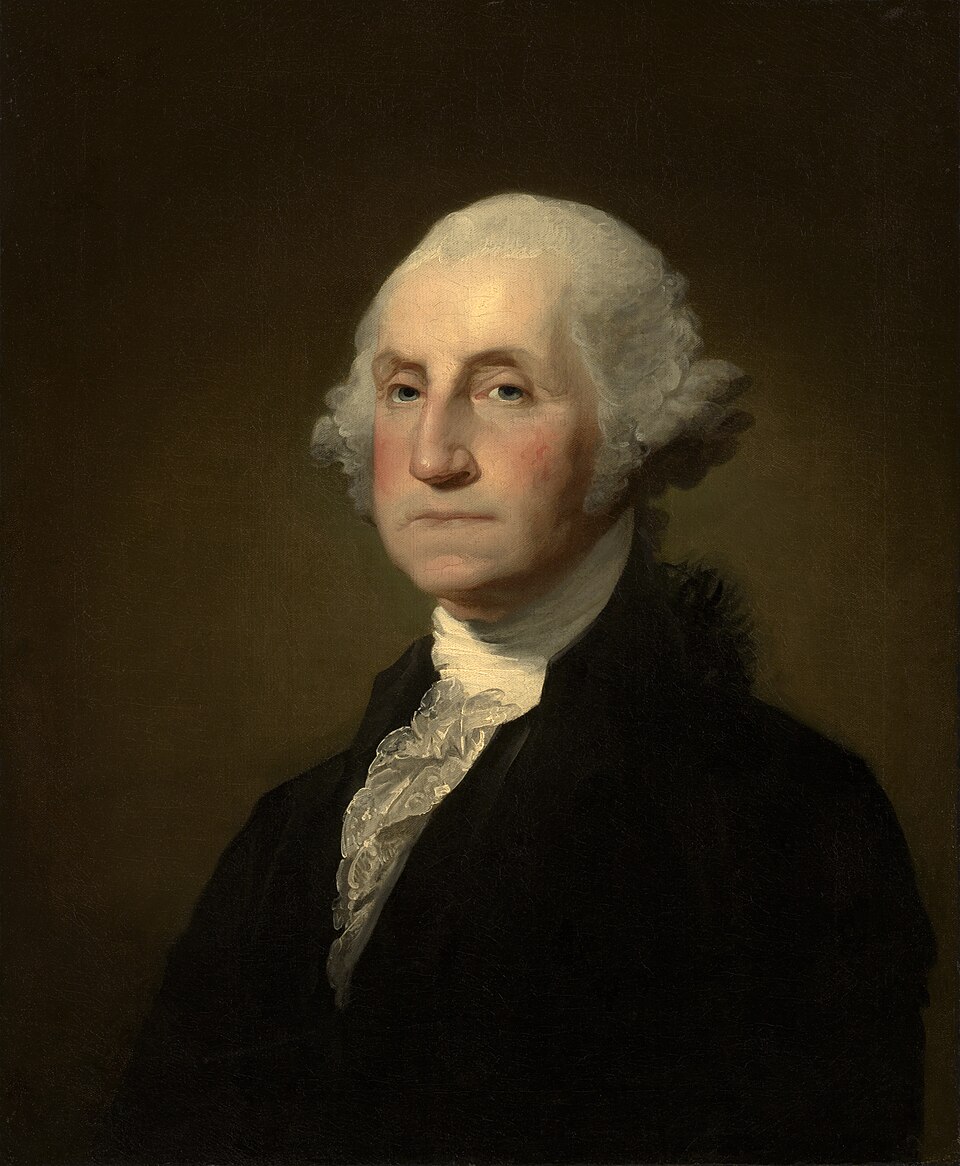
Ron Chernow’s Pulitzer winning work – ‘Washington: A Life’ was a detailed biography of arguably the greatest American of all time. Unlike Ben Franklin, Jefferson or Hamilton, he was neither charismatic nor an erudite genius. But his greatness mainly stemmed from the fact that he nonchalantly gave up his role as the Commander-in-Chief of the American forces once Britain capitulated. He could easily have been another Napoleon (imagine!) but instead decided to retire back to Mount Vernon and live out his years as a planter. The American Congress had other plans for him and he eventually became the first President of the United States.
Washington began his career as a surveyor which gave him valuable insights into the untapped potential of the American frontier lands and probably explained his lifelong fascination with land speculation. At the age of 21, he joins the Virginia regiment, fights the French and distinguishes himself. Eventually, when the Revolutionary War kicked off, Congress could find no better option to lead the Revolutionary Army.
Some amusing tidbits from the book:
Apart from a visit to the West Indies, he never left the US mainland in his life. Despite this, at the time of his death, he was probably the most famous person in the world. (I imagine a world where Catherine the Great, Tipu Sultan, Napoleon and Nelson were his contemporaries.)
Washington had lifelong problems with his teeth and was literally toothless, during his Presidency, and in excruciating pain due to his dentures.
His address at Newburgh to his soldiers who were on the cusp of mutiny due to delayed payment became legendary:
Then he pulled out his new spectacles, shocking his fellow officers: they had never seen him wearing glasses. “Gentlemen, you must pardon me,” he said. “I have grown gray in your service and now find myself growing blind.” These poignant words exerted a powerful influence. Washington at fifty-one was much older and more haggard than the young planter who had taken charge of the Continental Army in 1775. The disarming gesture of putting on the glasses moved the officers to tears as they recalled the legendary sacrifices he had made for his country.
And finally, he also spent considerable time in his estate trying to make donkeys and horses mate:
After some early difficulties, the resulting donkeys settled down and performed their duties, producing fifty-seven mules at Mount Vernon by century’s end and enabling Washington to realize his hope to “secure a race of extraordinary goodness that will stock the country.” In addition to his better-known title of Father of His Country, Washington is also revered in certain circles as the Father of the American Mule.
Discover more from Manish Mohandas
Subscribe to get the latest posts sent to your email.
