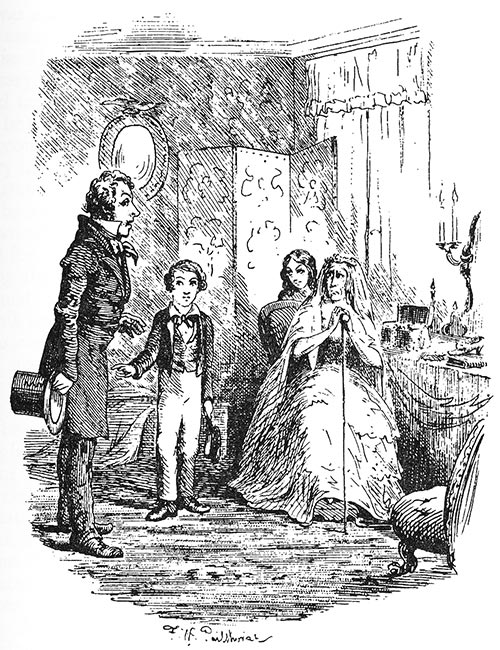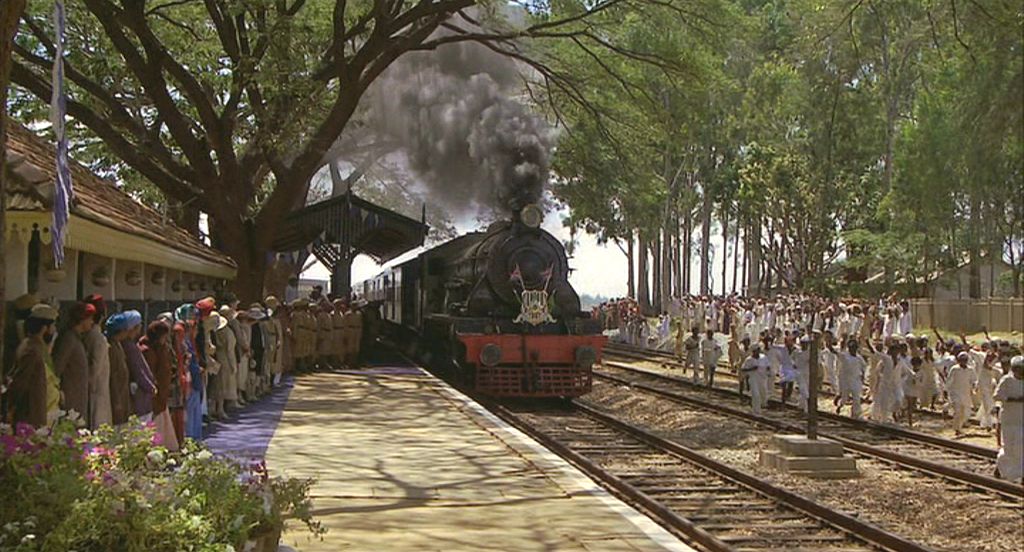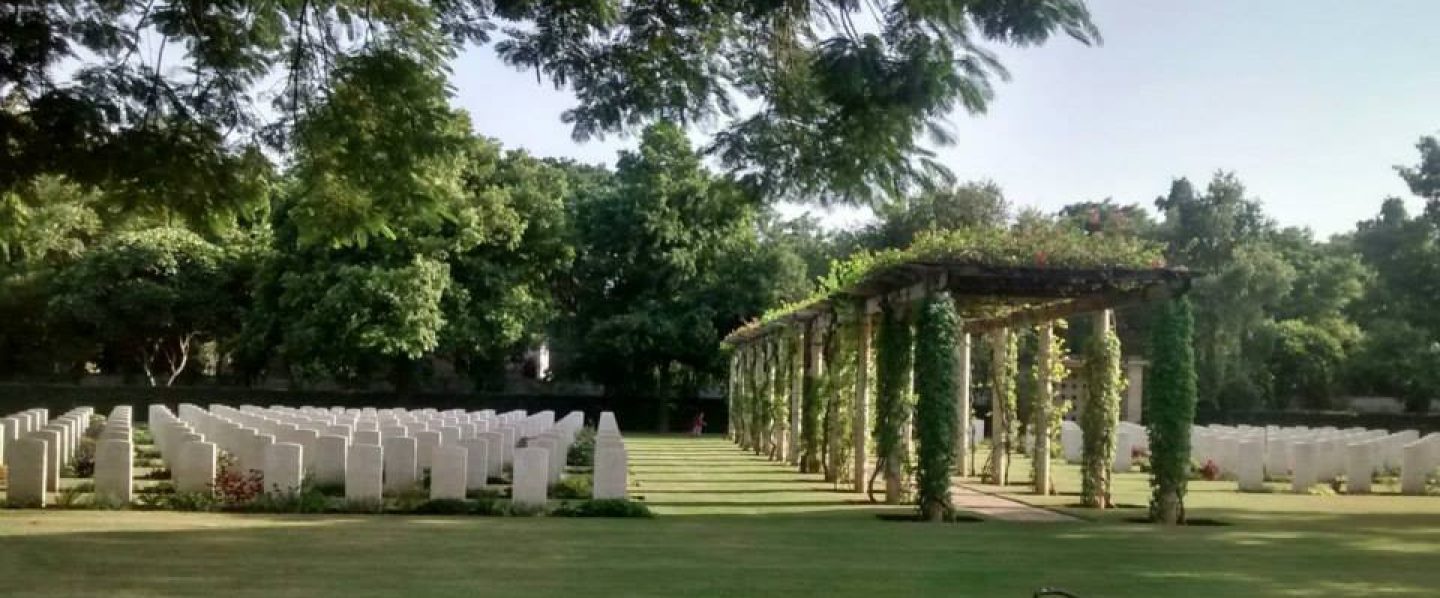
E. M. Forster’s A Room with a View, beyond its exploration of class in Victorian Britain, also captures the tourism mania that gripped the country at the turn of the century. With the British Empire at its zenith, the continent and far-flung regions such as India, Egypt, and South Africa became accessible, exerting a powerful … Continue reading Forster’s ‘A Room with a View’
Category: Books
Desmond Morris’ ‘The Naked Ape’
The Naked Ape by Desmond Morris was a sensation when it appeared in the 1960s. It arrived at a moment defined by free love, the Vietnam War protests, the hippie movement, rising race consciousness, and a broader rethinking of gender. Into this atmosphere, Morris dropped the provocative idea that humans are no different from apes … Continue reading Desmond Morris’ ‘The Naked Ape’
‘India’ in ‘Jane Eyre’
Jane Eyre was written in 1847, when India was on track to becoming the crown jewel of the Raj. So the references to India in Bronte’s novel, though a surprise to me, were very much with keeping up with the world she inhabited. Towards the end of the novel, Eyre is proposed by the clergyman … Continue reading ‘India’ in ‘Jane Eyre’
Erica Jong on Ted Hughes’ Irresistibility
Erica Jong burst into the literary-feminist scene in 1973 with the publication of her provocative novel Fear of Flying, a work that became emblematic of second-wave feminism. The book is also remembered for popularizing the term “zipless fuck” - a metaphor for a fantasy of a sexual encounter entirely free of emotional complications, power dynamics, … Continue reading Erica Jong on Ted Hughes’ Irresistibility
Ten Years, Seven Hundred Books, One Kindle
When I moved to Delhi in 2009, the Eloor Library in South Ex was what sustained me during the initial days of my struggle to settle down in the city. The library, like all its other branches across Kerala and the key metros was well stocked and covered every notable genre. Sadly, the place shut … Continue reading Ten Years, Seven Hundred Books, One Kindle
“Mad Passionate Abandon” – Sylvia Plath’s First Encounter with Ted Hughes
On the 25th of February 1956, Sylvia Plath, a Fulbright scholar in Cambridge met Ted Hughes for the first time and their steamy encounter went on to become part of the literary folklore surrounding their lives. To cut a long story short, they fell for each other with a mad passion and Plath ended up … Continue reading “Mad Passionate Abandon” – Sylvia Plath’s First Encounter with Ted Hughes
The 1979 Islamic Revolution
I spent the Eid weekend, revisiting the Islamic Revolution of Iran. Scott Anderson’s ‘King of Kings: The Fall of the Shah and the Revolution That Forged Modern Iran’ and Ryszard Kapuscinski’s ‘Shah of Shahs’ (which I’m revisting after 15 years) are good primers about the revolution. Over the last two years, seeing the protests of … Continue reading The 1979 Islamic Revolution
Laurentian Feminism
To him, Plath was ‘Laurentian’, not ‘women’s lib’ – that is, a disciple of D. H. Lawrence’s sexually liberated creative philosophy, not a campaigner for women’s rights. This line in Heather Clarke’s highly engrossing biography of Sylvia Plath, Red Comet: The Short Life and Blazing Art of Sylvia Plath, stumped me. I had no clue … Continue reading Laurentian Feminism
A Paean to the Indian Railways
I’ve always been sceptical of the nostalgia and sentimentality associated with bygone eras and yesteryears. But despite this, each and every time I step into an Indian railway platform, a wave of memories washes over me. There were the childhood journeys from Bombay to Kozhikode in the pre-Konkan era, the Madras Mail to Salem, the … Continue reading A Paean to the Indian Railways
Barnes’ ‘Departure(s)’
Julian Barnes was diagnosed with a rare form of blood cancer, weeks before the world was preparing to lock down in 2020. The cancer was a manageable version and last year, Barnes wrote his last book, aptly titled ‘Departure(s)’. The book’s structure was experimental. Why wouldn’t it be when one is writing and trying to … Continue reading Barnes’ ‘Departure(s)’