Botticelli in Delhi

The Humayun Tomb Museum has a special exhibition called ‘One Mother, Many Mother Tongues’ which explores how the concept of motherhood has been a constant motif in civilizations across millennia both in the East and the West. With just a few pieces from various Indian and Italian collections, the exhibition was quite interesting. By focussing … Continue reading Botticelli in Delhi

Indian Air Force Museum, Palam

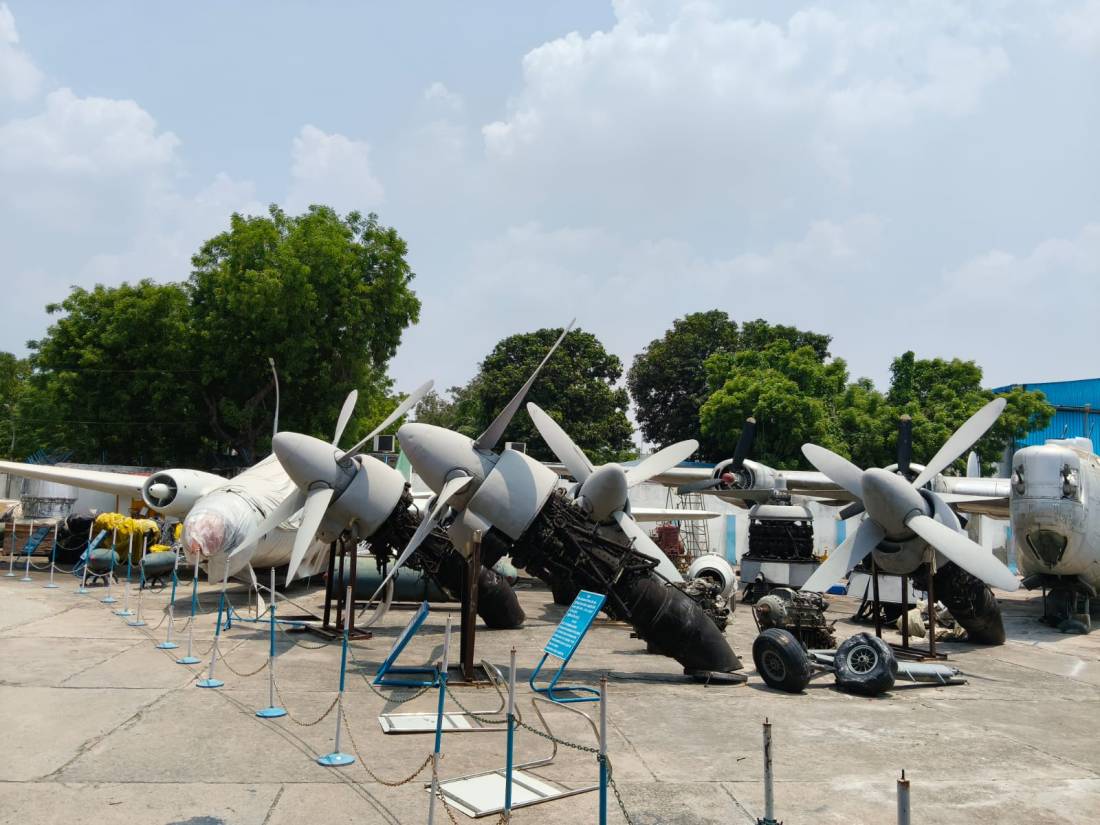
My friend Dr. Shahjahan Avadi, an Air Force veteran and Disaster Management professional has been instrumental in bringing the Air Force Museum into the heritage-walk calendar of INTACH. While I couldn’t attend his previous walks, I did manage to attend the one he organized this Sunday. The Air Force museum contrary to my expectation, had … Continue reading Indian Air Force Museum, Palam

The Forgotten ‘Battle for Italy’ and Naples in 1944

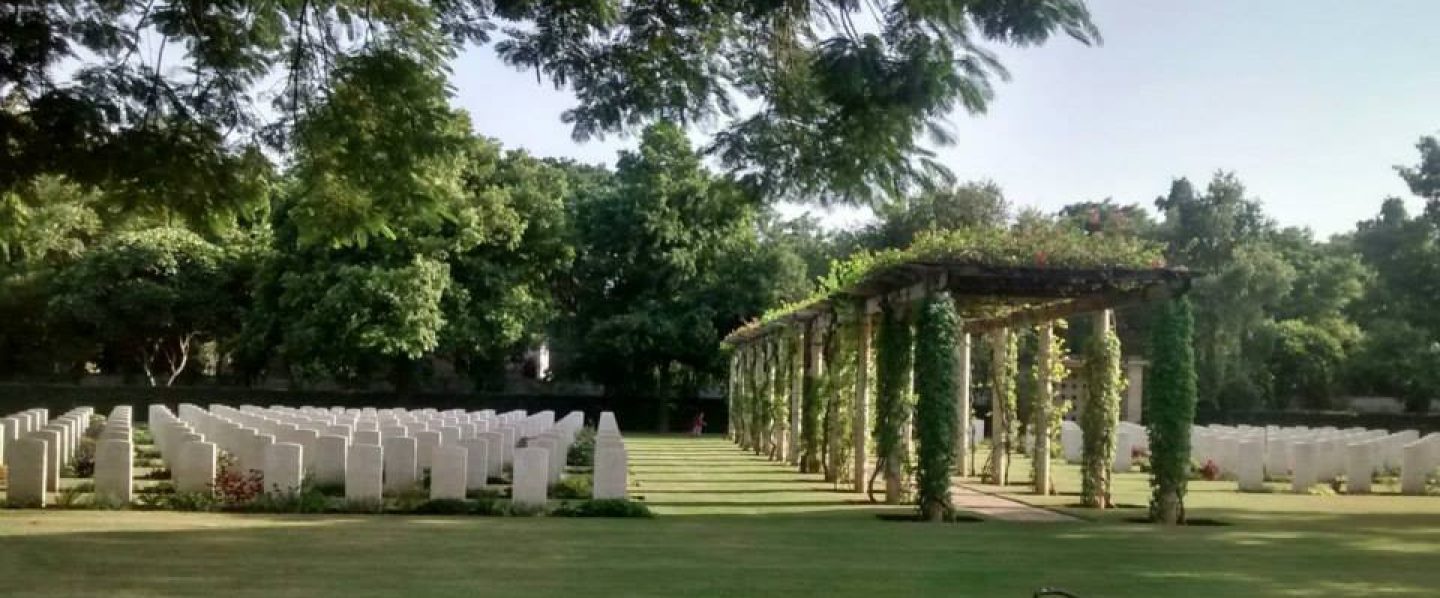
In popular imagination, the Allied invasion of continental Europe is dominated by the Normandy Landings. The opening amphibious landing scene in Spielberg’s ‘Saving Private Ryan’ and the Cold War narrative of the joint Anglo-American thrust to free Europe and clear the road to Berlin have both contributed to this narrative. The truth was that months … Continue reading The Forgotten ‘Battle for Italy’ and Naples in 1944

GI Slang

Military life inflamed their ironic sensibilities and their skepticism. A single crude acronym that captured the soldier's lowered expectations-SNAFU, for "situation normal, all fucked up"-had expanded into a vocabulary of GI cynicism: SUSFU (situation unchanged, still fucked up); SAFU (self-adjusting fuck-up); TARFU (things are really fucked up); FUMTU (fucked up more than usual); JANFU (joint … Continue reading GI Slang

The 1979 Islamic Revolution

I spent the Eid weekend, revisiting the Islamic Revolution of Iran. Scott Anderson’s ‘King of Kings: The Fall of the Shah and the Revolution That Forged Modern Iran’ and Ryszard Kapuscinski’s ‘Shah of Shahs’ (which I’m revisting after 15 years) are good primers about the revolution. Over the last two years, seeing the protests of … Continue reading The 1979 Islamic Revolution

Laurentian Feminism

To him, Plath was ‘Laurentian’, not ‘women’s lib’ – that is, a disciple of D. H. Lawrence’s sexually liberated creative philosophy, not a campaigner for women’s rights. This line in Heather Clarke’s highly engrossing biography of Sylvia Plath, Red Comet: The Short Life and Blazing Art of Sylvia Plath, stumped me. I had no clue … Continue reading Laurentian Feminism