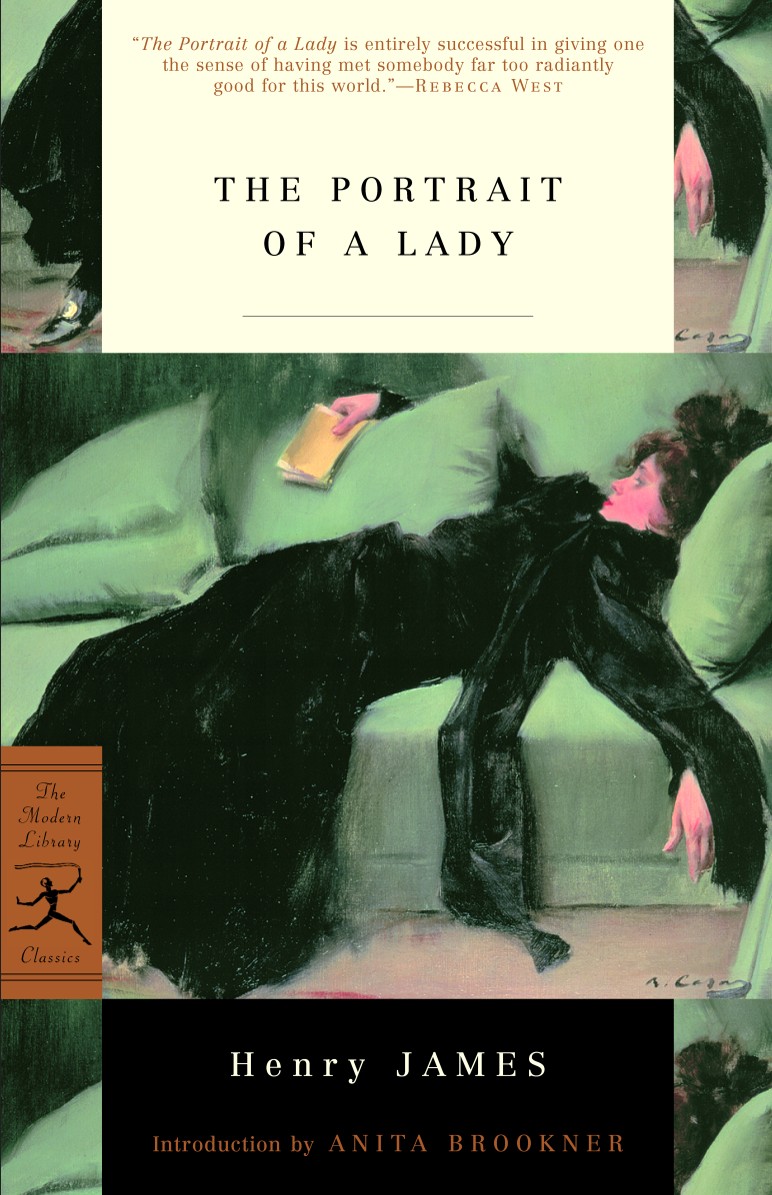
In 1881, America was a relatively young country while Europe was associated with grandeur, heritage and an aristocratic culture shaped by centuries of history. The psychological complexity of America’s engagement with this was the heart of Henry James’ fiction. He was the brother of the equally famous psychologist William James and the two of them are often compared by witticisms such as: “Henry wrote novels like a psychologist; William wrote psychology like a novelist” or “Read William James for the style, and Henry James for the psychology.”
I tackled James’ acclaimed ‘The Portrait of a Lady’ and was thoroughly immersed for a week in his unforgettable character – Isabelle Archer. In the beginning, we have Isabelle Archer, fresh from America visiting Britain and bringing with her the zest of youth. She questions every norm, has strong opinions and boldly refuses several eligible suitors vying for her. With a windfall inheritance, she ends up choosing her own partner only to end up miserable and timid. Despite being a heavy text to engage with, this psychological portrait of womanhood examined through the experience of a clash two cultures was a marvel.
The 1996 adaptation of the book by Jane Campion had Nicole Kidman essaying the role of Archer. Her confusion when confronted by three suitors vying for her hand was given a psycho-sexual treatment by Campion, something which James only implicitly touched upon.
I also enjoyed this episode of ‘Great American Novel’ in which the book was discussed.
Sample these lines:
‘A great many people give me the impression of never having felt anything very much,’ Isabel answered.
It’s very true; there are more iron pots, I think, than porcelain ones. But you may depend upon it that every one has something; even the hardest iron pots have a little bruise, a little hole, somewhere. I flatter myself that I am rather stout porcelain; but if I must tell you the truth I have been chipped and cracked! I do very well for service yet, because I have been cleverly mended; and I try to remain in the cupboard the quiet, dusky cupboard, where there is an odour of stale spices – as much as I can. But when I have to come out, and into a strong light, then, my dear, I am a horror!’
Discover more from Manish Mohandas
Subscribe to get the latest posts sent to your email.

One thought on “Isabel Archer in ‘The Portrait of a Lady’”