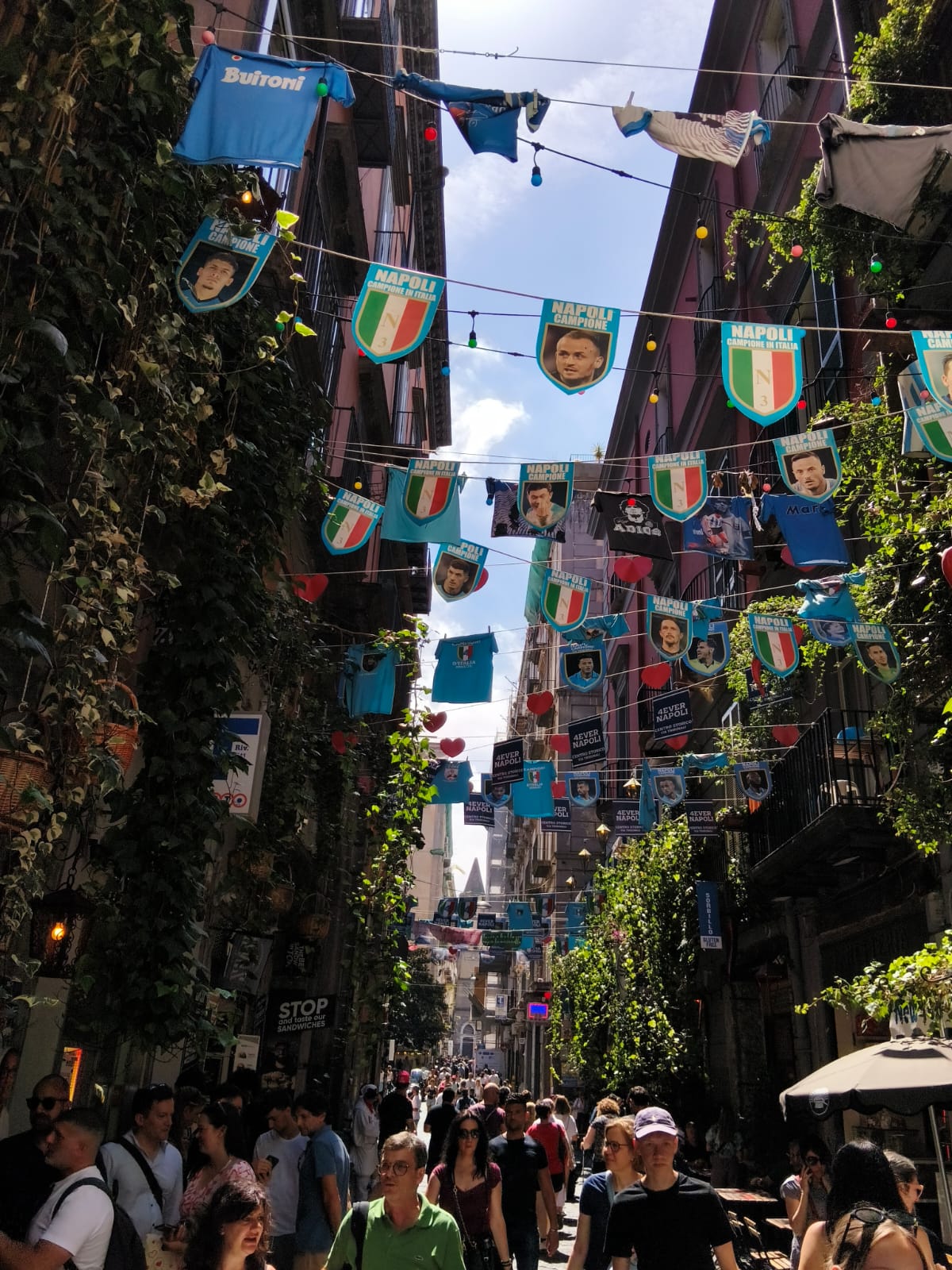
The 70-minute train journey from Rome provided some impressive views of the Apennines. (Few of us realize that Italy is a mountainous country with the Alps dominating the north and the Apennines running through the axis.) The region was also the area where some of the most ferocious campaigns during WWII were fought including Monte Cassino where the abbey was established by St. Benedict himself.
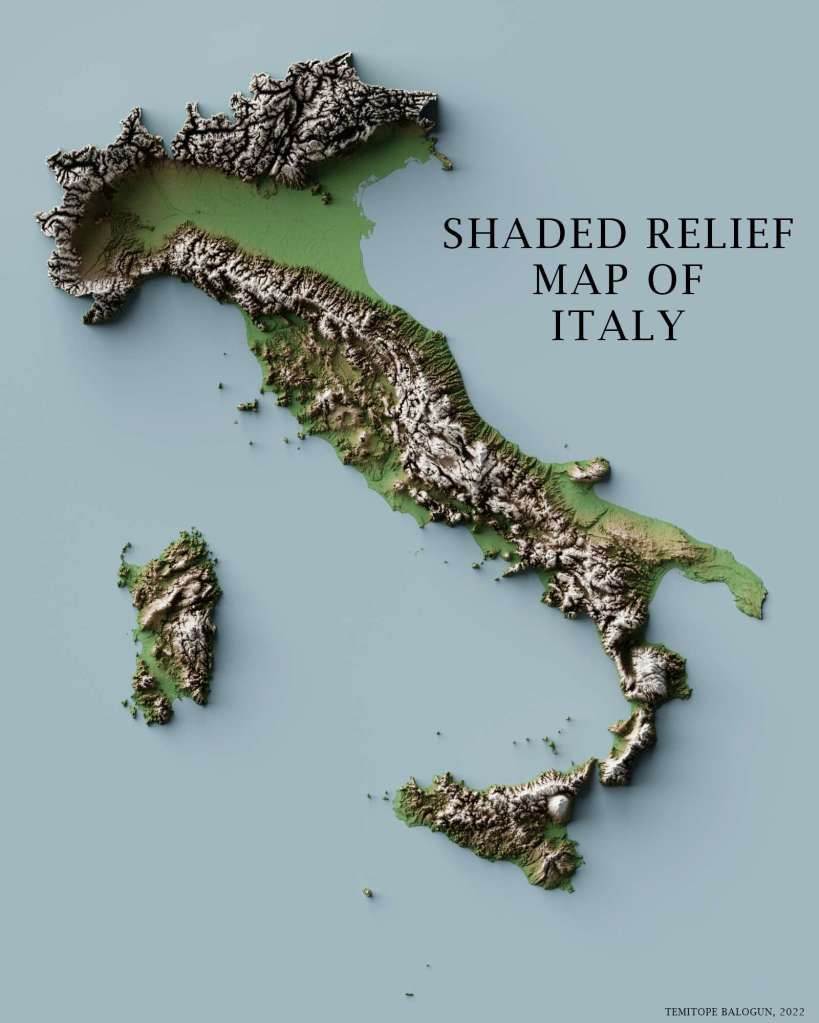
Naples today should undoubtedly rank as one of the most impressive cities in the world to visit. Its probably the only city in Europe that doesn’t feel European. The city was for a long time under Spain and later when the Bourbons took over, the city became the capital of the Kingdom of Two Sicilies. Nelson, the hero of Trafalgar, also ended up in the city and had a controversial stint there.
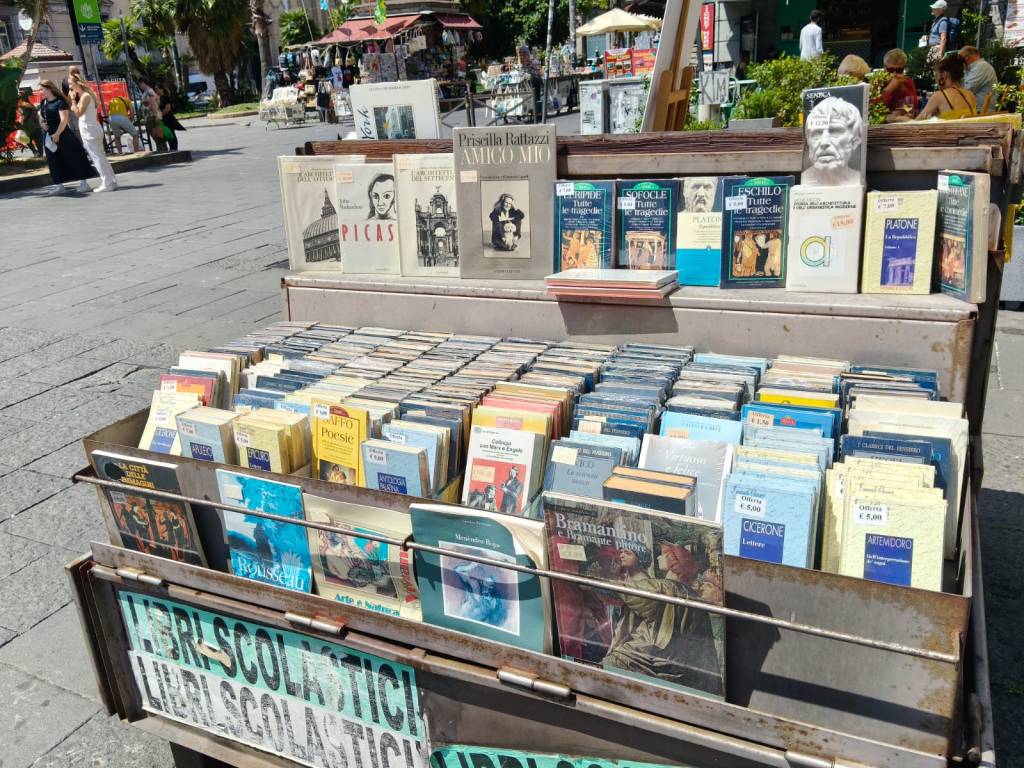
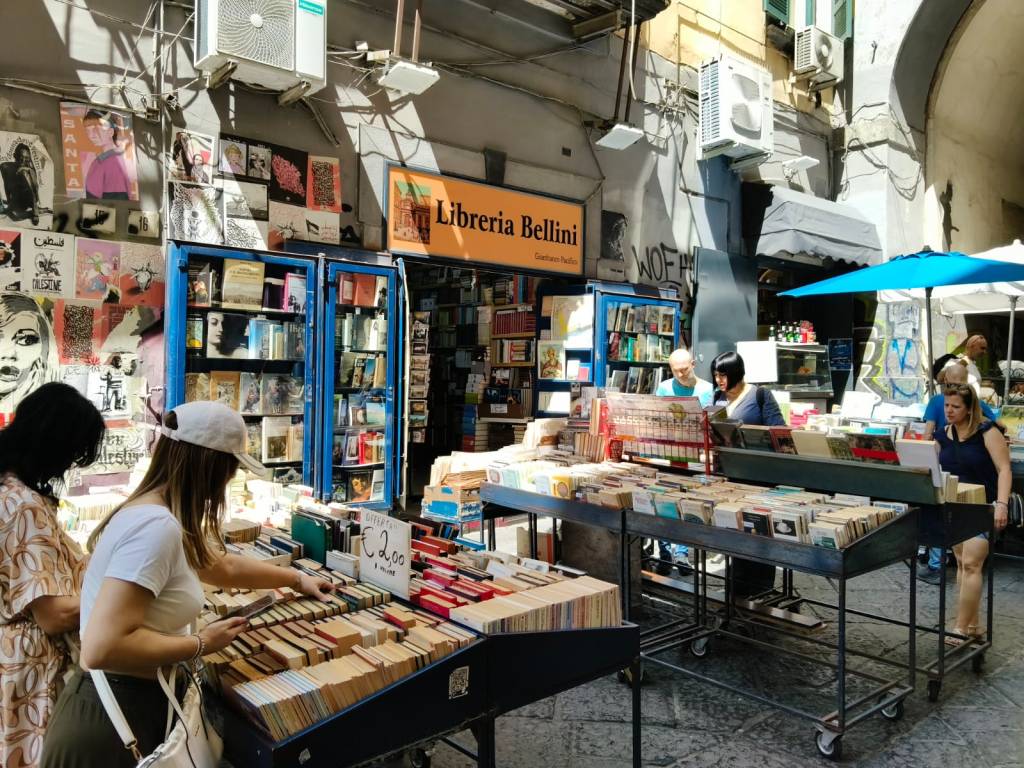
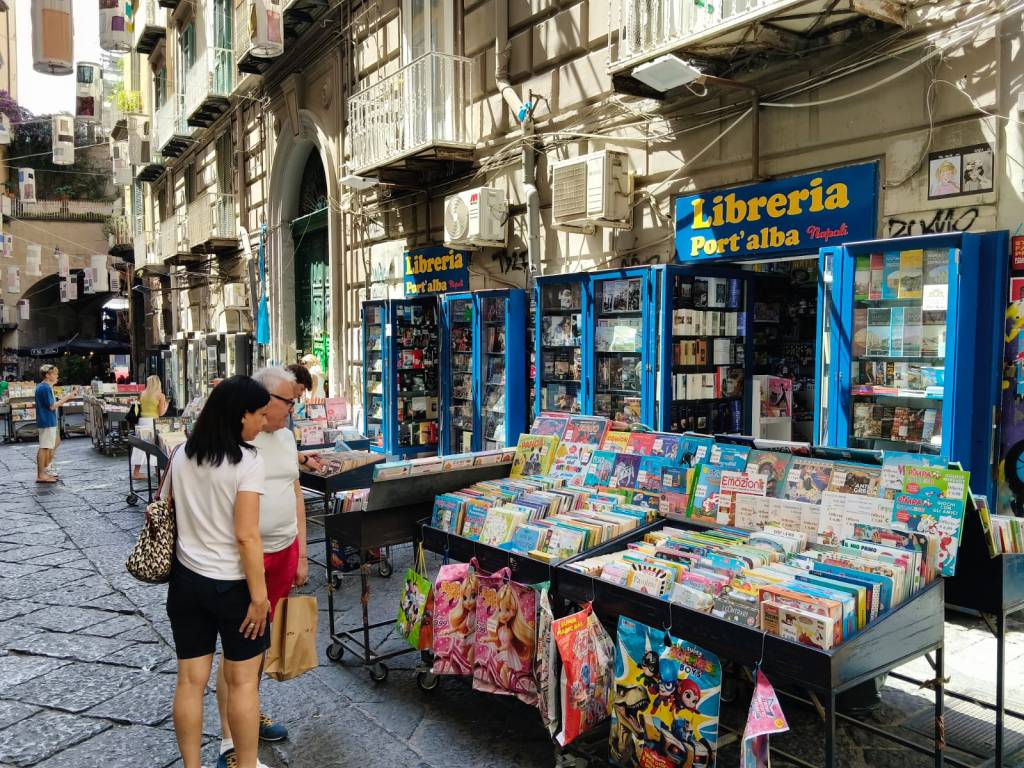
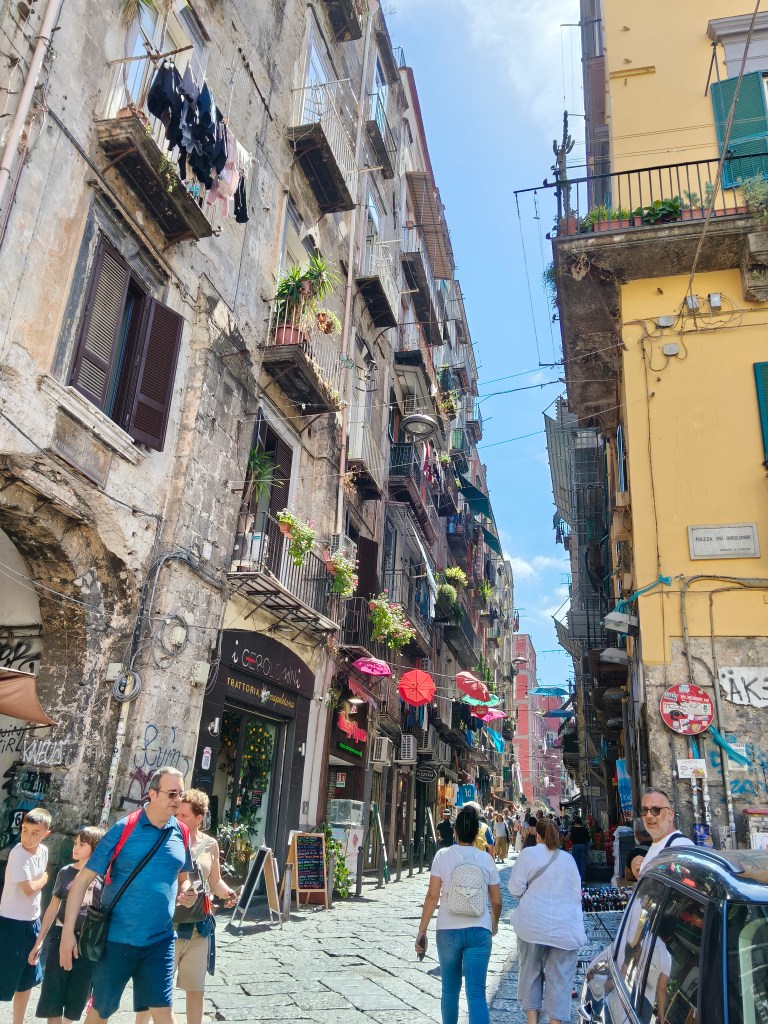
I was pleased to see that the city which gave the world Elena Ferrante, was serious about books. The markets that I strolled through had an impressive array of bookstores. Naples must also be the city with some of the best graffiti all over. A typical sight is that of clothes hanging outside windows in almost every street.
Our flat mate in the Airbnb was a Brazilian book publisher based out of Rio. After the initial pleasantries she almost swooned in delight when I mouthed the words: ‘Clarice Lispector’. She never expected her Indian flatmate to be familiar with Lispector.
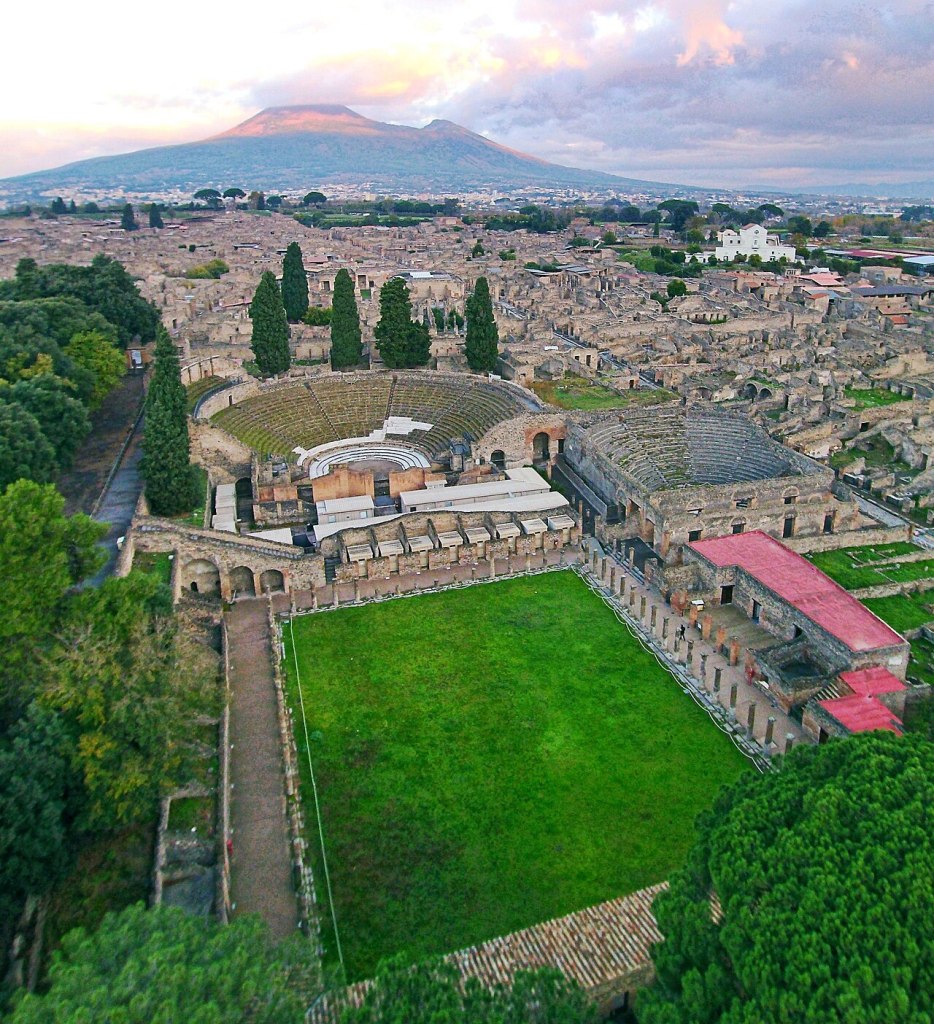
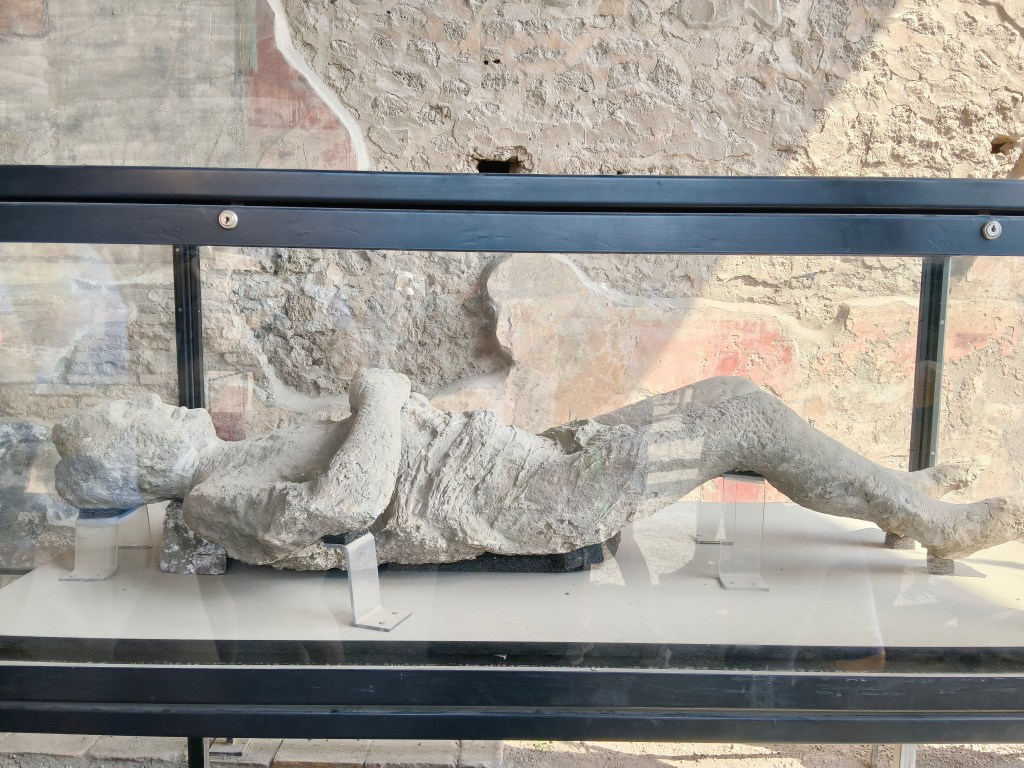
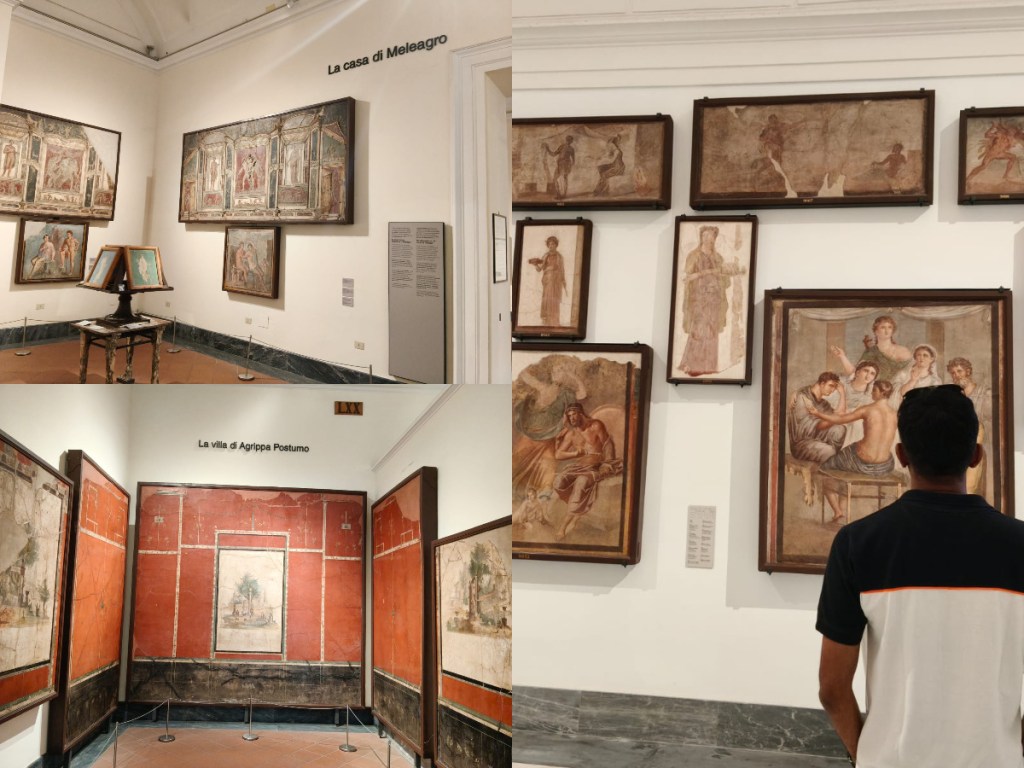
Mount Vesuvius looms over the city. So on the second day, we made our way to Pompei by a train called Circumvesuviana. The ruins were as we expected – spectacular and ‘fun’. Goethe had summarized it well when he said: “Many disasters have occurred in the world, but few have afforded so much pleasure to posterity.” The archeological park in Pompei has some of the wall frescos still in-situ. But the bulk of it is now at the Naples Museum. The museum Is a must-visit and apart from the Pompei frescos, it also houses the Alexander mosaic from Pompei and a colossal marble statue of Hercules. Pompei is perhaps the best reminder of how fleeting and fragile life can be.
Positano in the Amalfi coast was too touristy. I was taken aback by the local ceramic industry. Every nook and corner had ceramic shops with catchy designs, lemons and images of the Medusa! Apart from the dramatic cliffs and the stunning views, the place’s other claim to fame is its alleged link to the Odyssey. Many believe that it was somewhere in this region that Odysseus faced the sirens who almost seduced him to doom. One of the sirens was Parthenope and legend has it that her body washed ashore where Naples now stands. The early Greek settlement founded there around 800 B.C. was called Parthenope in her honor. Later, as the settlement expanded, a new city was established nearby and named Neapolis. Nolan’s movie coming out in a month’s time makes June a good time to reread the Odyssey!
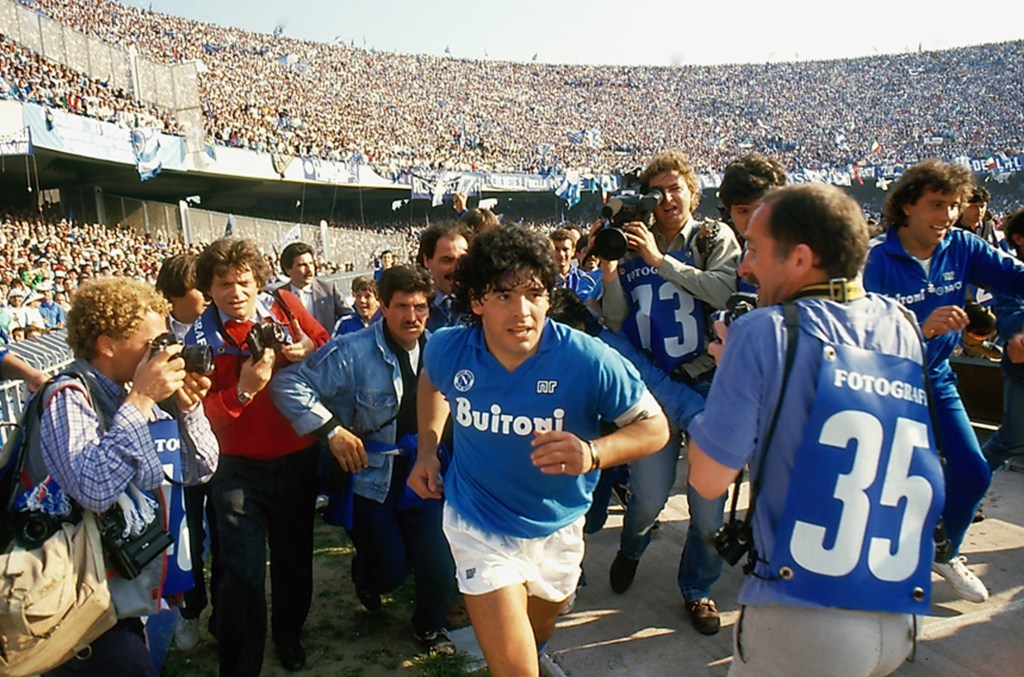
In Naples, a horn-shaped red coloured amulet called a cornicello is probably the most commonly seen object. It’s believed to ward off bad luck, envy, and the “evil eye”. I saw keychains, necklaces, magnets, toys and t-shirts sporting it. The only other image that comes close to it in the streets would be of the genius from Argentina – Diego Maradona. He led them to their first Serie A title in 1987 and another in 1990. He also helped them win the Italian Cup and the UEFA Cup. For an impoverished city competing with the richer leagues of the north, this was nothing but a miracle. And the architect of that is still revered as a patron saint.
Finally, while being thrilled about the city’s vibes, I also kept thinking of Roberto Saviano. When his book Gomorrah was published, it brought the spotlight on Naples underbelly – the mafia and its connections with global supply chains, finance, drugs, fashion, waste management etc. Ever since the book was published in 2005 Saviano has been living under police protection. The book also inspired the highly acclaimed series by the same name.
Discover more from Manish Mohandas
Subscribe to get the latest posts sent to your email.
