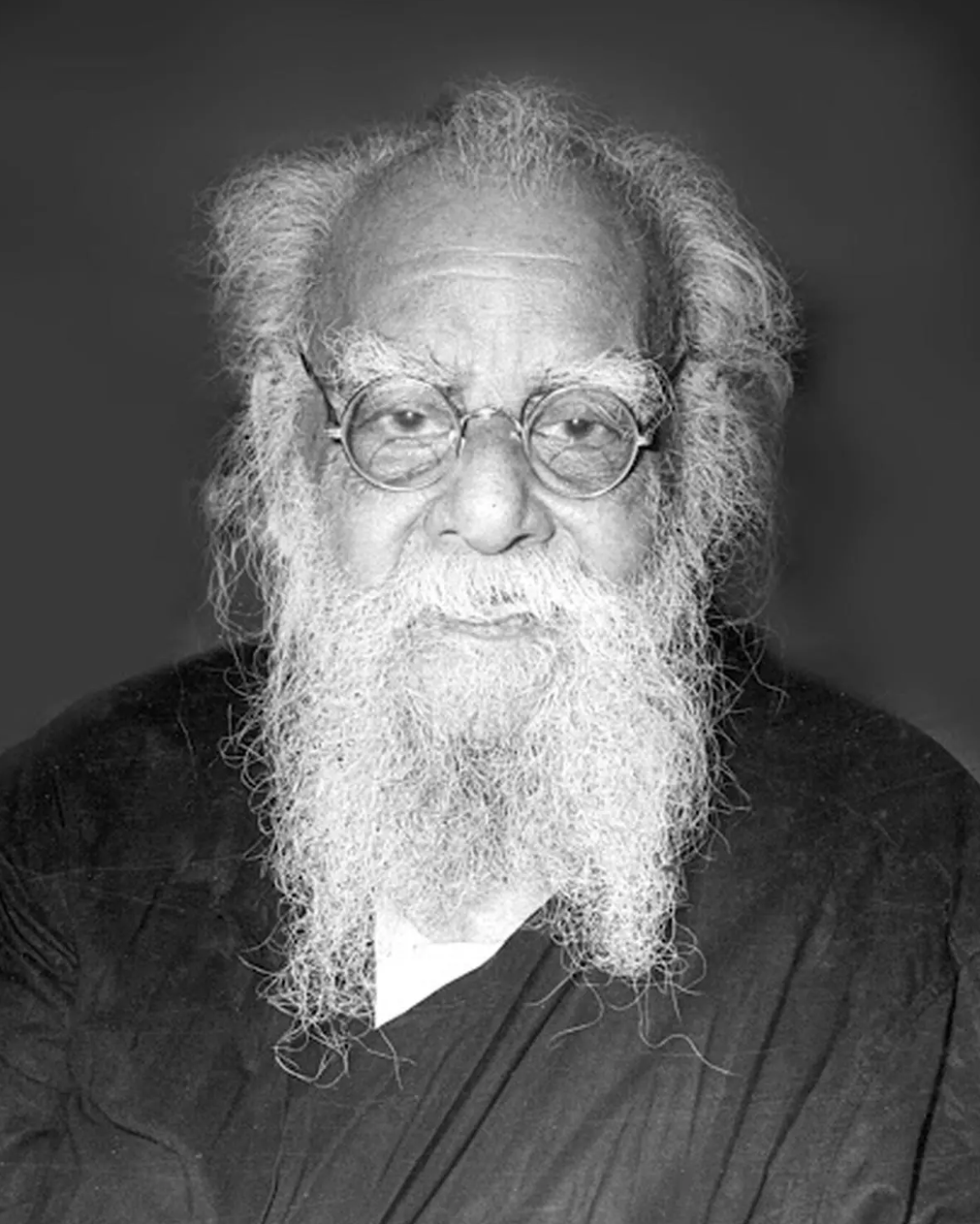
Periyar was an iconoclast in every sense. The anti-Hindi agitations for which Tamil Nadu is famous even today, the anti-Brahmin polemic in its politics, the quest for caste equality, women’s emancipation and rationality in public discourse are just a few aspects of our sociopolitical life whose roots can be traced, at least in part, to Periyar’s politics.
I breezed through his short biography written by Bala Jayaraman. Like his contemporary Rajaji, Periyar too began his political career as an urban local body administrator, serving as chairman of the Erode Municipality. The time he spent in Kashi as a young adult brought him face to face with the horrors of the caste system. He subsequently joined the Congress, only to become disillusioned with its reluctance to confront caste inequalities. The Congress was increasingly seen by non-Brahmin political movements as an institution dominated by upper-caste interests.
In 1925, he broke away from the Congress and founded the Self-Respect Movement only to later gravitate towards the Justice Party, which sought to secure the rights of non-Brahmins in the Madras Presidency. Over time, his politics acquired an increasingly strident anti-Brahmin and anti-Hindi character, alongside demands for a separate Dravidian homeland. The Hindu epics became Periyar’s targets, and Rama was often lampooned in his writings. Karunanidhi, decades later, asking aloud whether Rama was an engineer to have constructed the Ram Setu, was merely continuing the tradition of religious iconoclasm that Periyar had set aflame in Tamil Nadu.
It was only now that I got to know that Periyar was also a key player in the Vaikom Satyagraha which Gandhi too lent support to.
The subsequent Dravidian leaders, beginning with Annadurai, Karunanidhi and MGR, have all acknowledged, in varying degrees, their debt to Periyar’s ideology. I don’t know enough about Tamil Nadu politics, nor have I read enough about the Dravidian movement, to arrive at a balanced assessment of his contributions. (There is a Cambridge Companion to Periyar which I should thumb through someday).
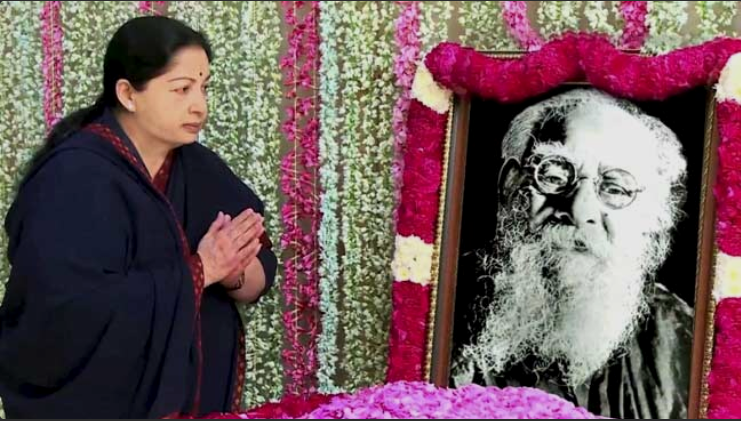
His anti-Brahminism was something I never found palatable. When entire communities are targeted, whether for their privileges or for their historical wrongs, rarely does much good emerge. But having said that, the decades of Dravidian rule in Tamil Nadu have empowered millions and helped make the state a formidable voice against the centralization of power in India’s federal system.
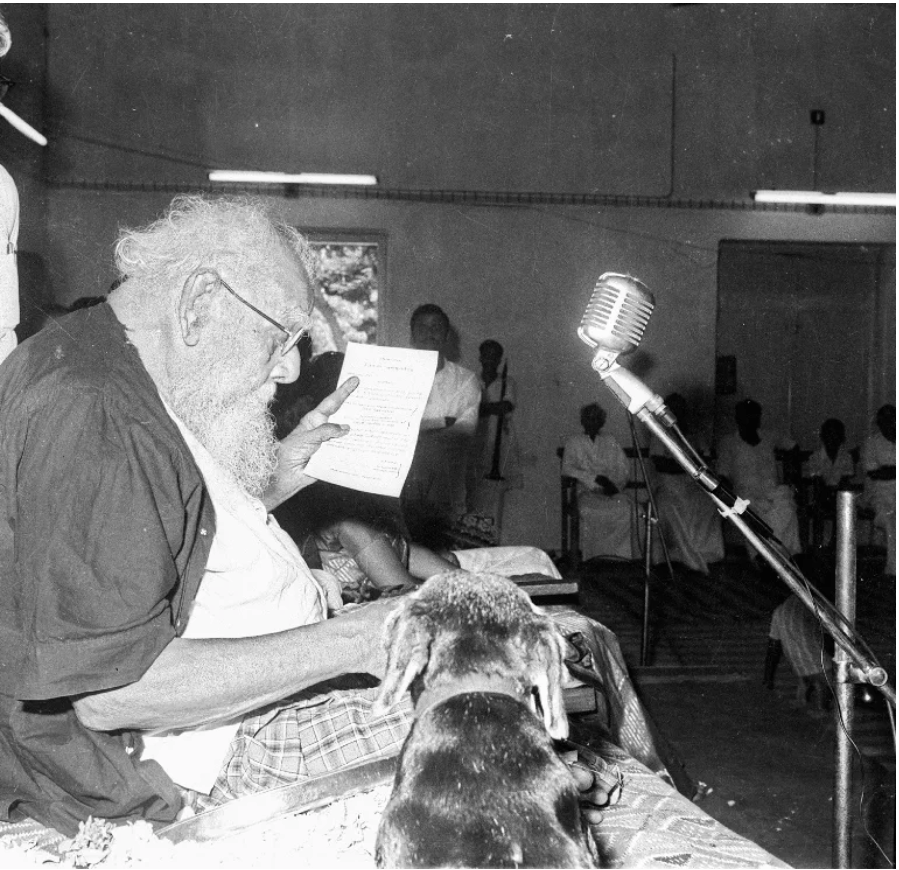
A typical Periyar speech on the Constitution:
Let the government make a law that there will be no “Brahmin” caste and that, even if there is, they won’t be allowed to live as Brahmins. Of the six who made the Constitution, four are Brahmin; most of the unelected members of the Constituent Assembly are from the Congress Party. This law protects Hinduism. Hinduism protects caste; its whole point is to protect caste. There is no easy way for an annihilator of caste to modify it; he has no chance. (Read Article 368.) So what can we do, those of us who want to annihilate caste, those of us who want an independent Dravidian nation, those of us who want to protect Tamils from exploitation? What way do we have to show our opposition other than setting fire to it?
And the Karunanidhi’s speech which I earlier alluded to: (ChatGPT translation)
கருணாநிதியின் பேச்சு: திமுகவை அழிக்கும் குள்ளநரிகளில் சில கூறுகின்றன. 17 லட்சம் ஆண்டுகளுக்கு முன்னர் வாழ்ந்த ஒரு மனிதன், அவன் பெயர் ராமனாம். அவன் கட்டிய பாலம் ராமர் பாலமாம். அந்தப் பாலத்தின் மீது யாரும் கை வைக்கக் கூடாது என்கிறார்கள். அந்த ராமன் எந்த பொறியியல் கல்லூரிக்கு சென்று படித்துவிட்டு வந்து இந்த பாலத்தைக் கட்டினான்? அதற்கு ஆதாரம் இருக்கிறதா?. இவ்வாறு கருணாநிதி கேட்டார்.
Some of the cunning foxes who seek to destroy the DMK are saying that 1.7 million years ago, there lived a man named Rama. Apparently, he built a bridge, which they call Ram Setu. They insist that nobody should lay a hand on that bridge.
Which engineering college did this Rama attend before coming back and building this bridge? Is there any evidence to support this?”
Discover more from Manish Mohandas
Subscribe to get the latest posts sent to your email.
