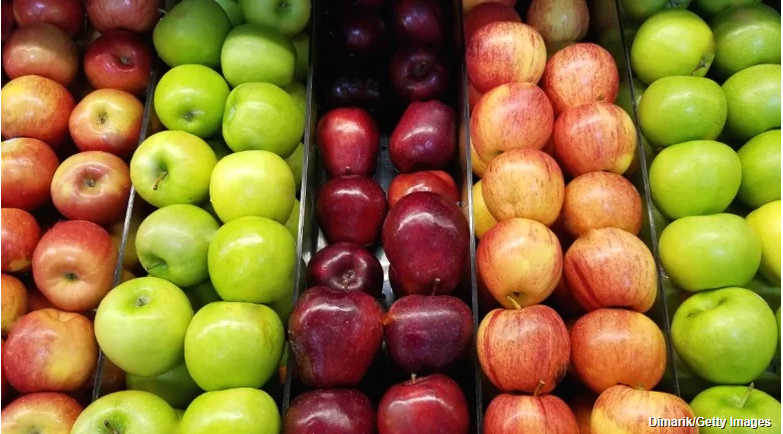
I was browsing through Michael Pollan’s ‘The Botany of Desire: A Plant’s-Eye View of the World’ and the first chapter was on the Apple and its introduction to the New World. The apple originated in Central Asia, somewhere in present-day Kazakhstan. In fact, its capital Almaty owes it very name to the fruit – Alma-Ata means “father of the apple”.
Apple trees have an unusual characteristic: if you plant the seed of an apple, the new tree will produce apples that are different from the original fruit. They may differ in size, colour and taste, as every apple seed contains a unique combination of genes from two parent trees. This genetic diversity is one of the reasons why thousands of apple varieties exist across the world. To preserve a particular variety, farmers use grafting. Instead of planting a seed, they take a branch from a tree that produces desirable apples and attach it to the roots of another apple tree. The branch grows and produces the same variety of apples as the original.
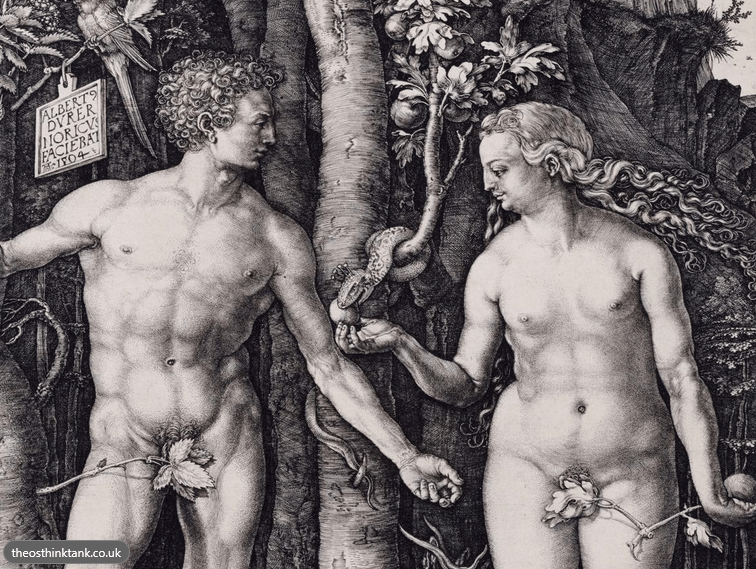
From Central Asia, the fruit travelled through the Silk Roads to Persia and subsequently Europe. While the fruit is often associated with the Original Sin, Pollan reminds us that the Bible infact makes no reference to the apple. Despite this, the apple became inextricably linked to the image of Eden and a lot of this had to do with the art of Durer, Cranach and others.
During the Reformation the Protestants were happy to adopt the apple as a ‘good’ fruit. Right from the middle ages, grapes were often associated with the corruption of the Catholic Church.
There was an old tradition in northern Europe linking the grape, which flourished all through Latin Christendom, with the corruptions of the Catholic Church, while casting the apple as the wholesome fruit of Protestantism. Wine figured in the Eucharist; also, the Old Testament warned against the temp-tations of the grape. But the Bible didn’t have a bad word to say about the apple or even the strong drink that could be made from it. Even the most God-fearing Puritan could persuade himself that cider had been given a theological free pass.
The apple orchards were initially driven by the demand for cider. But when temperance took over and alcoholism started to get a bad rap, the marketing whizkids of the age came up with the “An Apple a day keeps the Doctor away” to ensure that the market for their fruit would not get dented.
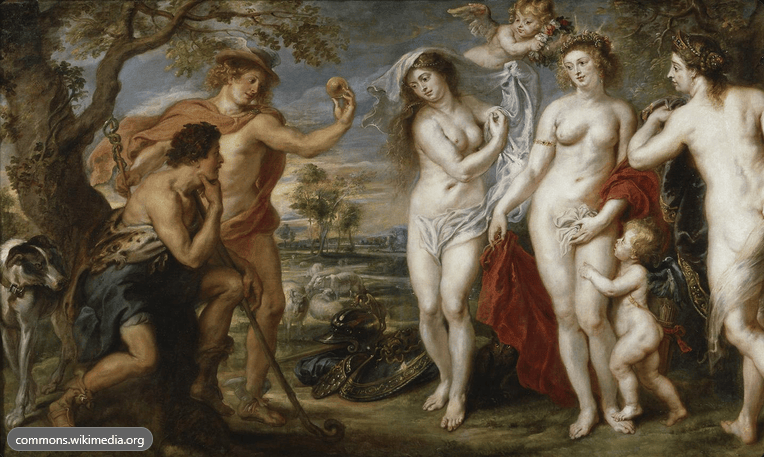
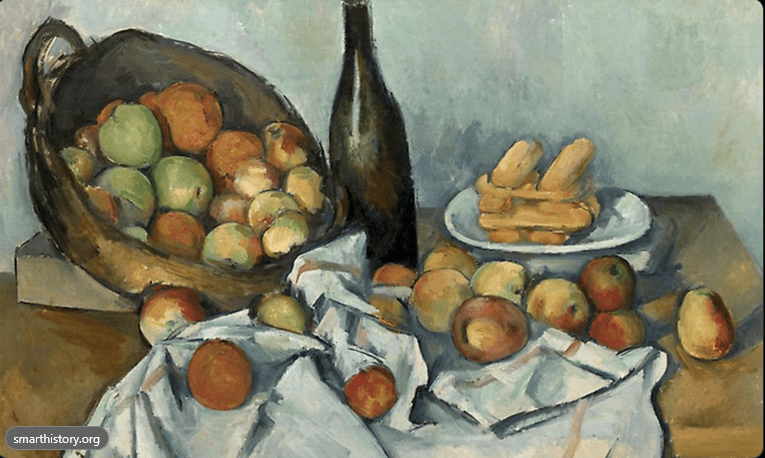
Some Art featuring Apples:
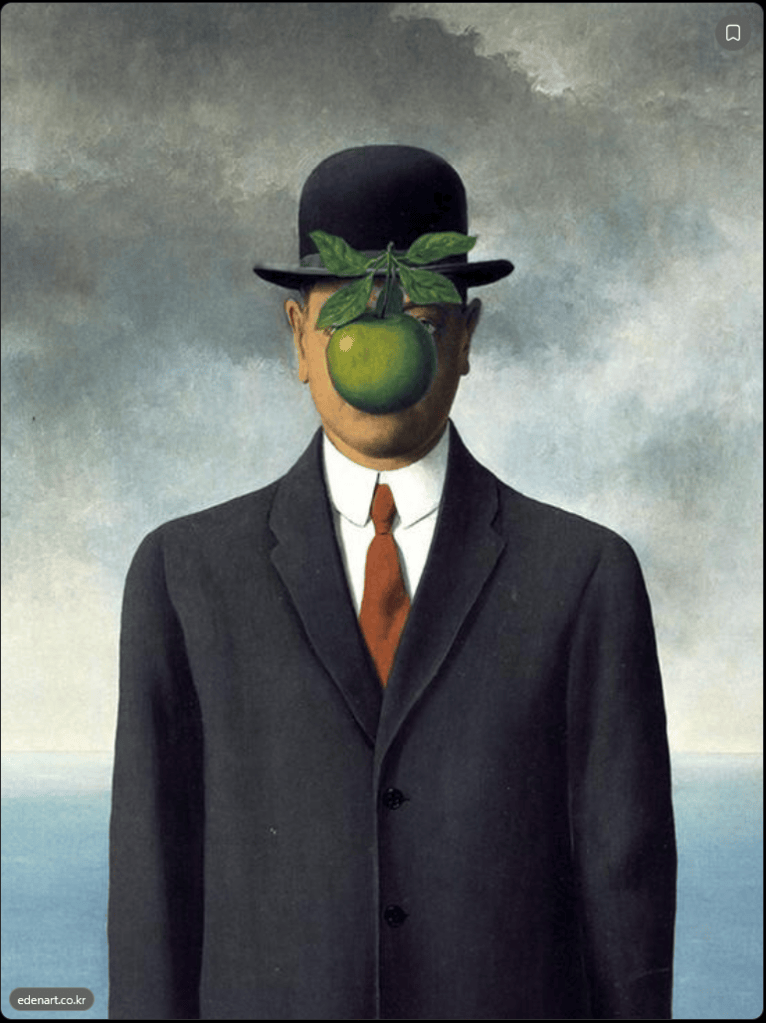
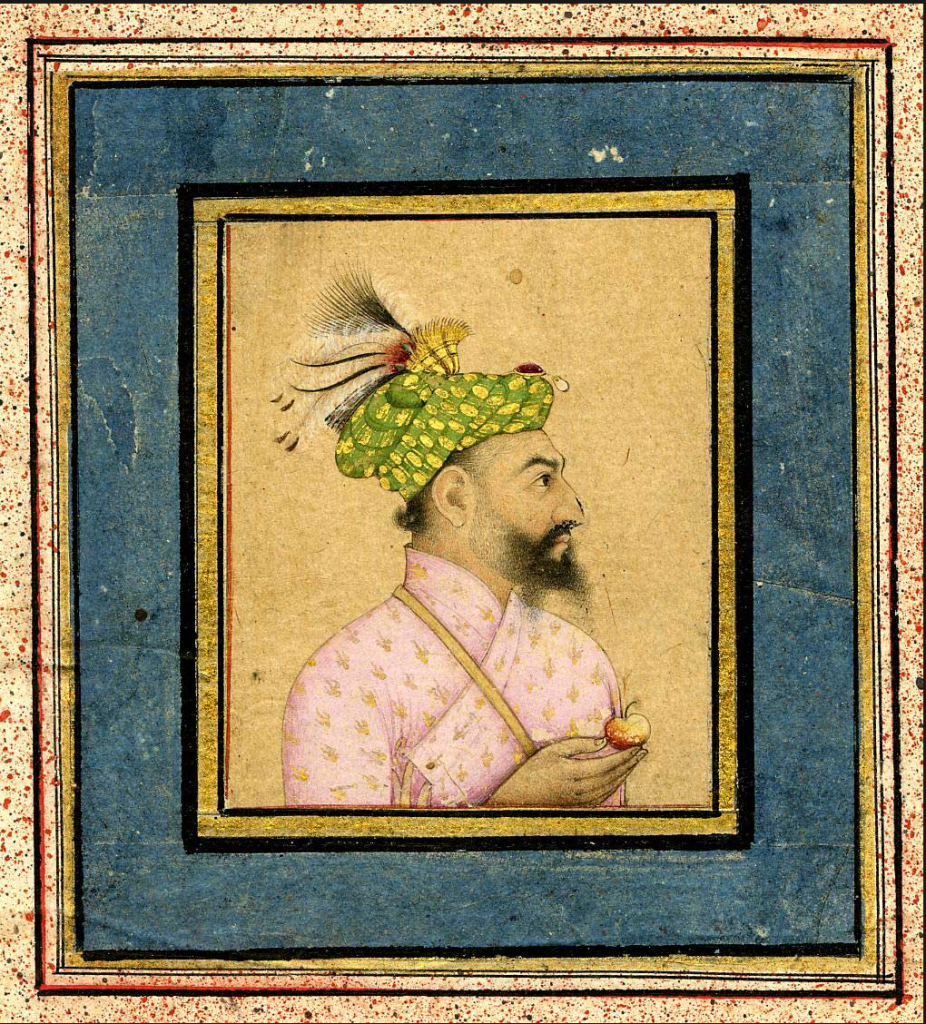
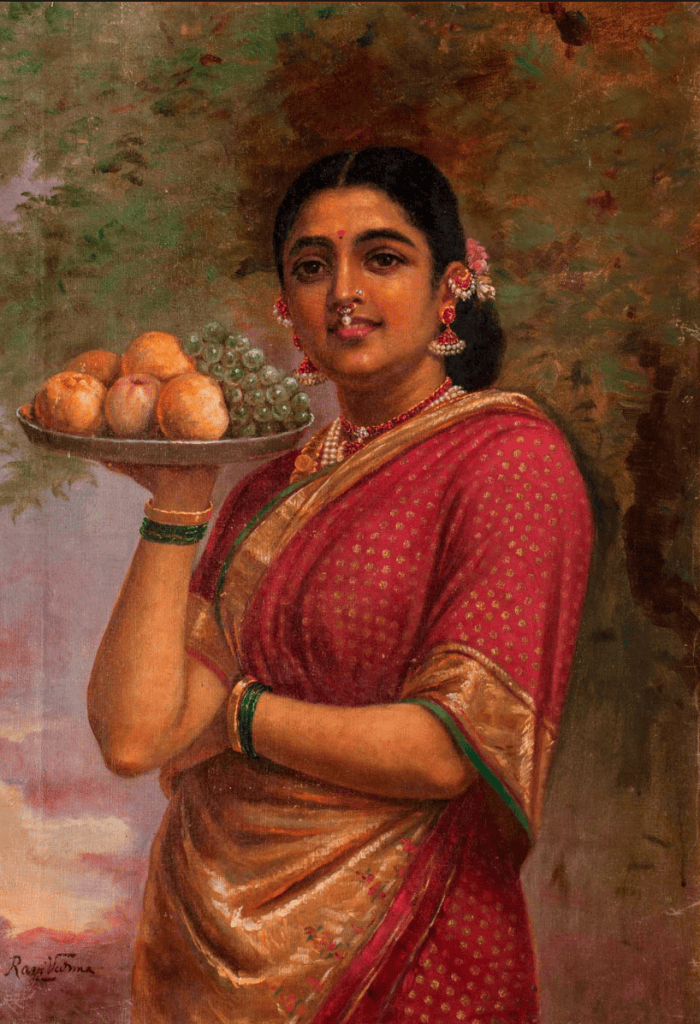
Postscript: Nikolas Vavilov, the storied Russian botanist was one of the first to identify Kazakhistan as the the original home of the apple. Vavilov established one of the world’s earliest and largest seed banks in Leningrad, collecting thousands of plant varieties to preserve their genetic diversity. During the Nazi siege of Leningrad, his colleagues famously protected the institute’s invaluable seed collection, with several dying of hunger rather than eating the seeds entrusted to their care. Vavilov himself had a tragic end. He died in a Gulag thanks to falling out with the monster of the 20th century – Stalin. A botanist who died of starvation, that was Vavilov.
This is a fantastic exploration of the apple in Indian cuisine with a few cultural tid bits strewn in.
Discover more from Manish Mohandas
Subscribe to get the latest posts sent to your email.
