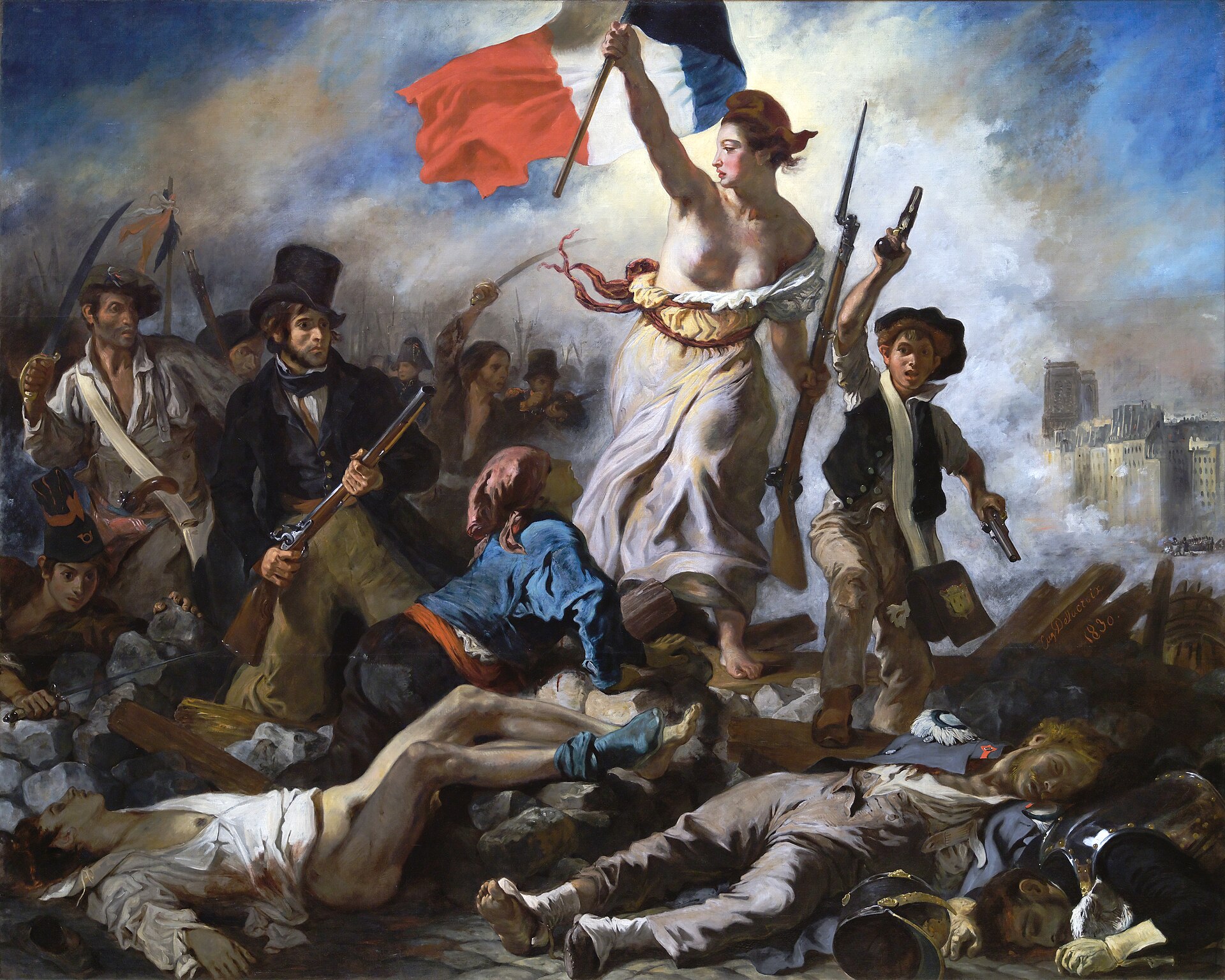
The Brits have always been dismissive of the French Revolution. Edmund Burke in his classic ‘Reflections on the Revolution in France‘ correctly called out the eventual outcome of the whole revolution playing out across the Channel. He, like a prophet, predicted that the anarchy would eventually end in military rule and violence.
In 1989, the bicentenary year of the Revolution, Thatcher dismissed the Revolution’s role as a harbinger of individual liberty and human rights. For the British, the role of the State and democracy were settled through the Magna Carta, the English Civil War and the Glorious Revolution of 1688. Even the American Revolution that preceded the French by a decade achieved its goals without the terror of the Revolution. The gift that she chose for MItterand drove home the point in a not-so-subtle manner – a first edition 1859 copy of Dickens’ ‘A Tale of Two Cities‘.
The book has arguably one of the best opening lines from all of Dickens:
It was the best of times, it was the worst of times, it was the age of wisdom, it was the age of foolishness, it was the epoch of belief, it was the epoch of incredulity, it was the season of Light, it was the season of Darkness, it was the spring of hope, it was the winter of despair, we had everything before us, we had nothing before us, we were all going direct to Heaven, we were all going direct the other way—in short, the period was so far like the present period, that some of its noisiest authorities insisted on its being received, for good or for evil, in the superlative degree of comparison only.
And also one of the moving conclusions that end with the line:
‘It is a far, far better thing that I do, than I have ever done; it is a far, far better rest that I go to than I have ever known.’
From whatever little that I’ve read of 1789, the Revolution was bloody, brutal and senseless. Robespierre, Danton, Marat, the Terror and the eventual rise of Napoleon gave nothing but decades of war and bloodshed across the Continent. Napoleon’s eventual decision to become a military dictator and his use of plebiscites have uncanny similarities with our own present-day totalitarians’ penchant for rigging elections. In 1989, exactly two centuries after the Revolution, the Berlin Wall fell leading to the collapse of the Soviet Union in a few years. For many, it was ’89 that truly brought a close to the French Revolution and helped the world get rid of the last vestige of large-scale despotism.
Dickens’ novel was a delight to read. The fast paced action, the twists and turns and the moving climax also served as Dickens’ commentary on the contrast between violent, turbulent Paris and peaceful, booming London.
Image: Delacroix’s Liberty Leading the People
Discover more from Manish Mohandas
Subscribe to get the latest posts sent to your email.
