Last week, I got to hear Umayalpuram Sivaraman playing the mridangam in Delhi. He turns 91 this year.
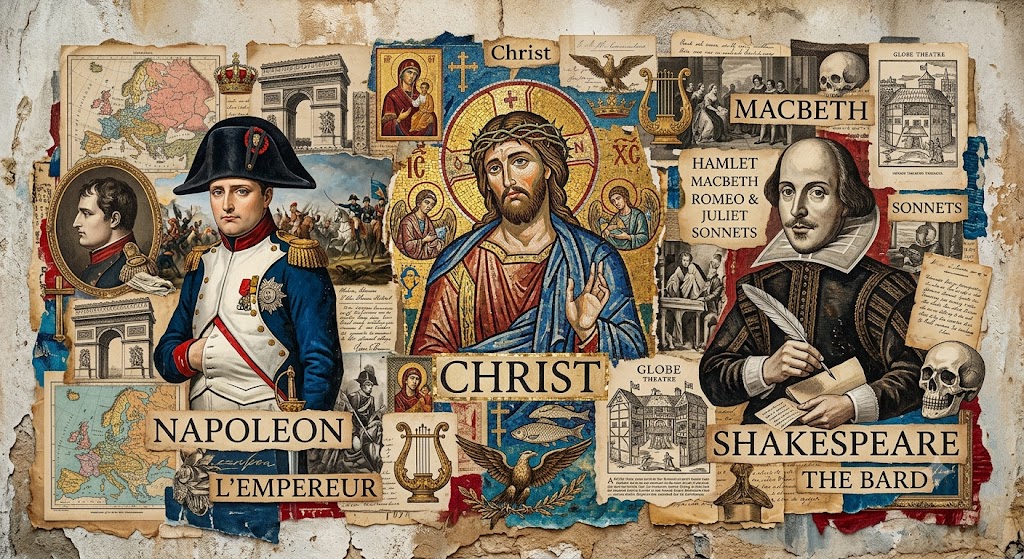
Whenever I see someone in their 90s (doesn’t happen too often with me since I live in India, not Japan), I’m always reminded of the philosopher Bryan Magee’s analysis of centenarians. According to him, when you’re in the presence of someone who’s say close to 100 years old today, you’re also in the presence of someone who was very much around in the 1920s. Now if this person, in the 1920s, had similarly met someone who was 100 years old, he would have been in in touching distance of someone who was very much around in the 1820s. Take this analogy further and you can reach the generation of Christ with just 20 individuals. A number small enough to fill a room. In Magee’s own words (from his work Ultimate Questions):
But now consider the following. There are always some human beings who live to be a hundred. More do so today than ever before, but there have always been some. I have known three quite well, two of them public figures: the politician Emmanuel Shin-well and the musical philanthropist Robert Mayer. (Robert knew Brahms, who was a friend of his family and stayed with them in Mannheim.) When Robert was born there must have been individuals who were then a hundred years old, whom a person could have met and got to know in the same way as I got to know him (or as he got to know Brahms, who died when Robert was seventeen). When those others were born, there must have been yet other such individuals. And so on: one could go further and further back, putting the lives of nameable human beings together, end to end, without any gaps in between. It comes as a shock to realise that the whole of civilisation has occurred within the successive lifetimes of sixty people which is the number of friends I squeeze into my living room when I have a drinks party. Twenty people take us back to Jesus, twenty-one to Julius Caesar. Even a paltry ten take us back before 1066 and the Norman Conquest. As for the Renaissance, it is only half a dozen people away.
When one measures history by a single possible human lifetime one realises that the whole of it has been almost incredibly short. This means that historical change has been almost incredibly fast. Each of those great empires that so imposingly rose, flourished and fell did so during the overlapping lives of
a handful of individuals, usually fewer than half a dozen.
Discover more from Manish Mohandas
Subscribe to get the latest posts sent to your email.
