
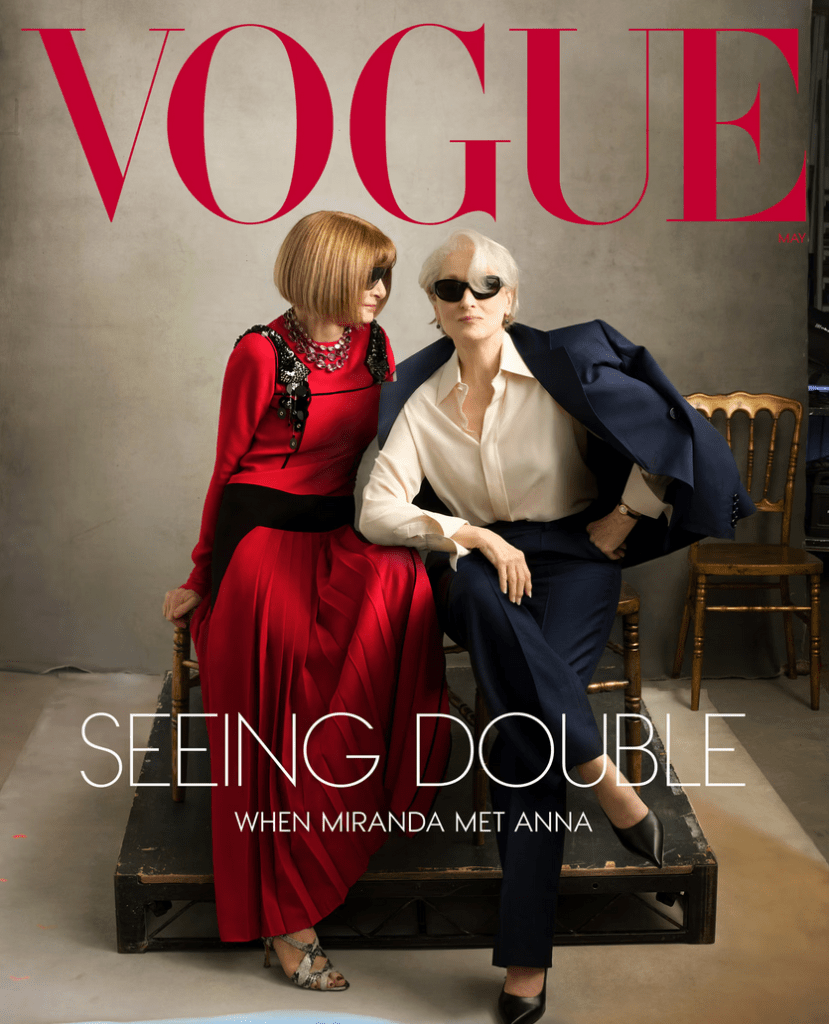
Earlier this month, I saw a few scenes of ‘The Devil Wears Prada’ when my daughters were glued to it. There’s this scene where Miranda Priestley (Meryl Streep) puts Andy Sachs (Anne Hatheway) in her place when she expresses disdain and nonchalance over some high-end luxury garment. In the space of a few minutes, Priestley unpacks the economics, the invisible hands and the cultural machinery behind luxury fashion that eventually shape the ‘ordinary’ clothes we buy and choices which we think we make ‘independently’.
The world of luxury is a strange one. It’s entire premise rests on exclusivity. When a label becomes affordable for the masses, it is no longer ‘luxury’. So the joke is always on the customer who in a vain attempt to signal status and prestige, keeps tabs on the brands, what the peers are buying and continues aspiring to climb up the ladder of desire towards products that appear ‘out of reach’ for most. Luxury allows the conversion of money into social stratification. Most buyers entering the world of luxury begin with watches, jewellery, and handbags. As their collections and wealth grows, they move on to higher more ‘evolved’ goods like contemporary art, yachts, private jets and in atleast one unique case, a private zoo too.
When it comes to luxury products, hedonism triumphs over utility. Their appeal lies not in practical function, but in the pleasure derived from aesthetics, craftsmanship, and contemplation. The ‘sacredness’ of many luxury brands emerges from their founding myths, their symbols and icons, and often their flagship stores, which function almost like temples for devoted followers. When I visited Paris, one of the most perplexing sights was the long snaking queue outside a Louis Vuitton store.
After watching the above clip, I browsed through Don Thompson’s ‘The Curious Economics of Luxury Fashion: Millennials, Influencers and a Pandemic’ to understand this world better. And it was only then that I discovered that Meryl Streep was essaying the character of Anna Wintour, the editor-in-chief of American Vogue, and fashion world diva. Much like what Bernie Ecclestone was to Formula One, Wintour is to fashion.. The second discovery I made was that the Met Gala is managed by her. Officially, the event is the Metropolitan Museum of Art Costume Institute Benefit Ball and happens on the first Monday in May. Every guest is hand picked by her and the whole programme is choreographed under her gaze. When Indians turn up at the Met Gala with all their fancy costumes (outfits/labels?) and the desi press goes beserk, remember that the invitation was all about positioning brands in the billion-strong aspirational Indian market.
There’s more to be said but the topic has already sucked out all my energy!
Discover more from Manish Mohandas
Subscribe to get the latest posts sent to your email.
