In 1971, during the height of the East Pakistan refugee crisis, the philosopher Peter Singer published an essay called Famine, Affluence, and Morality in which the ‘Shallow Pond’ thought experiment - one of philosophy’s most profound thought experiments - made its appearance. On your way to work, you pass a small pond. Children sometimes play … Continue reading The Shallow Pond and the Life You Can Save
Category: Philosophy
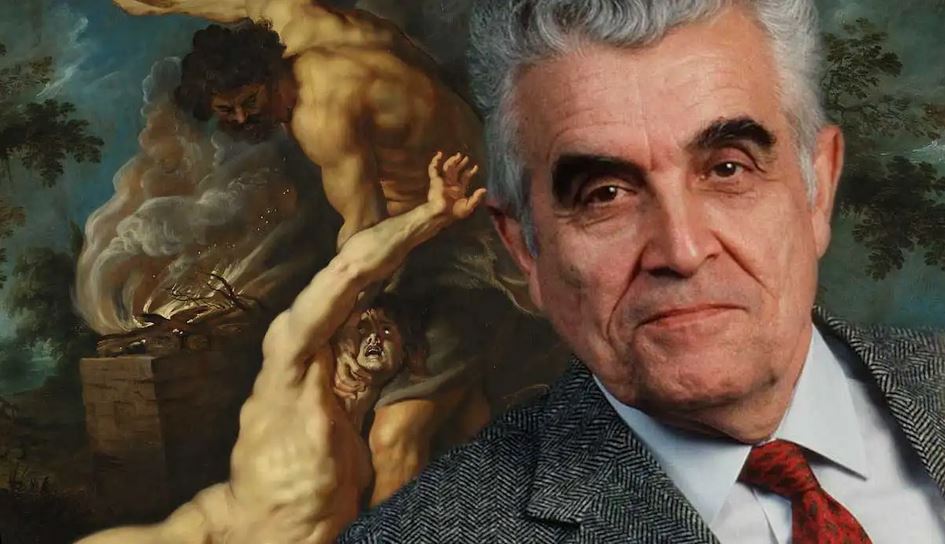
Girard’s Scapegoat Mechanism and the Mahabharata
In the fable of the 'Fox and the Sour Grapes', the disappointed fox walks away at the end. He does this only because he is alone. Had there been a few more foxes salivating over the grapes, walking away would have been tough. According to the French philosopher Rene Girard, everything we desire is driven … Continue reading Girard’s Scapegoat Mechanism and the Mahabharata
Peak, End, and Exit: Daniel Kahneman’s Last Decision
I’ve read a ton of books on psychology over the past five years, and I’ve hardly come across a single work that doesn’t make a reference or has a quote from Daniel Kahneman’s ‘Thinking Fast and Slow’. Kahneman passed away last March at the ripe old age of 90. When we hear about the passing … Continue reading Peak, End, and Exit: Daniel Kahneman’s Last Decision
Agnes Callard and the Socratic Life
Socrates was known for engaging people in conversation and, through a series of probing follow-up questions, exposing flaws in their reasoning. Using what is now called Socratic questioning, he challenged their assumptions by prompting them to clarify their beliefs, examine their evidence, and explore logical consequences. This often led them to recognize contradictions in their … Continue reading Agnes Callard and the Socratic Life
Eliot’s Middlemarch and ChatGPT
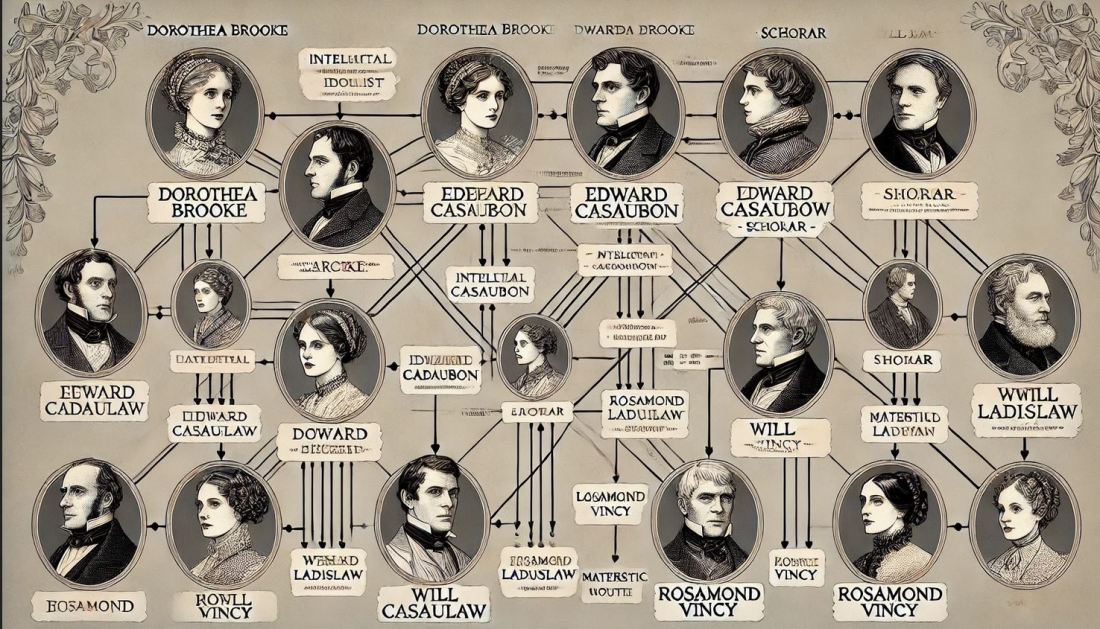
The Kindle is great to read huge tomes. The ‘minutes remaining’ indicator for each chapter provides a reference point for the time needed to finish a book. Nothing like it to make slow and steady progress with the classics. I read Eliot’s ‘Middlemarch’ over the last two months with no trouble with motivation. Eliot’s philosophical … Continue reading Eliot’s Middlemarch and ChatGPT
On Henri Bergson
At the height of his fame, Henri Bergson, was not just France’s leading philosopher but also arguably the most popular public intellectual of his age. His lectures were jam-packed and the audience cut across all classes and gender. Bergson, is most known for his concept of time which he called Durée. For Bergson, the qualitative … Continue reading On Henri Bergson
Spinoza’s God
The most dramatic moment in the history of philosophy must be Socrates being forced to drink hemlock. If one is asked to pick another moment that could rank high on drama, my submission would be Spinoza’s excommunication in 1656 by the Jewish community of Amsterdam. Spinoza’s parents landed up in the Netherlands after fleeing Spain … Continue reading Spinoza’s God
On Simone Weil
In the early years of my career in development, one of the raging debates was about the glory and ethical principle of working in the ‘field’ against joining organizations that paid lip service to development. Looking back, all of it appears so juvenile; as if development was only about working in rural, remote settings and … Continue reading On Simone Weil
Parfit
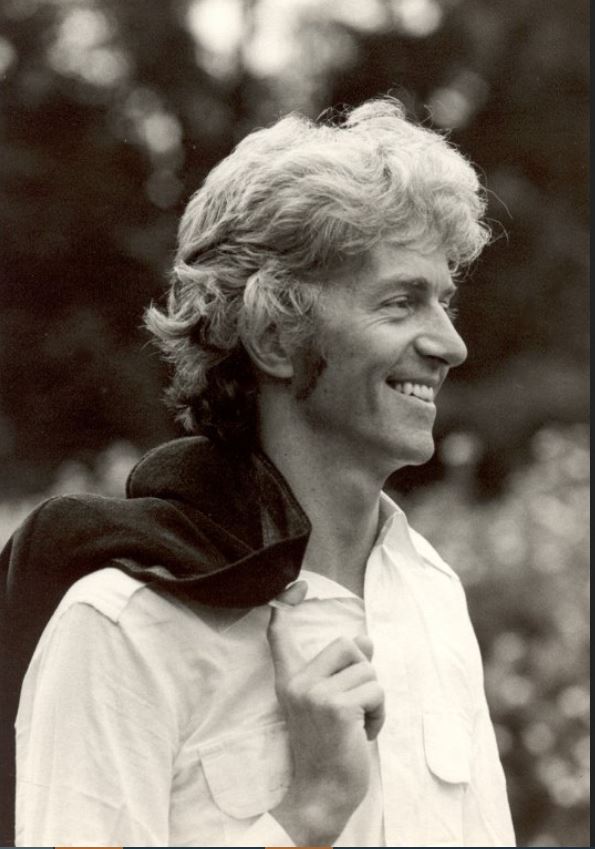
Time you enjoy wasting is not wasted time - Bertrand Russell Russel’s quote is something that I often think about each time I spend time reading stuff that I barely understand and more importantly that is of no practical use. When Dave Edmonds biography of the philosopher Derek Parfit started getting rave reviews, I decided … Continue reading Parfit
Butterfly connections
Lepidopterology. What a beautiful word. In case you don't know, it refers to the study of butterflies. Earlier today, I chanced upon the philosopher Nigel Warburton’s piece on the aesthetic case for butterfly preservation – a quirky short piece that got me thinking of the most famous lepidopterologist of all time – Nabokov. I began … Continue reading Butterfly connections