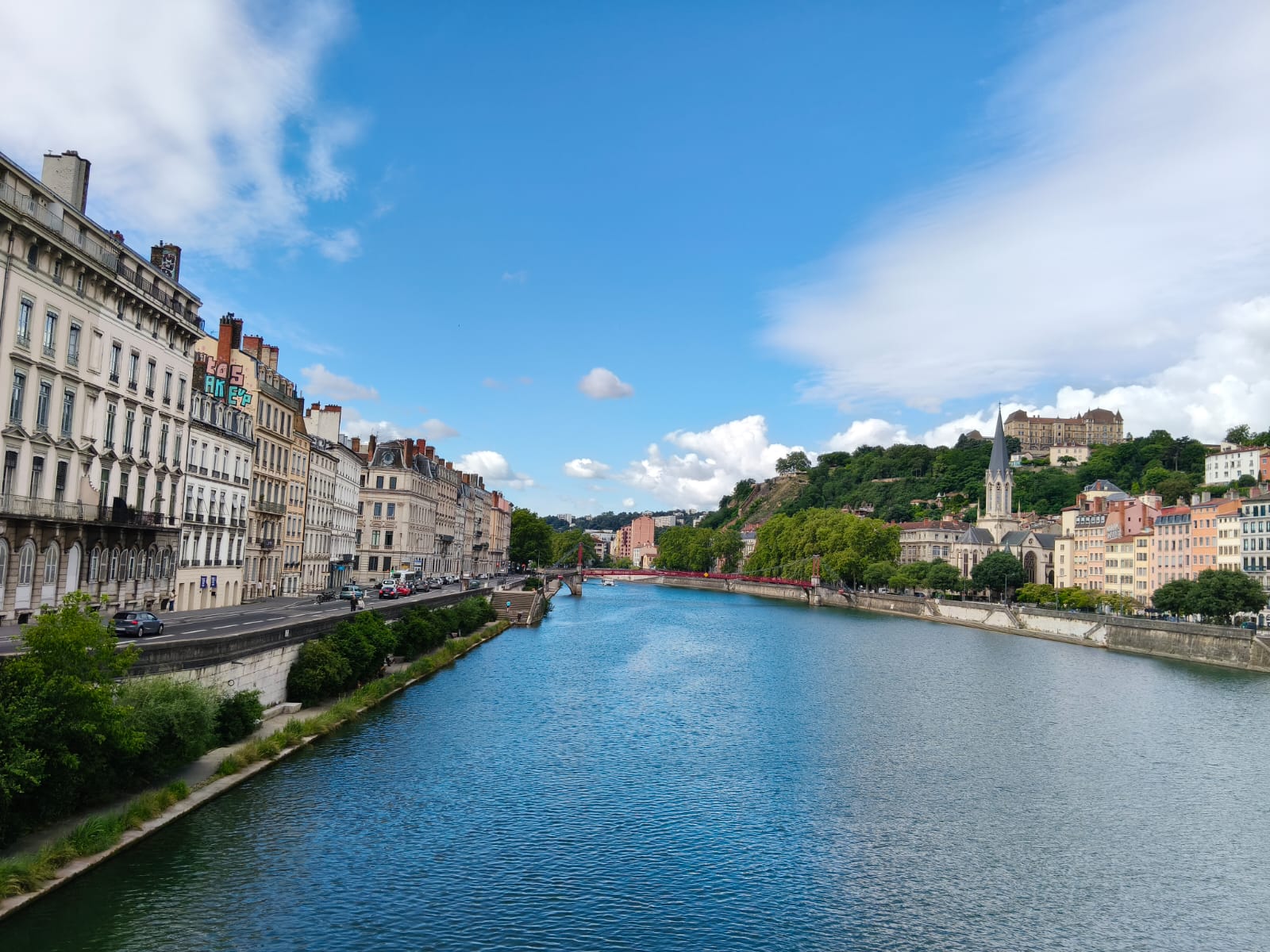
I knew Lyon was the gastronomical capital of France. But after landing there, I also learnt that in addition to being the location from where Caeser launched his campaign against the Gauls, it was also the nerve center of the Resistance movement during the Nazi occupation of France. One reason for this was also its history as a silk center.
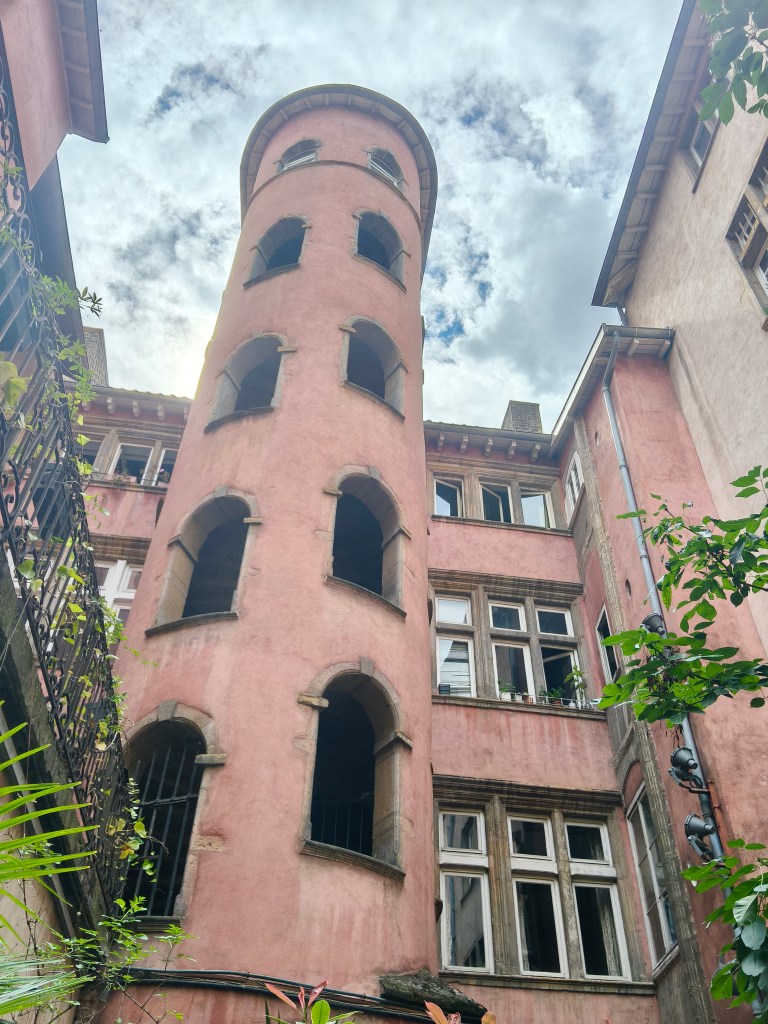
In the 16th and 17th century, Lyon’s economy was centered on silk weaving thanks to the tax sops and its ability to attract talent from Italy. To transport the precious silk from the weavers’ units to the markets and merchants, the old town devised a unique urban planning solution. They designed something called traboules which are passageways that connect different buildings and streets through doorways that appear to be normal building entrances. Enter an ordinary doorway, cross a few courtyards, climb or descend staircase and lo and behold, you emerge in a different street. When the Nazis took over, these traboules became invaluable for the Resistance!
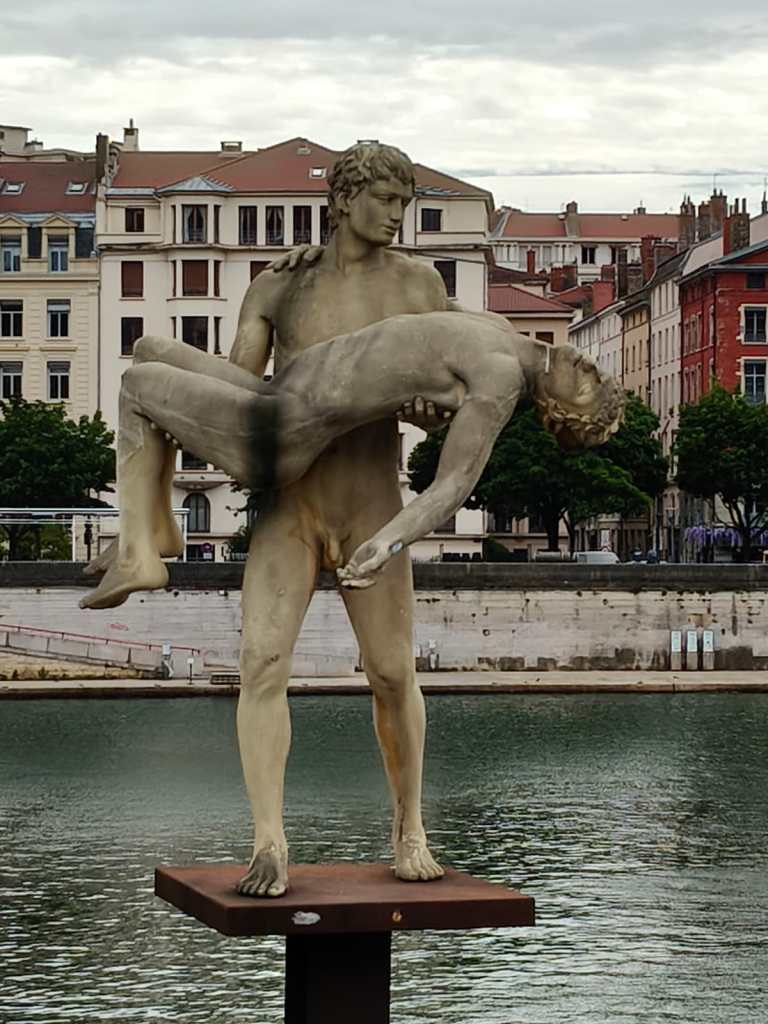
The hero of this period in Lyon’s history was Jean Moulin- the head of the French Resistance appointed by none other than de Gaulle. Eventually, Moulin was ratted out and tortured to death by the Nazi supremo in Lyon, Klaus Barbie, also known as the ‘Butcher of Lyon’. After the war, Barbie escaped to South America (just like Eichmann and Walter Rauff.) France managed to extradite him and his trial which was televised in 1987 was a defining moment for post-war France. Right opposite the courthouse where the trial took place stands a statue which shows a man carrying himself – believed to symbolise the weight of the grief, guilt and regret that we all carry inside us.
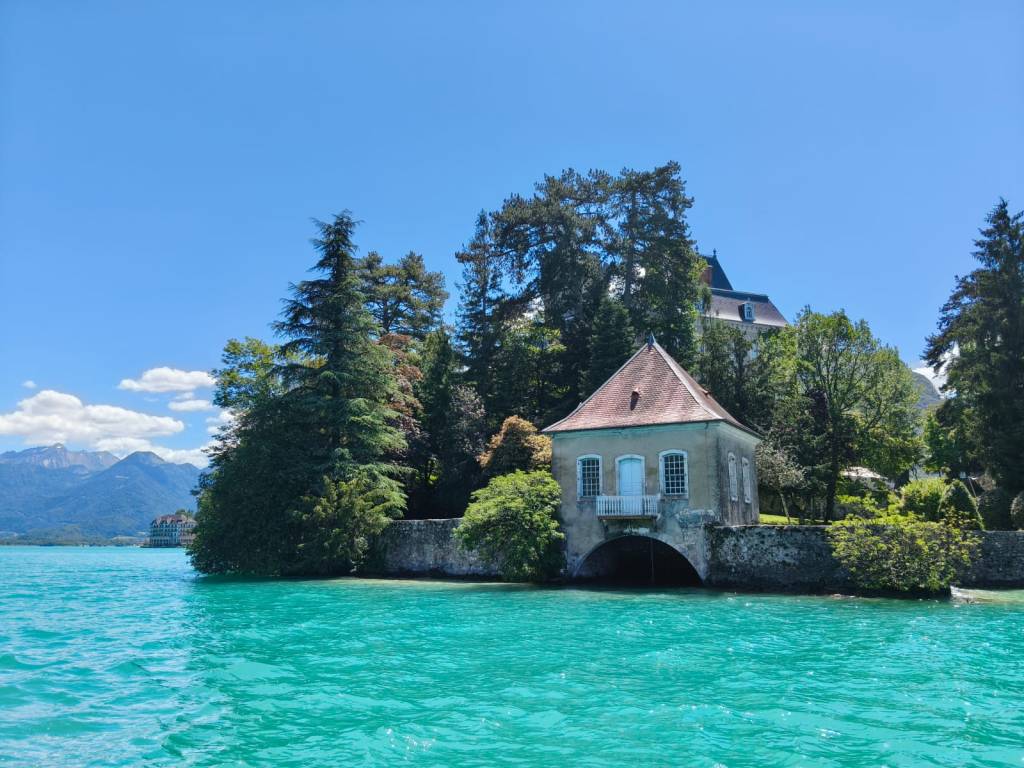
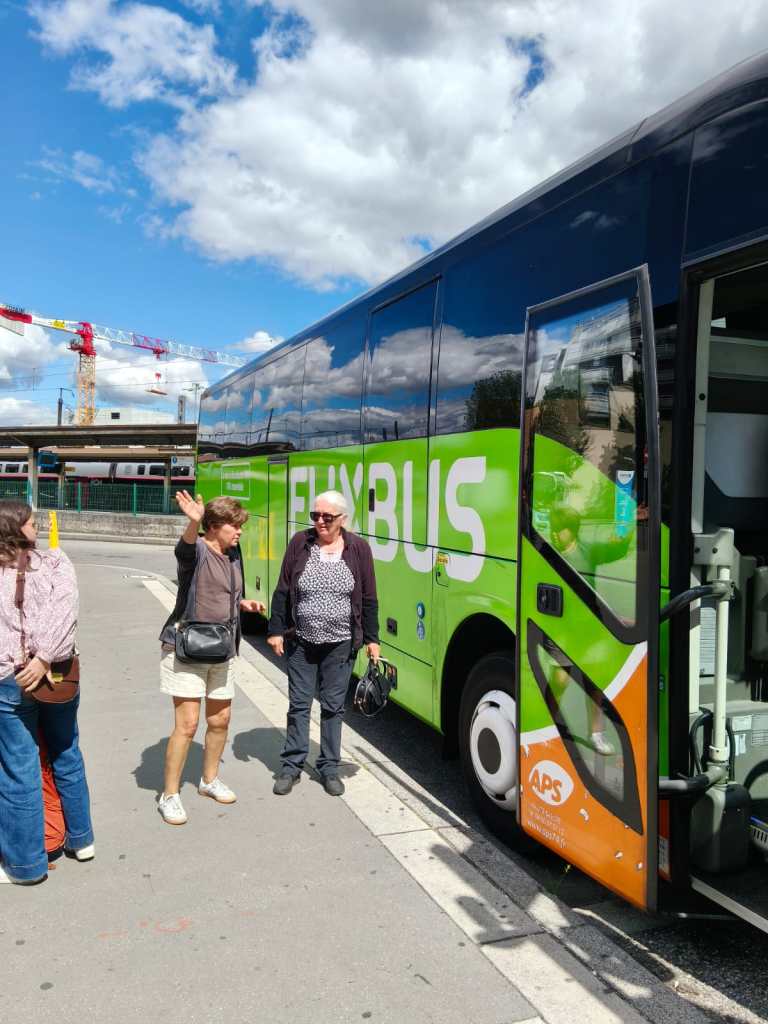
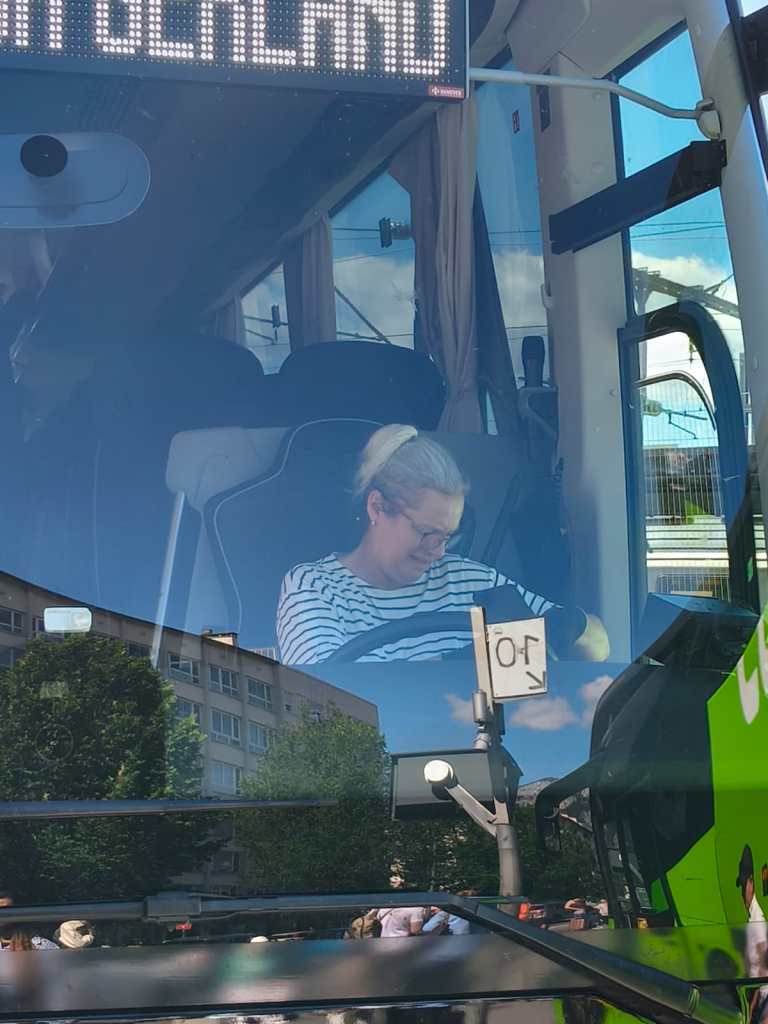
Around 90 minutes away from Lyon is the lakeside village of Annecy. It’s a pretty place which was made all the more memorable by the two female drivers who drove our bus to the locale!

Discover more from Manish Mohandas
Subscribe to get the latest posts sent to your email.
