It was only when I landed in Venice did I actually understand what Venice was. Unless you see the real thing, its actually quite complex to fathom how a city can be built on a marshy lagoon and thrive as a Republic for more than 800 years until the short man from France came and ended it once and for all.
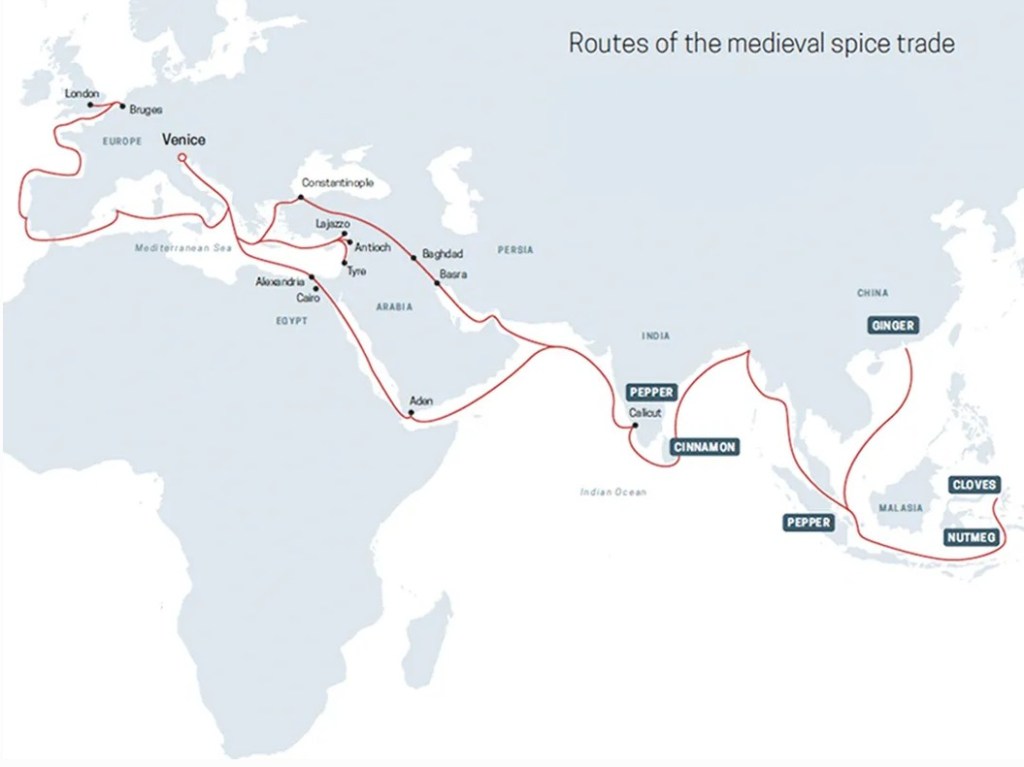
The fun fact connecting Venice and my home Kozhikode is that when Vasco da Gama charted the first sea-route to India (Kozhikode) in 1498, he set forth the beginning of the end of Venice as a key transit point for goods entering Europe from Asia. Until then, the usual mode of moving goods was to ship stuff to Aden or other ports in Arabia, move them overland to Alexandria and then again ship them to Venice or its rival Genoa. So, the moment an alternate route opened up, the stranglehold of Venice ended. Our guide also informed me that Venice was the most inland point of disembarkment for goods in all of the Mediterranean.
The water in the lagoons did not stink contrary to many accounts that I read. The tides of the Adriatic keep flushing the city’s water on a periodic basis.
The blazing sun and the riot of colours all around didn’t give me the impression of a decaying, gloomy Venice that Thomas Mann wrote about in his ‘Death in Venice’. Also, there was also this sense of excitement of visiting the home of Marco Polo and the city of Shylock, Antonio and Portia.
The St Marks Cathedral and the area surrounding it is the heart of Venice. The whole story of how Mark’s body ended up in Venice is an amusing one. Sometime in the 9th century, Venice felt it could never compete with the other major powers until it had some Christian symbolism to boast of. So merchants being merchants, decided to bring St. Mark’s body from Alexandria. The story goes that they smuggled his body by wrapping it under pork to prevent the Muslims ruling Alexandria from probing too much. Soon a cathedral was built, the winged lion which was the symbol of Mark also became the symbol of Venice and the city became a key center for Christian pilgrims.
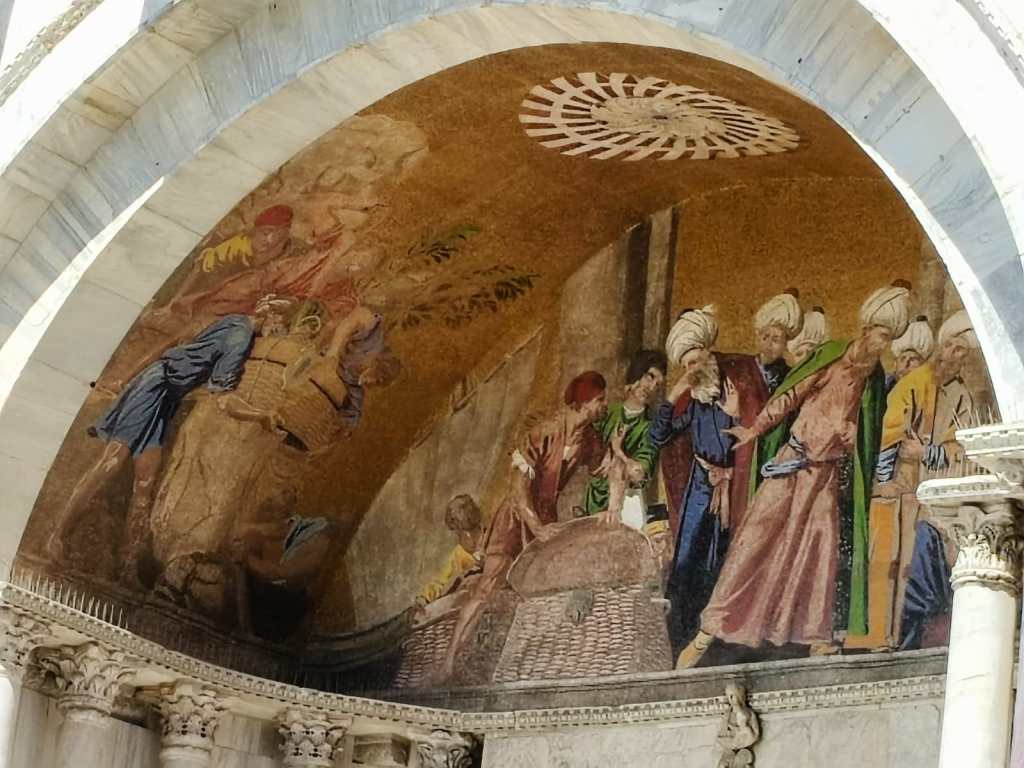
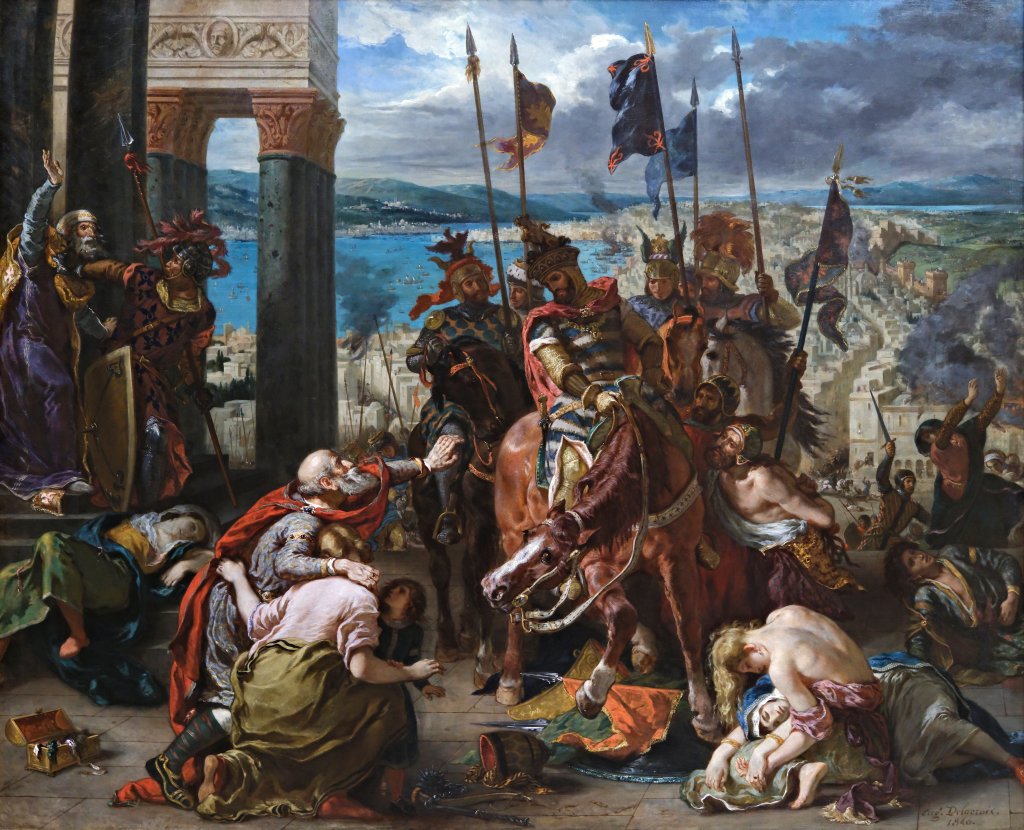
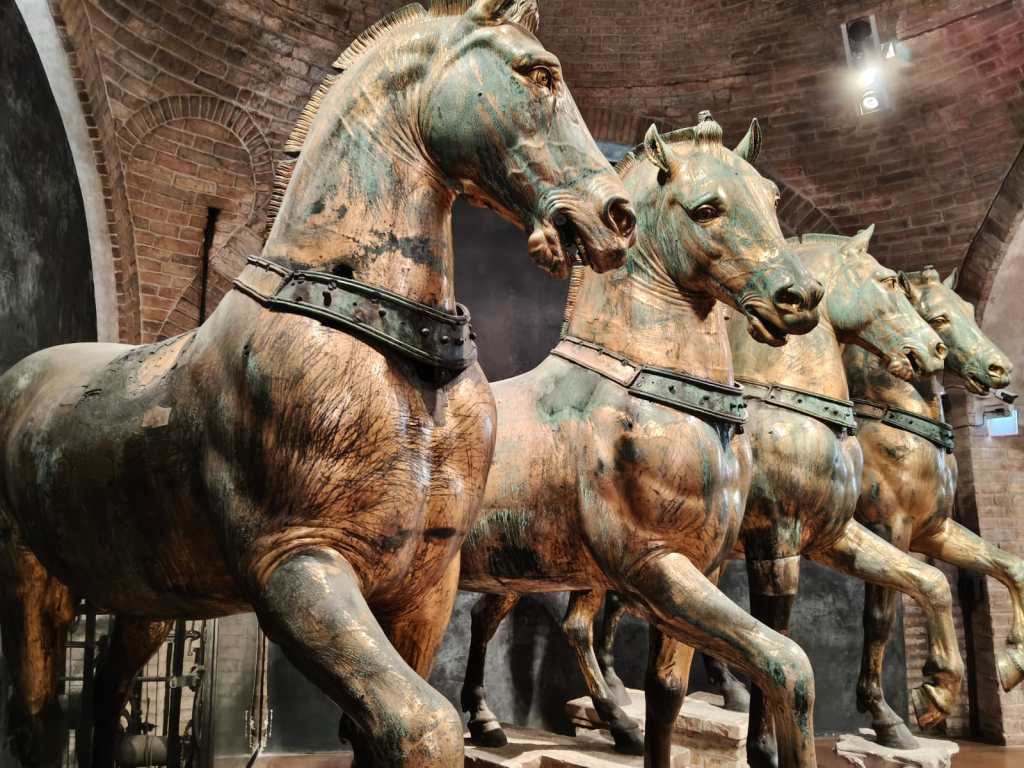
The cathedral has clearly strong Ottoman vibes and hardly looks like a Christian structure. The other intriguing artefact in the cathedral are the Horses of Saint Mark. During the crusades, the crusadors borrowed money from the Venetians and when they couldn’t repay it back, got arm twisted by Venice to sack Constantinople instead of Jerusalem. (Delacroix has a painting of this event titled Entry of the Crusaders in Constantinople which is now at the Louvre.)
One of the key bounties of that raid was the bronze statue of these horses. Napoleon took them to the Louvre but they were returned after his defeat in 1815. Again, its a nice thing to stand next to an artifact that saw both the Roman and Byzantine empires.
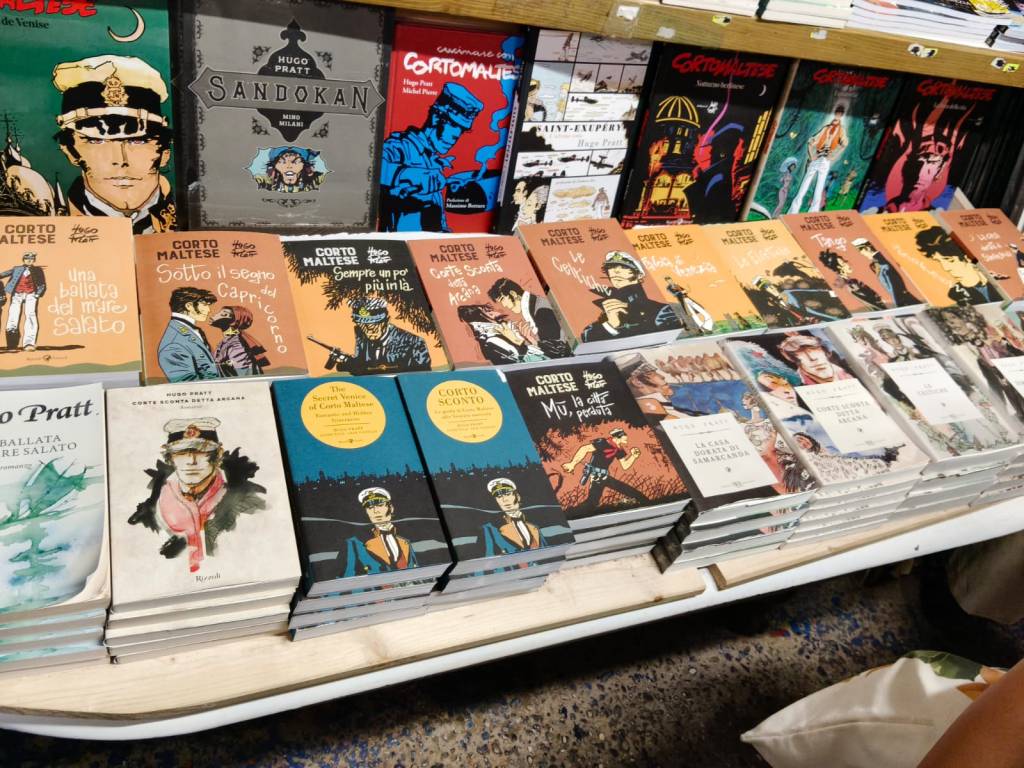
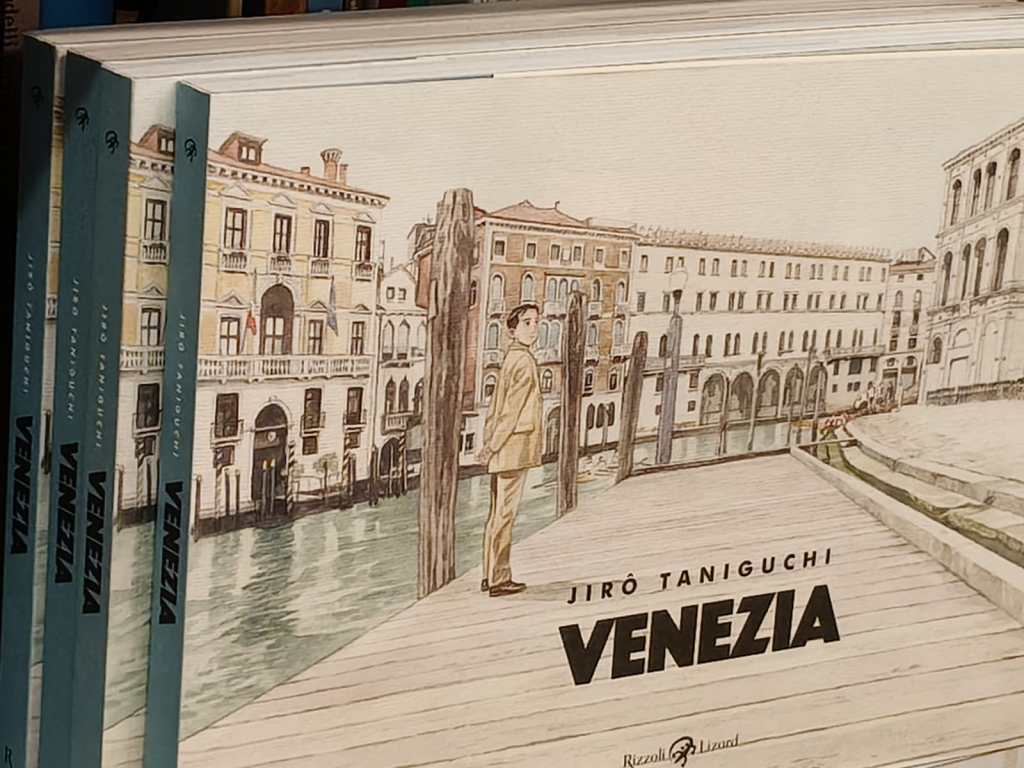
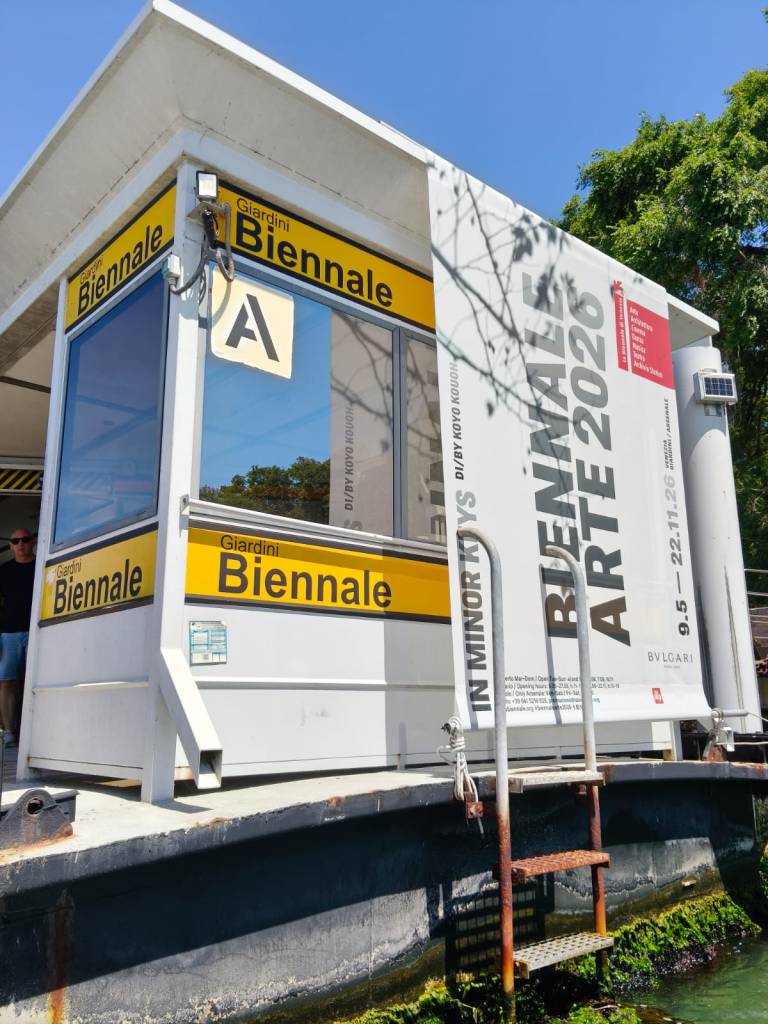
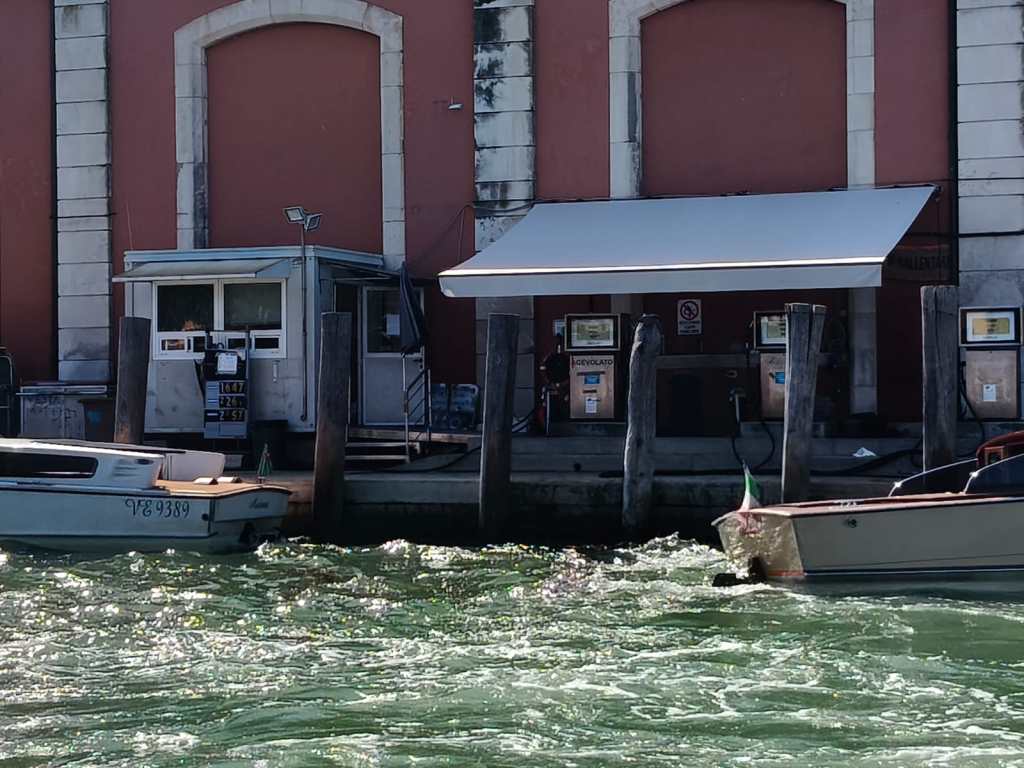
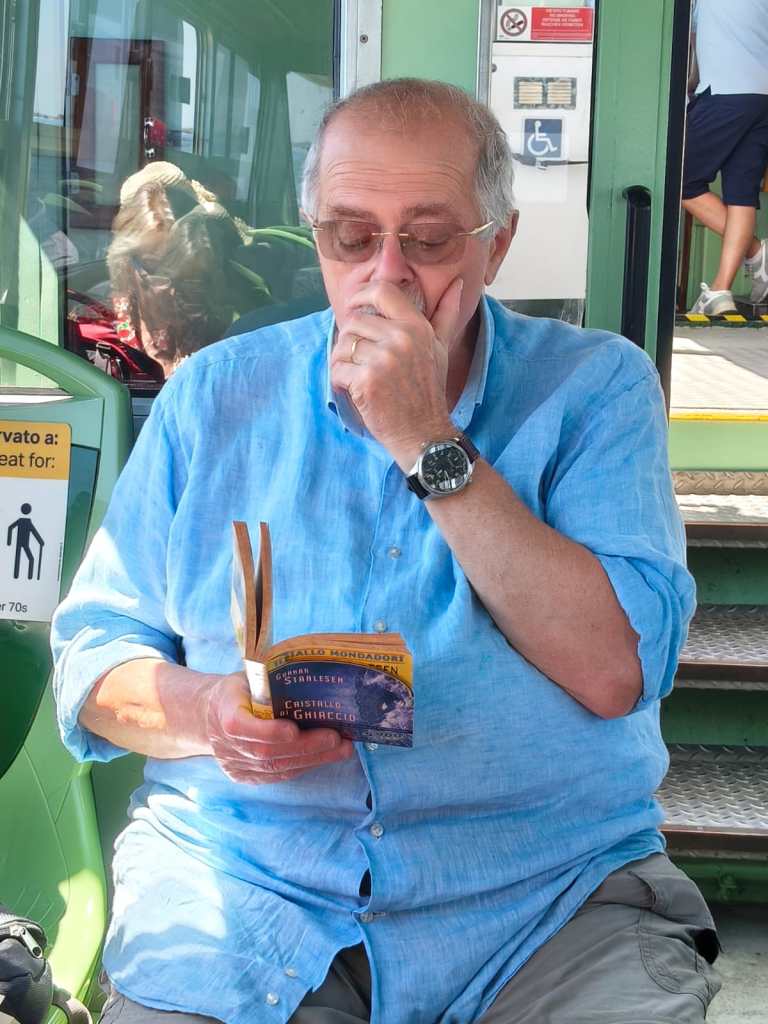
In one of our trips on the water bus, I ended up asking a gentleman some directions on where to get down. After answering me, he said: “Indians! And let me guess, from Kerala, right?”. The guy had travelled extensively across India and currently supplies spare parts for the Indian coffee machine company Kaapi Machines. He was delighted to learn that coffee drinking is picking up in the country and my prediction that making and sipping espressos will be a thing in India within a decade.
Discover more from Manish Mohandas
Subscribe to get the latest posts sent to your email.

Was a great read Manish!
LikeLike