Patrick Olivelle’s ‘Ashoka’ is the first volume of the ‘Indian Lives’ series of Harper Collins, edited and put together by Ramchandra Guha. The work adopts a scholarly approach towards the man and his ideas. Re-reading aspects of his life is a great way to be reminded of Ashoka’s greatness. The only Indian empire to match … Continue reading Ashoka and the Mahabharata
Tag: History
Disease Eradication vs. Strengthening Health Systems
I’ve always been enamored of the power of modern medicine to stamp out diseases from the face of the earth. But when you think of it, we’ve only done that with one disease: smallpox. And therein lies a great puzzle: Why didn’t we succeed with the others. Can we? Should we? (ChatGPT informed me that … Continue reading Disease Eradication vs. Strengthening Health Systems
Tipu’s Tiger
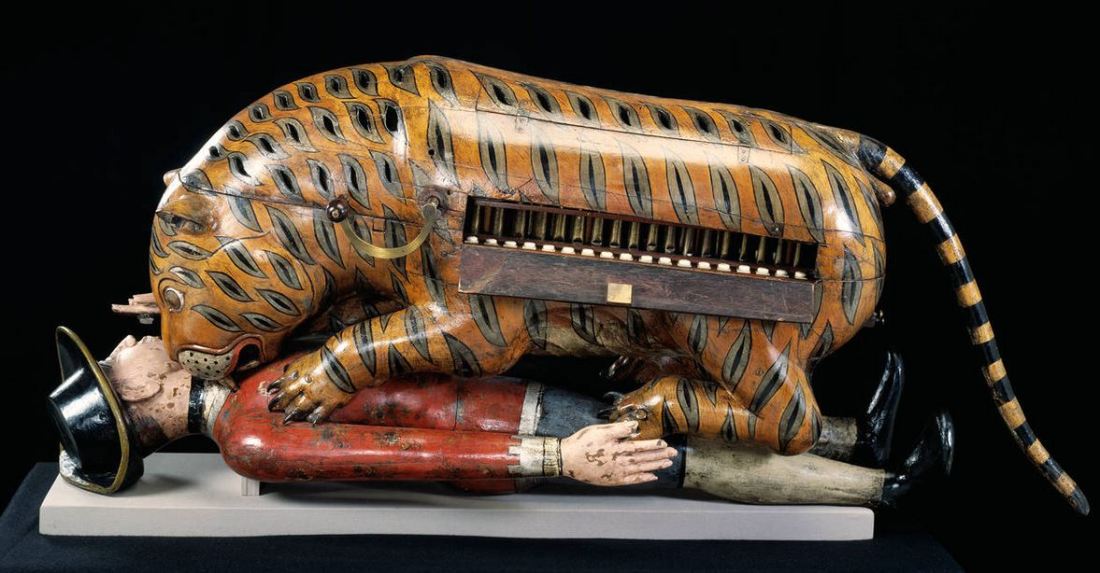
During the last thirty years of the 18th century, the most feared adversary of the British was undoubtedly the father-son duo of Mysore – Haider Ail and Tipu Sultan. Looking back, its fascinating to imagine the international influence that the two wielded. The Anglo-Mysore wars were keenly tracked by the French and going the Machiavellian … Continue reading Tipu’s Tiger
Marilyn Monroe’s Literary Odyssey
So many of Marilyn Monroe’s photographs are iconic. The one shot during the shoot of ‘The Seven Year Itch’ - in which her white dress billows up with the wind is probably the most famous picture of her. Her centerpiece appearance in the inaugural issue of Playboy in 1953 is also another popular one for … Continue reading Marilyn Monroe’s Literary Odyssey
Raja Rao
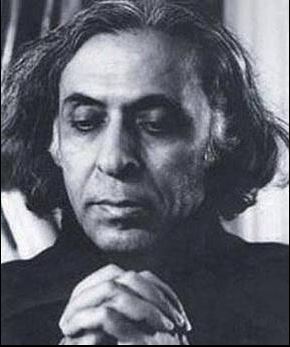
The 1930s was a remarkable decade for Indian writing in English. Mulk Raj Anand’s Untouchable and R.K. Narayan’s Swamy and Friends were published in 1935 and Raja Rao’s Kanthapura followed in 1938 – a year before WWII. Last month, I picked up Raja Rao for the first time and tackled Kanthapura, The Cat and Shakespeare … Continue reading Raja Rao
How Asia Works
Joe Studwell’s ‘How Asia Works’ is a seminal work examining the different trajectories adopted by the Asian countries in the aftermath of the Second World War. India doesn’t figure in the scope of this work. The focus is mainly on Northeast Asia (Japan, Korea), South East Asia (Malaysia, Indonesia, Vietnam) and of course China. Studwell … Continue reading How Asia Works
The Tokyo Trials and India’s Radhabinod Pal
Few of us realize how narrowly India missed experiencing the horrors of the Second World War. Japan wreaked havoc all across Southeast Asia and it was a miracle that we managed to hold them off at Kohima. After their capitulation, the Allied Powers wasted no time in setting up the Tokyo Trials, taking inspiration from … Continue reading The Tokyo Trials and India’s Radhabinod Pal
Beyond the Lamp: Florence Nightingale’s Statistical Legacy
We live in an age of dwindling attention spans. The rise of Instagram and the clickbaity nature of the links that we encounter each day is proof of this. The advice given to every aspiring writer is to catch the readers attention before they wander away and to cleverly deploy images to mold their opinions. … Continue reading Beyond the Lamp: Florence Nightingale’s Statistical Legacy
The Sunni-Shia schism of Islam
In a recent National Interest column, Shekhar Gupta quoted an interesting statistic: “Almost all the million-plus Muslims killed across the Muslim world in the past decade have been killed by fellow Muslims, barring about 5,000 to 7,000 each (if that many) by the Americans and the Russians (acting for the Assad regime in Syria)” Thanks … Continue reading The Sunni-Shia schism of Islam
The Dharamshala Weekend
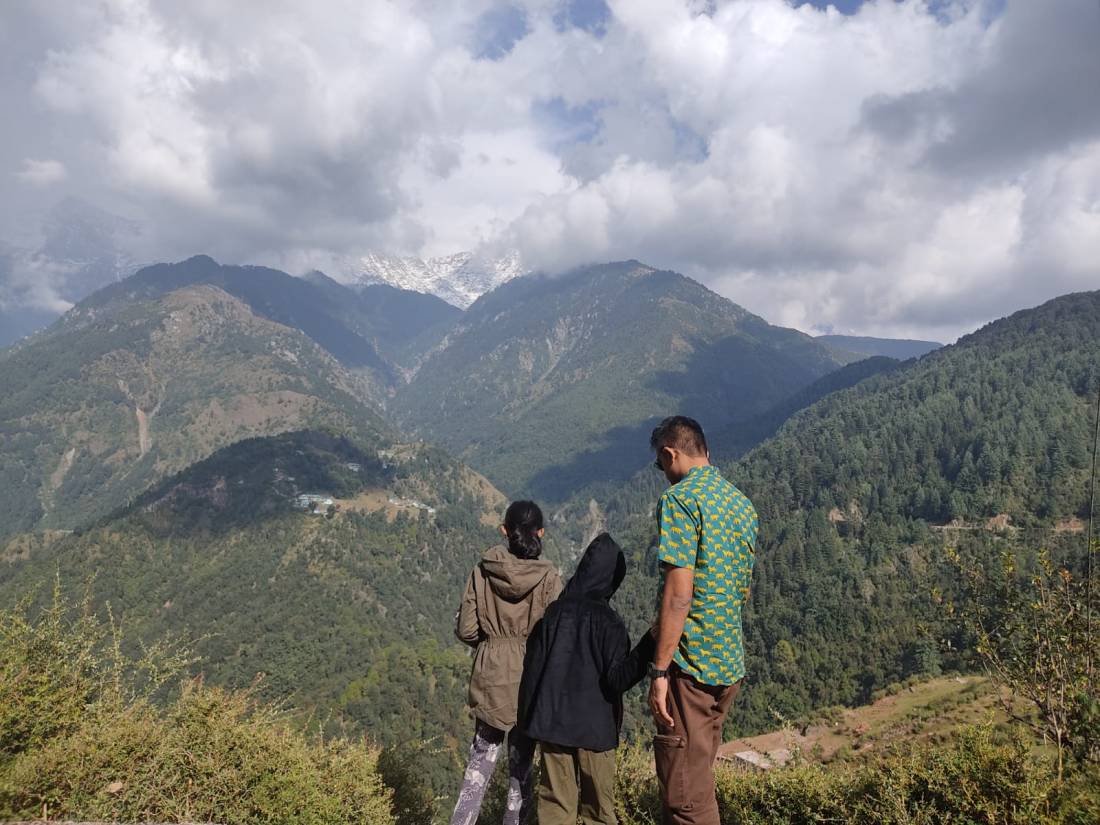
I spent the Dusshera weekend in Dharamshala. It was only after booking the tickets did I realize that the India-New Zealand World Cup match was also happening there at the same time. With the snow-capped peaks as the backdrop, it is little wonder that the cricket stadium is India’s prettiest. Like a typical tourist, I … Continue reading The Dharamshala Weekend