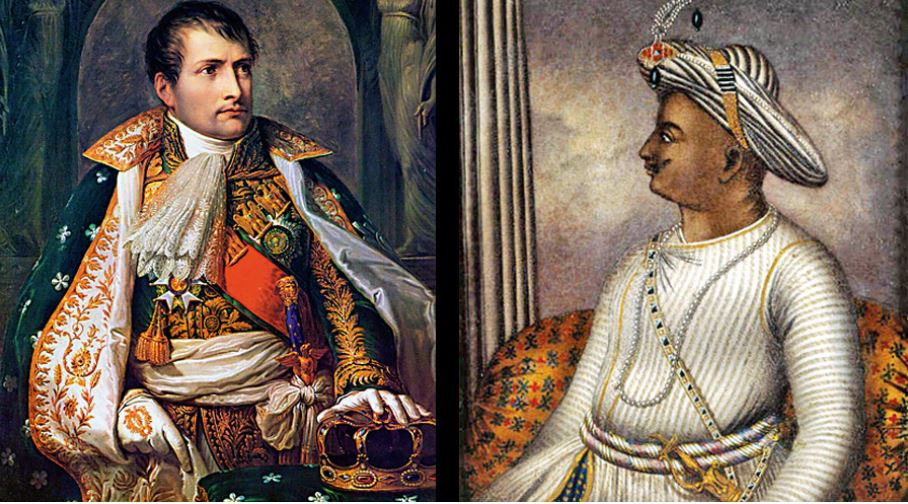
At the turn of the seventeenth century, Bruno was burnt at the stake for expanding Copernicus’ heliocentric theory and proposing that the universe was infinite with multiple stars and galaxies all around. In the span of one hundred years, kings were no longer seen as divine ambassadors of God, science progressed organically culminating in Newton’s … Continue reading The Seventeenth Century – The Age of Genius
Tag: History
Tughlaqabad
The Tughlaqs are seen as a relatively minor dynasty that ruled India from Delhi. But when you think of it, their 90-year reign from 1320 was greater than the age of the modern Indian Republic. Today, all that reminds us of their grandeur are their monuments still standing in various corners of Delhi and of … Continue reading Tughlaqabad
Sanchi Notes
The Sanchi stupa is a spectacular Buddhist monument. It’s address is an unusual one as Sanchi was a city that the Buddha never visited during his lifetime. Hiuen Tsang who spent 15 years in India checking out all the major Buddhist sites makes no reference to Sanchi in his writings. The stupa is believed to … Continue reading Sanchi Notes
Discovery of the Indus Valley Civilization
Until September 1924, India’s history was considered to have begun not more than 2500 years (500 BC max) ago. That month, John Marshall, the Director General of the ASI, in a piece published in the Illustrated London News, announced to the world the discovery of the Indus Valley Civilization based on excavations in Harappa and … Continue reading Discovery of the Indus Valley Civilization
The Jaipur Footprint in Colonial New Delhi
When New Delhi was built by the British, a substantial chunk of the required land was under the possession of the Raja of Jaipur. The three villages – Jaisinghpura, Madhoganj and Raja ka Bazaar were acquired by the British and incorporated into New Delhi. All these three villages, lay on the trunk road which connected … Continue reading The Jaipur Footprint in Colonial New Delhi
The Golden Road
In ‘The Golden Road: How Ancient India Transformed the World', Dalrymple’s thesis is that once upon a time, India was the center of the world. It was the land that exported its goods, gods, ideas and science to the rest of the world that in turn shaped the world as we know it today. Most … Continue reading The Golden Road
Random List of Contemporaries
Rajendra Chola, the chap who constructed the magnificent Gangaikonda Cholapuram and the son of Rajaraja Chola (immortalized in Ponniyan Selvan) ruled just about seventy years before Mohammed Ghori’s Somnath raids in the 12th century. I found this fact quite mind-boggling since I’ve never been able to visualize contemporaries of historic figures reigning simultaneously in different … Continue reading Random List of Contemporaries
Corbett’s writings
When King George VI passed away, his daughter and heir Elizabeth was holidaying in Kenya. The manner in which the news of the King’s death was relayed to her in far-away Kenya was captured in an iconic scene in ‘The Crown’. Guarding her treetop hotel where she was spending the night was Jim Corbett. In … Continue reading Corbett’s writings
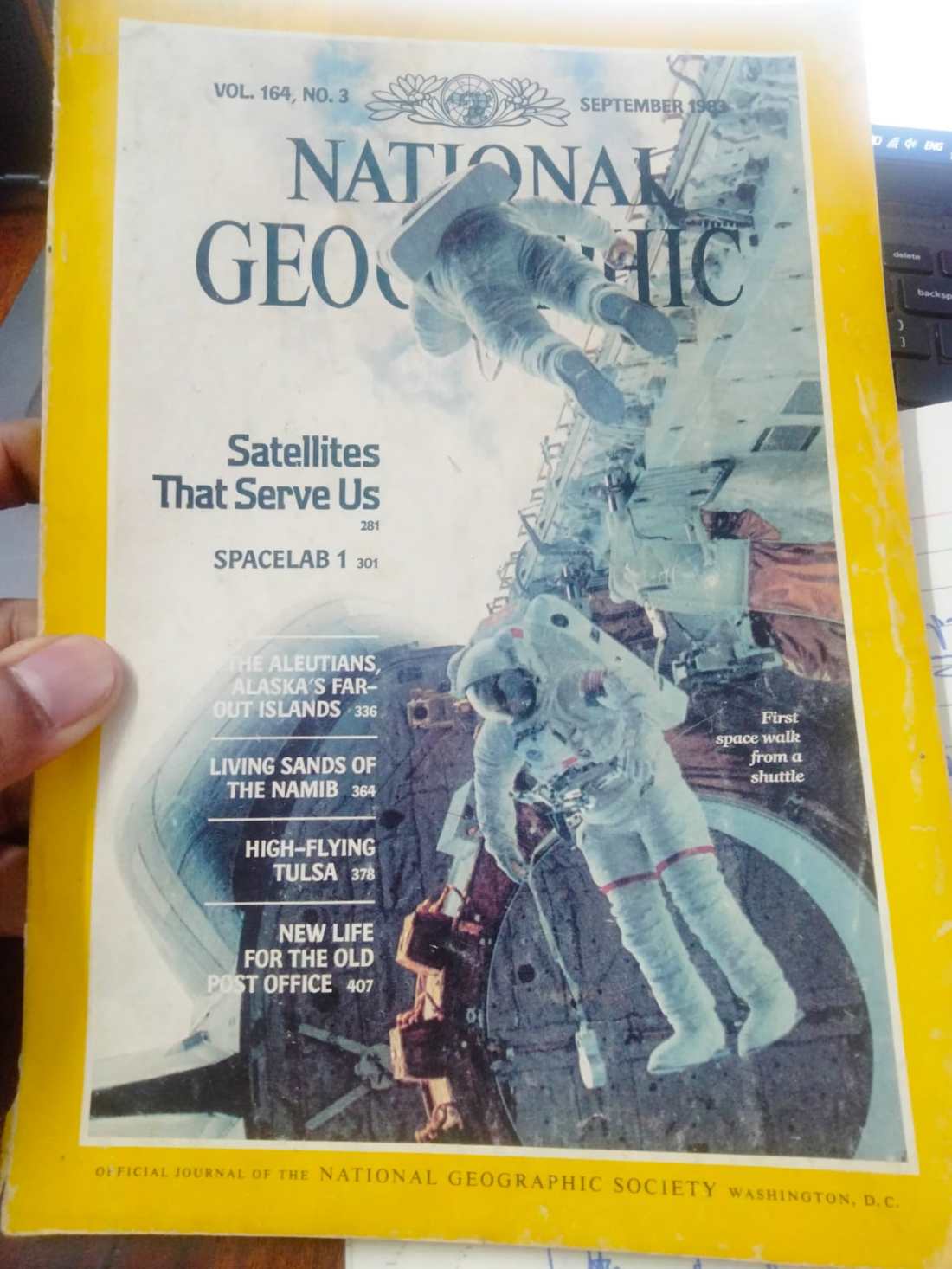
National Geographic – September 1983
Each time I visit the Sunday Book Market in Daryaganj, I scan through the National Geographics scattered in various stalls to see if something striking catches my eye. This month, I got lucky and landed myself the issue of September 1983 – the month I was born. Flipping through it, I realized that I’m becoming … Continue reading National Geographic – September 1983
The Evolution of the Idea of ‘The West’
How did the idea of the ‘West’ emerge? Naoíse Mac Sweeney, in a sweeping narrative, presents a compelling argument in The West: A New History in Fourteen Lives. The Greek and Roman empires are central to the identity of the ‘West’ today. But how did this narrative arc emerge? Her fascinating arguments: Herodotus, in his … Continue reading The Evolution of the Idea of ‘The West’