Look around yourself and observe all the objects you see. Every one of them will one day be categorized as waste and either end up in a landfill, get decomposed, broken down, recycled or end up in the oceans. Everything we touch was created by generating waste; and will some day end up becoming waste. … Continue reading Thinking about Waste
Ultra Processed Food
Earlier this month, while traveling to Bhopal, I was served this powdered concoction by the Indian Railways. Though it looked like chalk powder, the ‘food’ item in question was Knorr Instant soup and is a classic example of what goes as Ultra Processed Food aka UPF. According to the NOVA classification, processed food is categorized … Continue reading Ultra Processed Food
On Philanthropy
Human beings are self-centered. When I perform an act of altruism or a ‘good deed’, all that I’m doing is meeting my own self-interest – the need for acknowledgement from my peers, an addiction to the warm afterglow or in some cases a quest for glory. This is true for you, me and everyone else. … Continue reading On Philanthropy
Delhi during the Partition
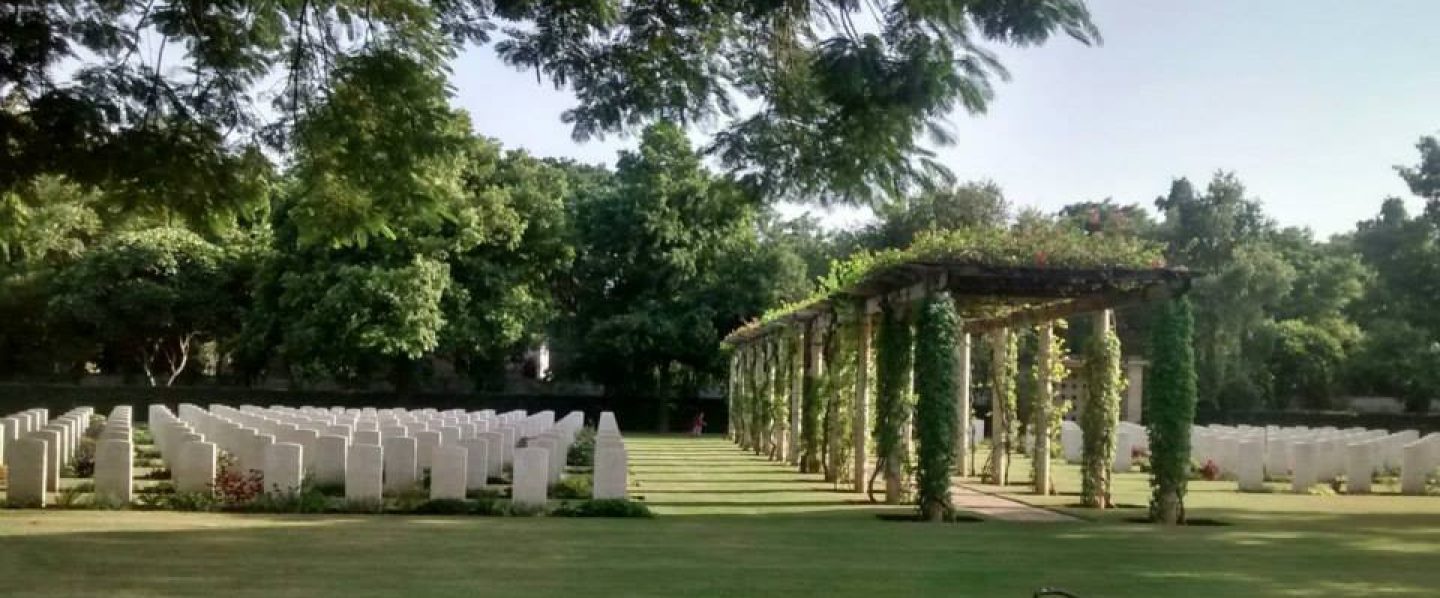
To describe the early 40s as a unique period in Indian history would be an understatement. World War II was raging, Britain was valiantly holding on against the Nazis, the Japanese were marauding in the seas of Southeast Asia, Chiang Kai-shek was battling them with US supplies airdropped from India, Burma had fallen and it … Continue reading Delhi during the Partition
A Conflict of Visions
In my line of work, I attend (often, forced to) a lot of panel discussions, workshops and conferences. Most of these have a set pattern. It’s usually around a global issue or something that affects at least a few hundred million people; and the respondents in 3 minutes pontificate on how the problem needs to … Continue reading A Conflict of Visions
Museums and Repatriation
Should the Kohinoor be returned to India? Doesn’t the Rosetta Stone rightly belong to the Egyptians? The Elgin Marbles – the highlight of the British museum – should be reinstalled in the Parthenon, right? What are the Egyptian mummies doing in the British Museum? And why aren’t the Benin bronzes returned? These are all fraught … Continue reading Museums and Repatriation
The Cult of Creativity
We live in a world that places a premium on creativity. Companies expect their employees to be creative, parents want their children to become creative, mayors want to convert their cities to creative hubs, translators want to be acknowledged for their creative skills and artists strive to express their unique visions through creative work. But … Continue reading The Cult of Creativity
The Narrow Corridor, the Cage of Norms and the Red Queen Effect
Thomas Hobbes, was born in the year of the Spanish Armada and lived through the English Civil War. When Charles I lost his head, he lived in exile in France and only returned after the monarchy was restored under Charles II. (I had written a bit about this period here). To understand his political philosophy, … Continue reading The Narrow Corridor, the Cage of Norms and the Red Queen Effect
The Stuarts and the English Civil War
No conversation around the idea of democracy can skirt the English Civil War. The seventeenth century in England with the Stuarts in power also produced two of the greatest political philosophers of all time – Thomas Hobbes and John Locke. So, trying to get a sense of this period led me to Jonathan Healey’s ‘The … Continue reading The Stuarts and the English Civil War
The Case Against the Sexual Revolution
Feminism, like all isms, brooks no dissent. For this reason, Louise Perry’s argument against the sexual revolution, brought about and cheered largely by the feminist movement from the 60s, requires a wider reading. While I disagree with her conclusions, her courage to stick her neck out and make her arguments makes this an important addition … Continue reading The Case Against the Sexual Revolution