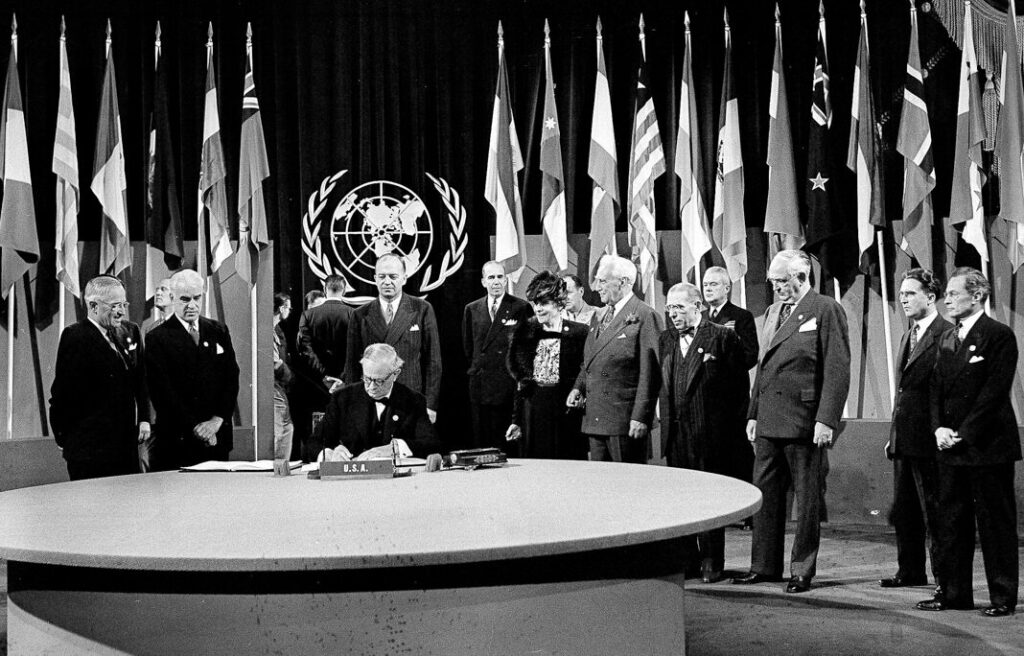
When the Charter of the United Nations was signed on 26th June 1945, the Second World War was still raging in the Pacific. Hiroshima and Nagasaki were yet to happen. And colonialism was very much alive and kicking. ChatGPT informs me that the following countries were still under colonial control: Mark Mazower, in No Enchanted … Continue reading The Political Origins of the United Nations
The Merchant of Venice
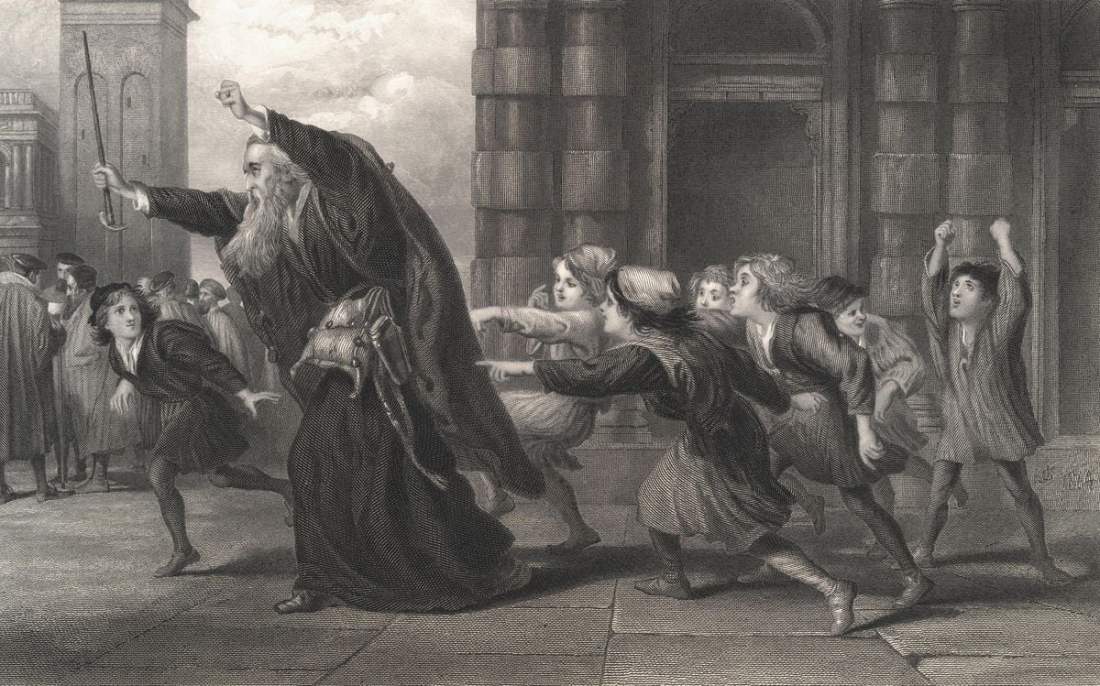
Was Shakespeare an antisemite? Many argue that his portrayal of Shylock in ‘The Merchant of Venice’ is proof that he was one. Shylock the Jew is a money lender who demands a pound of flesh from Antonio, loses his mind when his daughter elopes (setting off with his jewels and ducats) and refuses to curry-favour … Continue reading The Merchant of Venice
What I Watched – March 2025
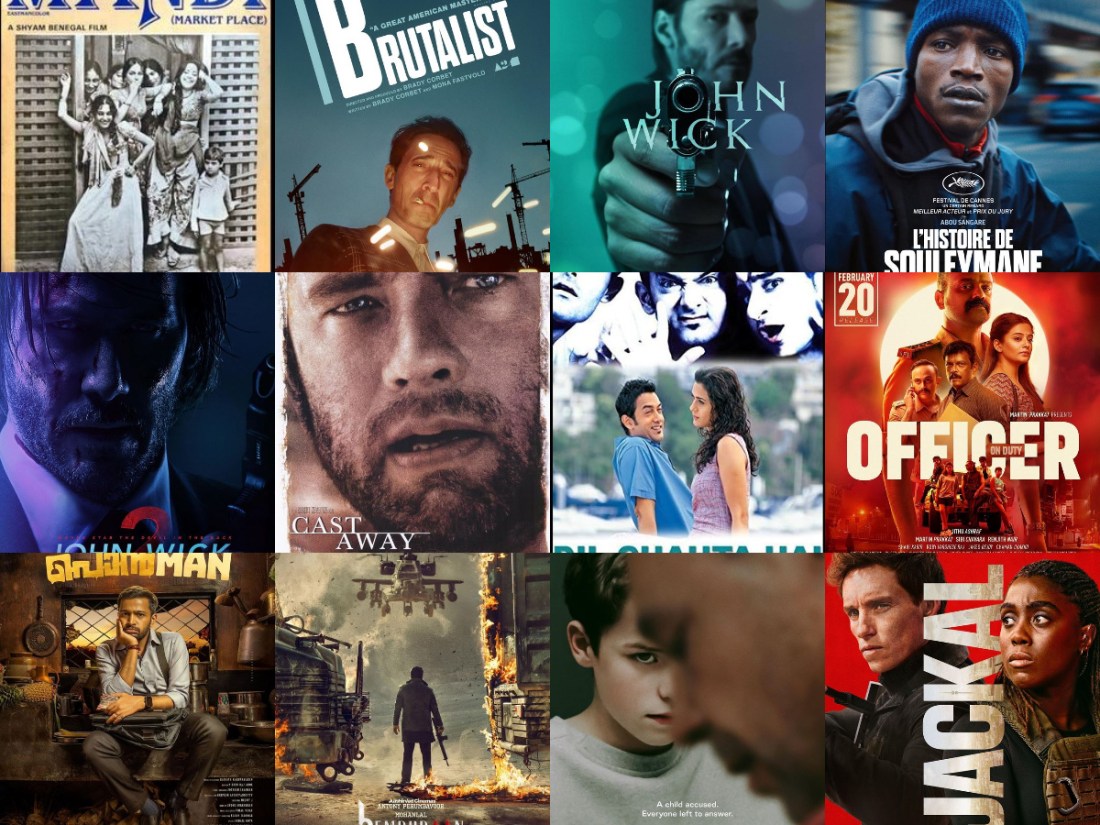
The Brutalist: I wonder if this was the longest movie that I’ve ever watched in a cinema. The movie was good but not great. After a month, thinking about it, only Felicity Jones’ character comes to my mind. Day of the Jackal: Undoubtedly, the best thriller that I’ve watched in ages. I just love these … Continue reading What I Watched – March 2025
Bhuj Notes
I visited Bhuj for the first time earlier this week. The first thing that struck me was the barren landscape, the hardy Mesquite trees, herds of goats and gaushalas – each a testament to a land shaped by sparse rainfall and arid conditions. (This Wire piece on the role of the mesquite in Kachchh is … Continue reading Bhuj Notes
Girard’s Scapegoat Mechanism and the Mahabharata
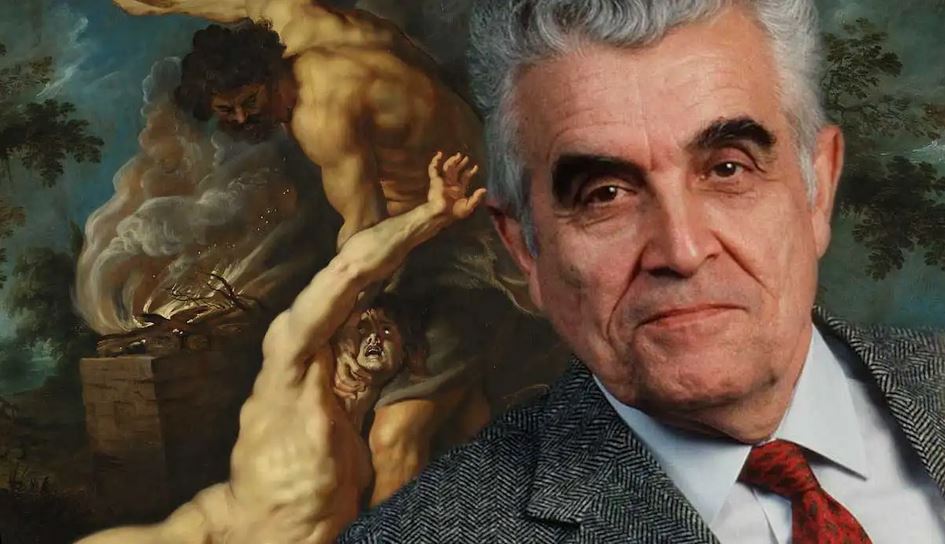
In the fable of the 'Fox and the Sour Grapes', the disappointed fox walks away at the end. He does this only because he is alone. Had there been a few more foxes salivating over the grapes, walking away would have been tough. According to the French philosopher Rene Girard, everything we desire is driven … Continue reading Girard’s Scapegoat Mechanism and the Mahabharata
The Timeless Relevance of Hadji Murad
Forty years after his deployment in the Caucasus, Tolstoy wrote Hadji Murad, based on a real-life figure, over an eight-year period. Published posthumously, it is often regarded as one of the greatest novellas ever written. Set during Russia’s early 19th-century conflict in the Caucasus, the story follows Hadji Murad, a feared warlord who defects to … Continue reading The Timeless Relevance of Hadji Murad
Peak, End, and Exit: Daniel Kahneman’s Last Decision
I’ve read a ton of books on psychology over the past five years, and I’ve hardly come across a single work that doesn’t make a reference or has a quote from Daniel Kahneman’s ‘Thinking Fast and Slow’. Kahneman passed away last March at the ripe old age of 90. When we hear about the passing … Continue reading Peak, End, and Exit: Daniel Kahneman’s Last Decision
The Tempest
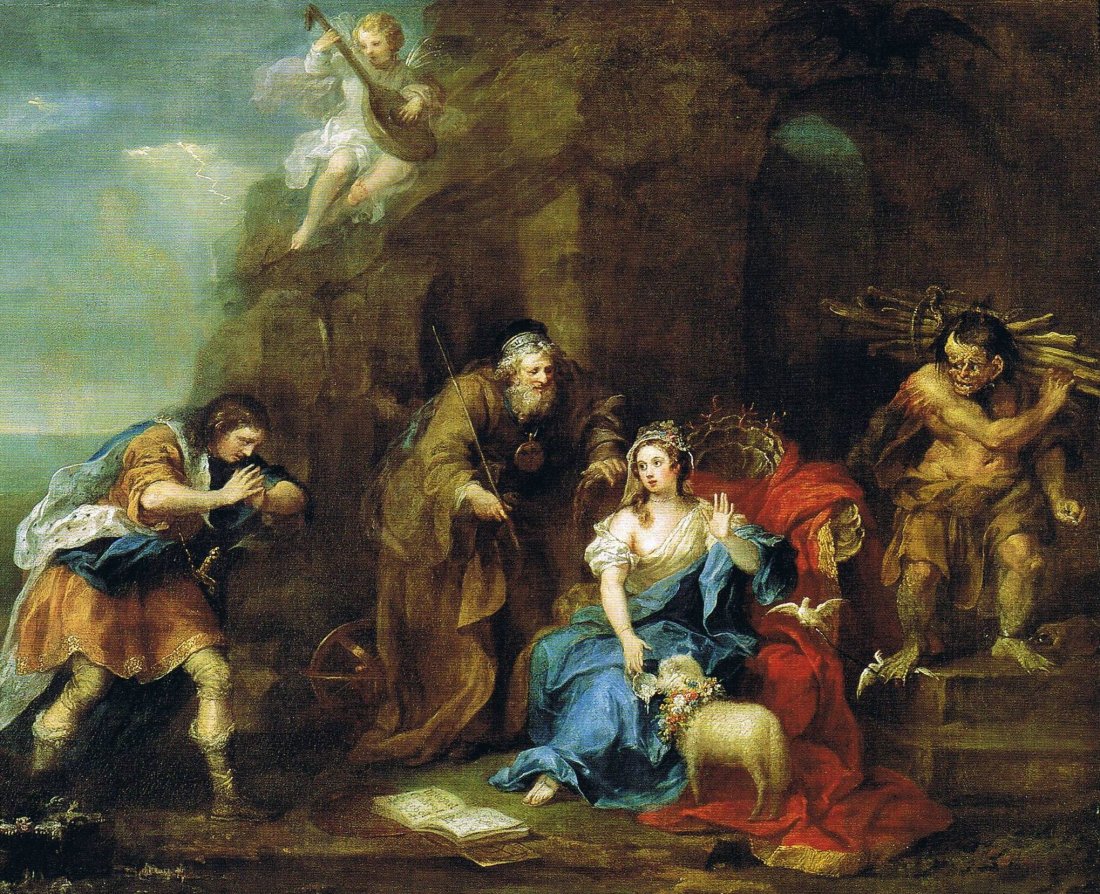
Shakespeare’s play of a magician conjuring up a storm and bringing together a group of men to his island—his mastery over a native, a compliant spirit, and a daughter who is ‘made’ to fall in love with a prince—is a meta-story of the theories propounded by Plato, Machiavelli, Hobbes, and Montaigne. The Tempest should be … Continue reading The Tempest
The Market-Friendly Dharma of Buddhism
During my previous visit to Dharamshala, an amusing sight that caught my attention was a group of Buddhist monks, red-robed, sporting Nike sneakers, sipping cappuccinos and completely immersed in their i-phones. A few decades earlier, while visiting a Buddhist monastery in Sikkim, a Sikkimese colleague accompanying me, laughed off the elaborate rituals associated with Vajrayana … Continue reading The Market-Friendly Dharma of Buddhism
Gauguin and van Gogh’s Ear
The meme below was undoubtedly the funniest one I came across after the assassination attempt on Trump last year. It’s a clever riff on van Gogh’s self-portrait soon after he chopped his ear with a razor. I bring this up now as I had forgotten that the reason for his act was his tiff with … Continue reading Gauguin and van Gogh’s Ear