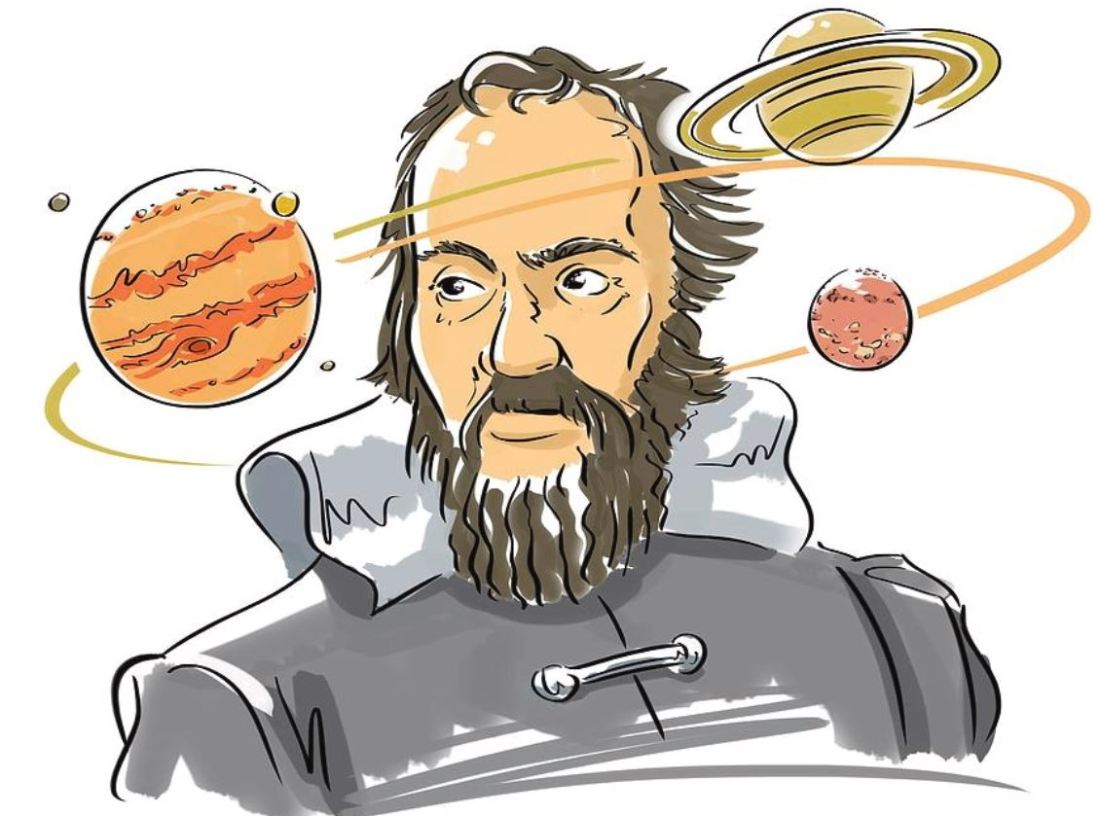
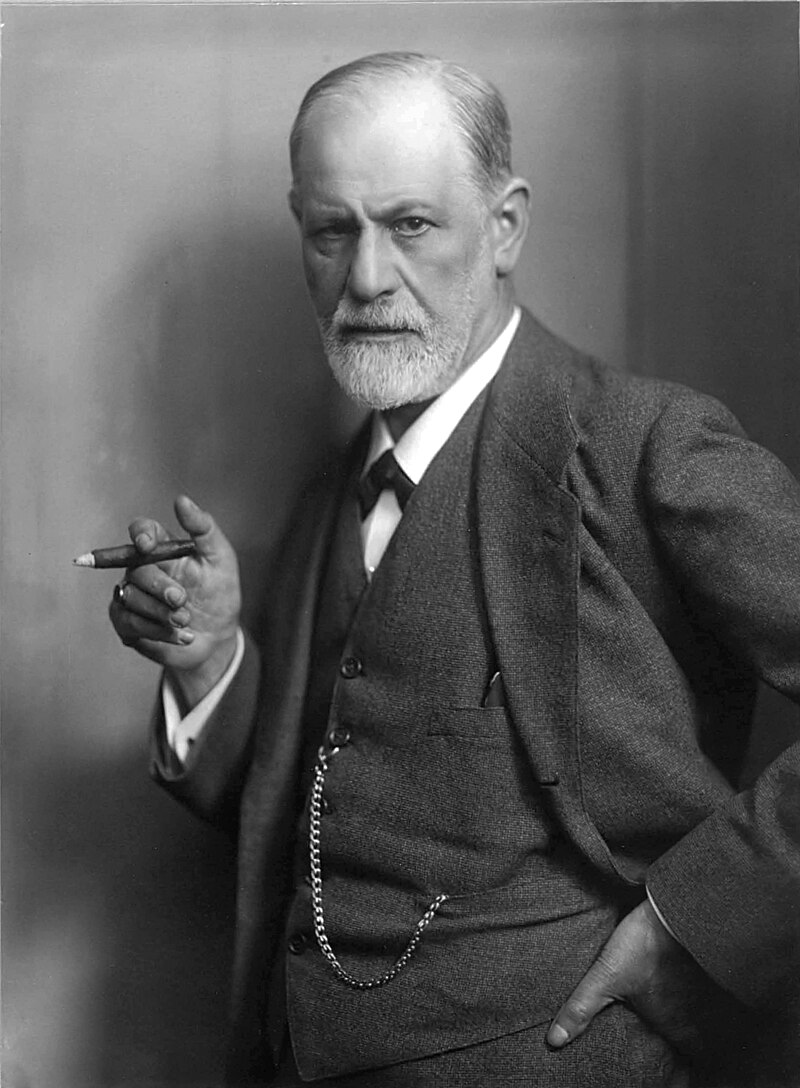
Rajendra Chola, the chap who constructed the magnificent Gangaikonda Cholapuram and the son of Rajaraja Chola (immortalized in Ponniyan Selvan) ruled just about seventy years before Mohammed Ghori’s Somnath raids in the 12th century. I found this fact quite mind-boggling since I’ve never been able to visualize contemporaries of historic figures reigning simultaneously in different … Continue reading Random List of Contemporaries
Category: History
Mental Model for Categorizing Intellectuals
An apocryphal story has it that Confucius once became separated from his students in a strange city. They were searching for him when a local informed them that he’d seen a man who appeared ‘crestfallen, like a homeless wandering dog’. This clue led them to their master. When they told Confucius how the man had … Continue reading Mental Model for Categorizing Intellectuals
Zweig’s ‘World of Yesterday’
Its hard to comprehend the horrors that Europe went through in the early 20th century. The generation that was born in first few years of the century, was the fortunate one. They were too young to fight in the First World War and too old for the Second. Stefan Zweig’s memoir ‘The World of Yesterday’ … Continue reading Zweig’s ‘World of Yesterday’
Corbett’s writings
When King George VI passed away, his daughter and heir Elizabeth was holidaying in Kenya. The manner in which the news of the King’s death was relayed to her in far-away Kenya was captured in an iconic scene in ‘The Crown’. Guarding her treetop hotel where she was spending the night was Jim Corbett. In … Continue reading Corbett’s writings
National Geographic – September 1983
Each time I visit the Sunday Book Market in Daryaganj, I scan through the National Geographics scattered in various stalls to see if something striking catches my eye. This month, I got lucky and landed myself the issue of September 1983 – the month I was born. Flipping through it, I realized that I’m becoming … Continue reading National Geographic – September 1983
The Evolution of the Idea of ‘The West’
How did the idea of the ‘West’ emerge? Naoíse Mac Sweeney, in a sweeping narrative, presents a compelling argument in The West: A New History in Fourteen Lives. The Greek and Roman empires are central to the identity of the ‘West’ today. But how did this narrative arc emerge? Her fascinating arguments: Herodotus, in his … Continue reading The Evolution of the Idea of ‘The West’
Belgium Notes
I took the train from Amsterdam to Brussels and the change in the economies of the two countries is visible as soon as you reach Belgium. The Brussels metro looked run down and the streets had a sombre, melancholic feel to it. Had it not been for the EU’s decision to have its headquarters here, … Continue reading Belgium Notes
Amsterdam Notes
I spent a few days in Amsterdam earlier this month. Being my second visit to the city, I wasn’t overawed. (Awe has diminishing returns which is one of the key criticisms of travel). The Netherlands is proof that sea-level rise due to climate change is not going to be the end of the world. If … Continue reading Amsterdam Notes
Conrad’s Heart of Darkness
In his memoirs, Obama writes about the time when his friends confronted him when they saw him reading Joseph Conrad’s ‘Heart of Darkness’. I tossed the book into my backpack. “Actually, he’s right,” I said. “It is a racist book. The way Conrad sees it, Africa’s the cesspool of the world, black folks are savages, … Continue reading Conrad’s Heart of Darkness
England’s debt to the Dutch
In his latest work ‘The Age of Revolutions’, Fareed Zakaria argues that the world’s first revolution that transformed the relations between the state and its citizens and ushered in the modern ideas of liberalism was not the American, French or the English revolutions. It was instead the Dutch Golden Age. Feudalism never took root in … Continue reading England’s debt to the Dutch