Laurentian Feminism

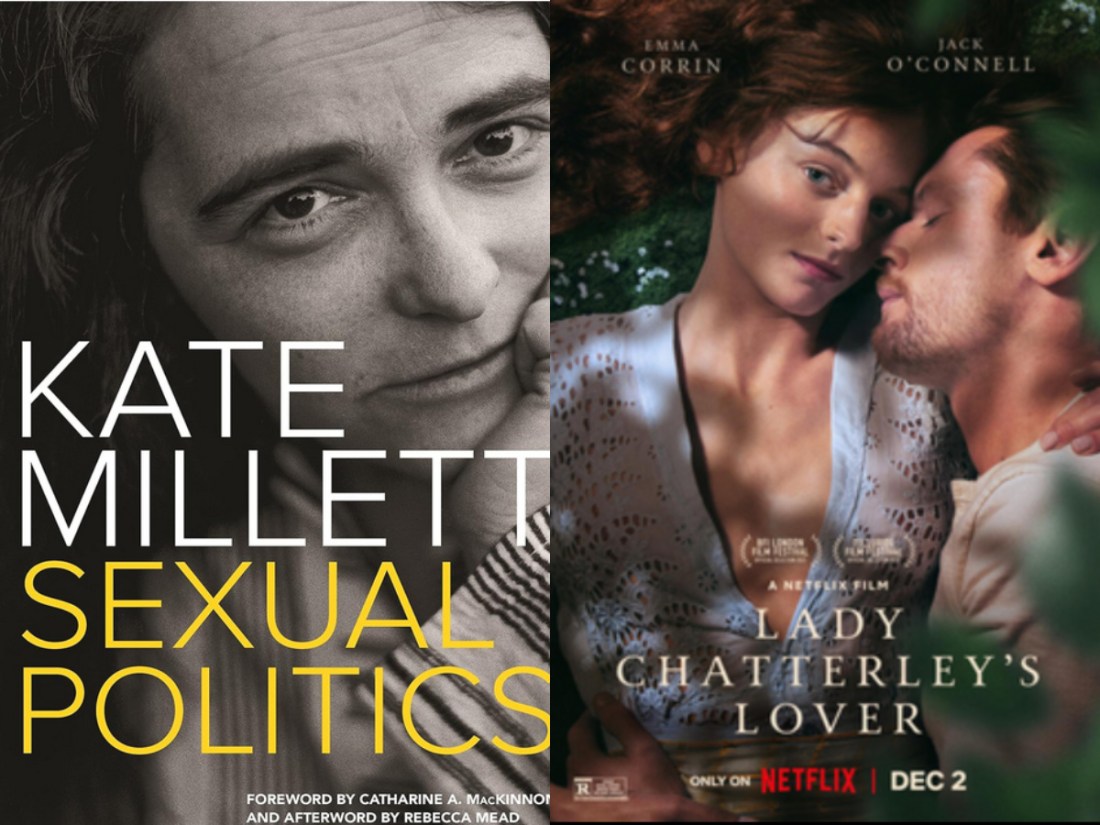
To him, Plath was ‘Laurentian’, not ‘women’s lib’ – that is, a disciple of D. H. Lawrence’s sexually liberated creative philosophy, not a campaigner for women’s rights. This line in Heather Clarke’s highly engrossing biography of Sylvia Plath, Red Comet: The Short Life and Blazing Art of Sylvia Plath, stumped me. I had no clue … Continue reading Laurentian Feminism

A Paean to the Indian Railways

I’ve always been sceptical of the nostalgia and sentimentality associated with bygone eras and yesteryears. But despite this, each and every time I step into an Indian railway platform, a wave of memories washes over me. There were the childhood journeys from Bombay to Kozhikode in the pre-Konkan era, the Madras Mail to Salem, the … Continue reading A Paean to the Indian Railways

How Population Scarcity Shaped Africa

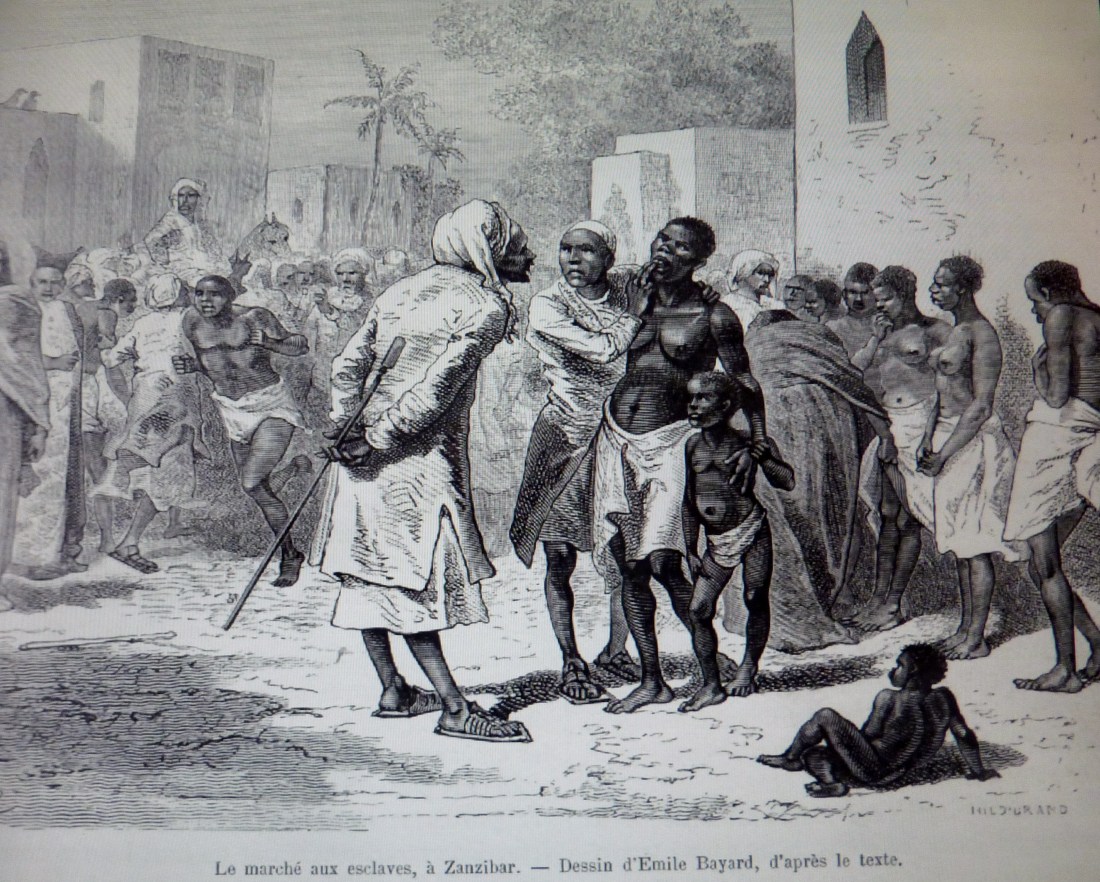
Ethnic violence, the Resource Curse and civil wars are often quoted to explain the development deficit in Africa. But a relatively little-known factor that can explain Africa’s position today is its historically low population density and its eventual role in facilitating the slave trade . Africa was historically a chronically underpopulated continent. In 1900, the … Continue reading How Population Scarcity Shaped Africa

The Dutch Disease

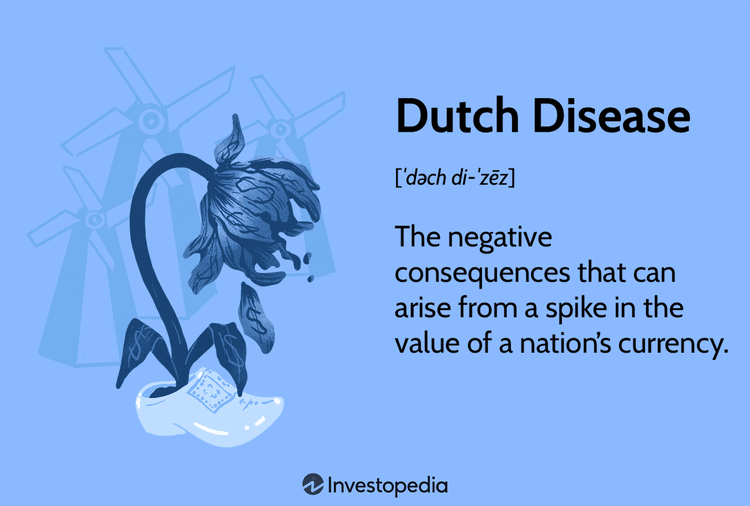
In the 1960s, the discovery and development of Europe’s largest natural gas field in the Netherlands triggered an unexpected structural shift in the Dutch economy. The surge in export revenues brought in large inflows of foreign currency, leading to an appreciation of the Dutch guilder. A stronger currency made Dutch manufactured goods more expensive in … Continue reading The Dutch Disease

A Rifle, a Photograph, and a Cartoonist

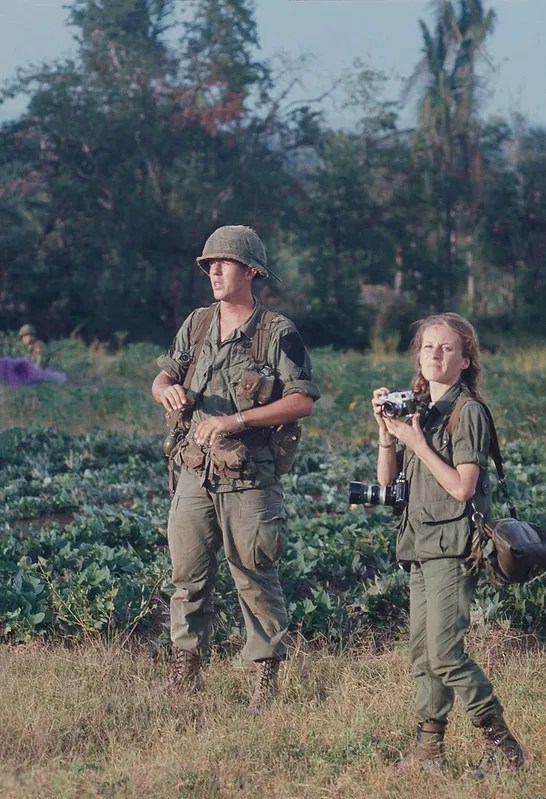
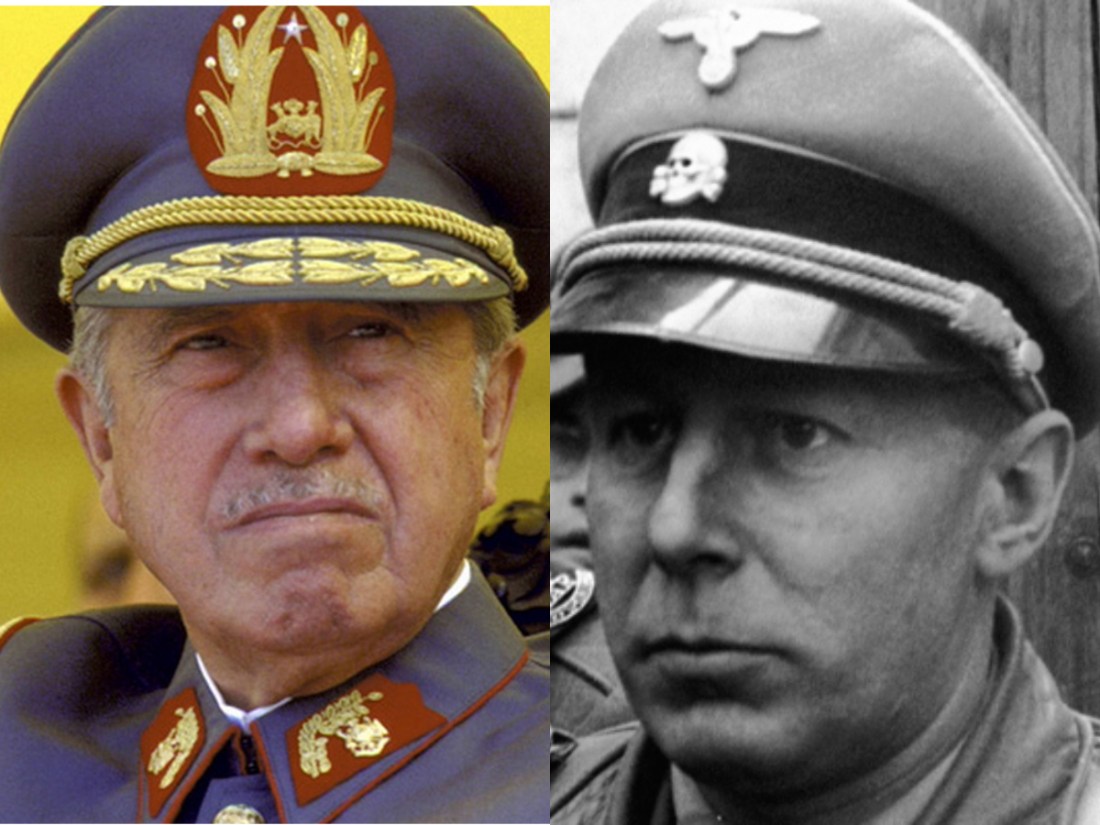
Will Eisner, is often credited to be the first person who introduced the term ‘Graphic Novel’. Today, the Eisner Awards, named after him, are the most coveted recognition for artists and publishers of comics and graphic novels. But a little known aspect of his career is the fact that before venturing into commercial comics, his … Continue reading A Rifle, a Photograph, and a Cartoonist

Photography and the Colonial Gaze

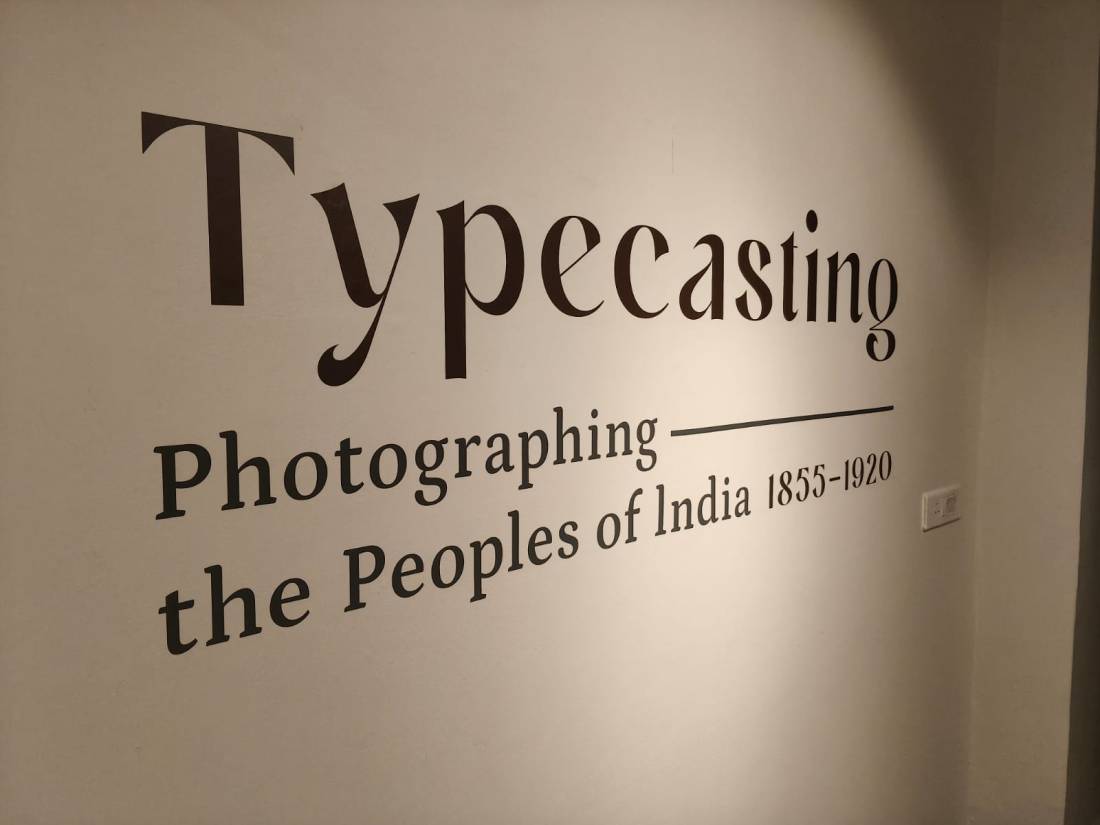
Romila Thapar’s ‘History of India’, published in 1966 begins with: For many Europeans, India evoked a picture of Maharajas, snake-charmers, and the rope-trick. This has lent both allure and romanticism to things Indian. The introduction of photography in India in the 1840s coincided with a critical phase of British colonial expansion and consolidation. What emerged … Continue reading Photography and the Colonial Gaze

The Moravia–Morante Marriage

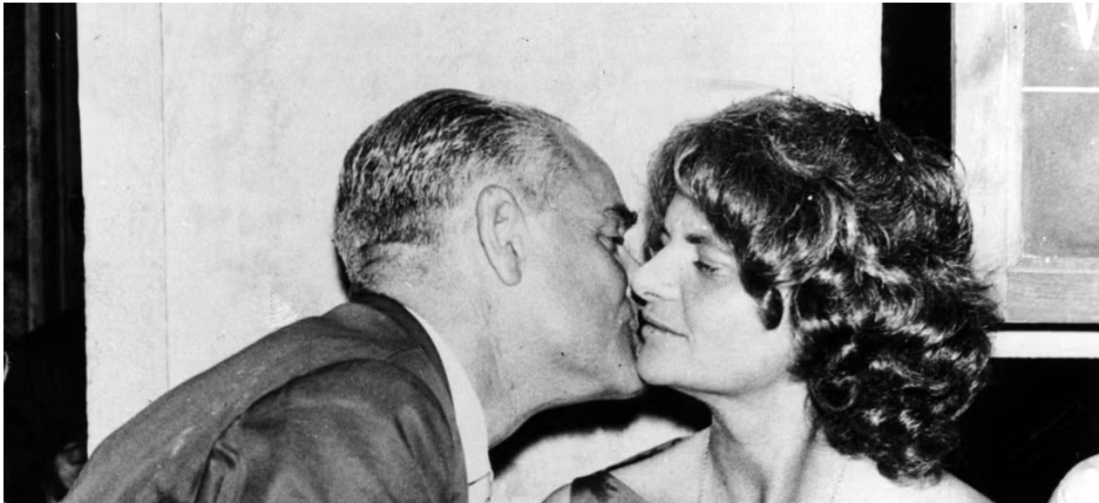
As I wrote last month, Alberto Moravia was the literary discovery of 2025 for me. His wife Elsa Morante was also a celebrated writer best known for her novels ‘Arturo’s Island’ and ‘History’. Their marriage was a stormy affair (literary icons you see), and Moravia himself had at one point confessed: There were days when … Continue reading The Moravia–Morante Marriage

The Miracle of Florence

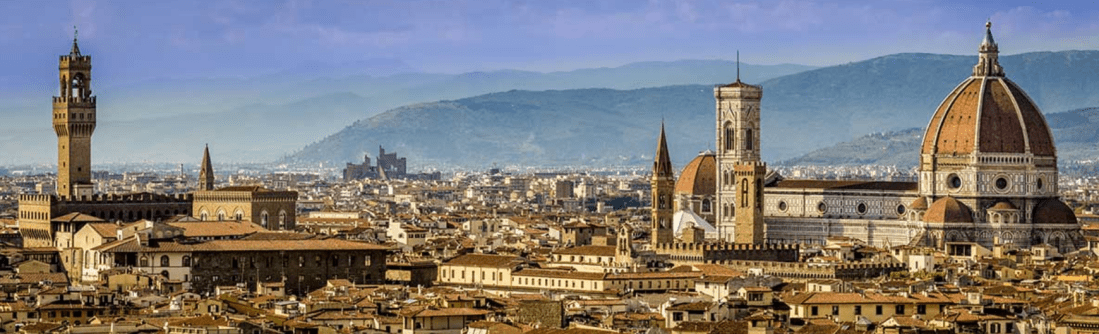
Florence today has a population of around 360,000 and an area of around 100 sq km. ChatGPT informs me that the equivalent Indian city to Florence would be Sambalpur. For nearly three centuries, beginning in the thirteenth century, Florence produced an extraordinary constellation of luminaries who launched the Renaissance and changed the course of our … Continue reading The Miracle of Florence

The Dog in Velasquez’s ‘Las Meninas’

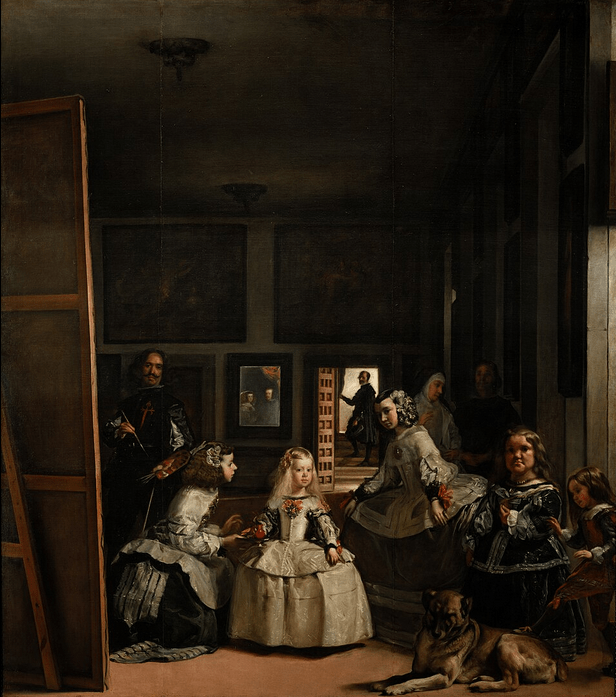
Velasquez's 'Las Meninas' - one of the most analyzed paintings in all of art history makes an appearance in Samantha Harvey's Booker-shortlisted 'Orbital'. The painting as we know is a complex take on reality, perception, reflection and interpretation. Velázquez places himself within the scene as the painter, yet the true subject of his canvas remains … Continue reading The Dog in Velasquez’s ‘Las Meninas’