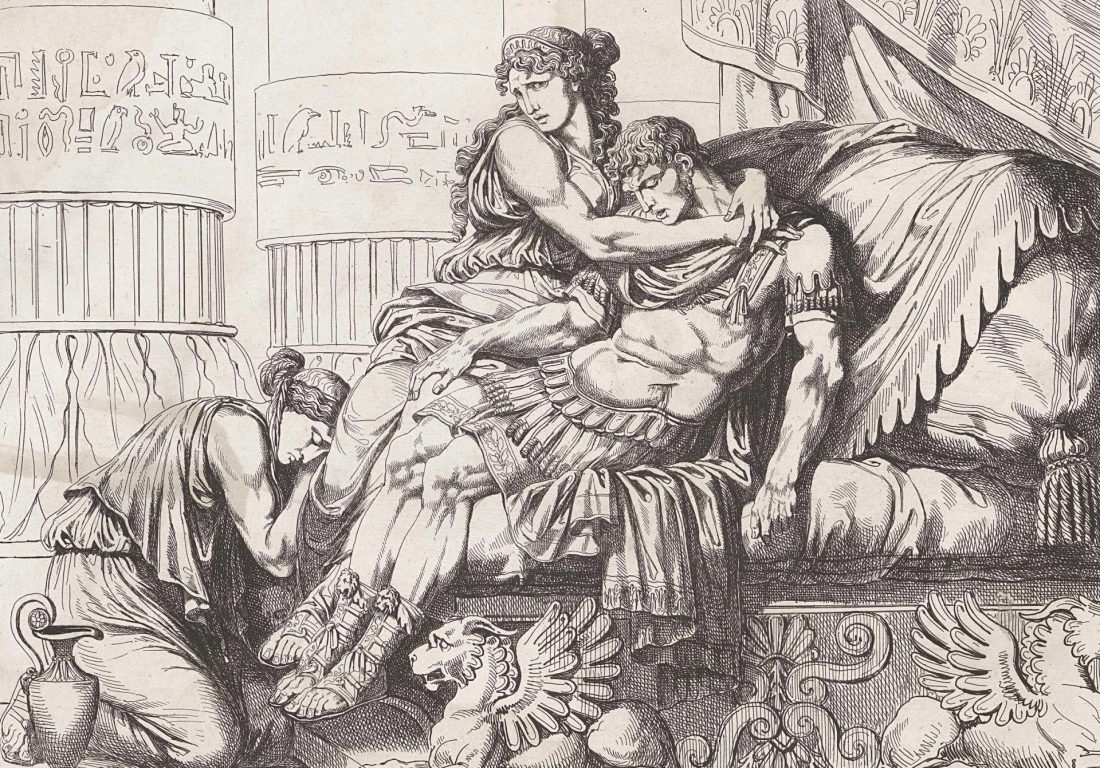
Cleopatra was not the exotic, scheming, and lustful queen of legend who ensnared Rome’s greatest men. Her affairs with Pompey, Caesar, and Antony were historic realities, but these were driven by realpolitik. As Adrian Goldsworthy writes: Cleopatra was not another Helen of Troy, a mythical figure about whom the most important thing was her beauty. … Continue reading Antony and Cleopatra
Category: Culture
Louis Wain and his Cats
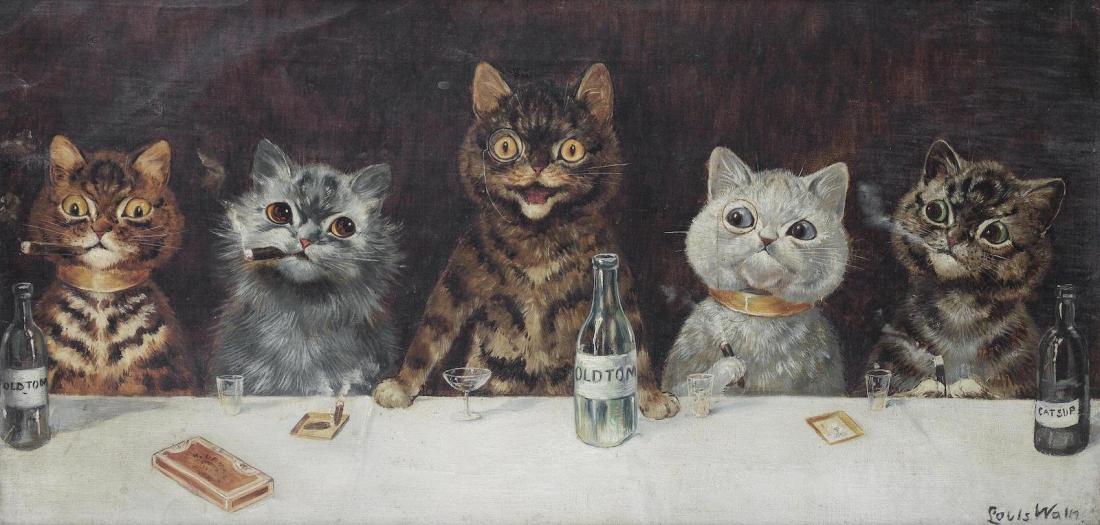
Cats evolved sometime in 7000 BC in the Fertile Crescent. But unlike dogs, they never really caught the imagination of the earliest humans. The transition of the cat from a scavenger to a cultural object began sometime in the late part of the 19th century and a lot of it was due to the art … Continue reading Louis Wain and his Cats
The Enduring Legacies of Caesar
I tried to dig out a few enduring cultural legacies of Caesar... C-Section: Caesar’s mother didn’t die giving birth to him. So the belief that he was born by a cesarean surgery has been widely discredited. Despite this, the association gave his name to the procedure. The Ides of March: referred to the 15th day … Continue reading The Enduring Legacies of Caesar
Abhishek Raghuram at IIC
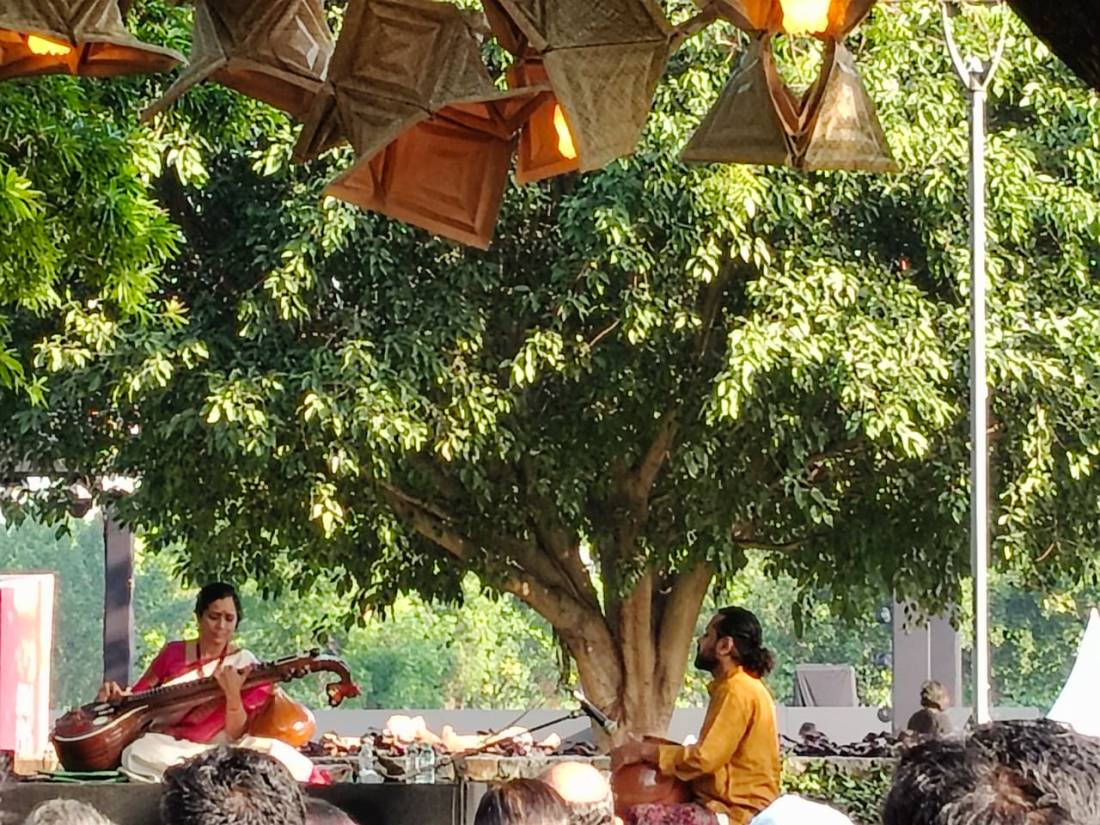
I got to hear Abhishek live after ages. He sang for close to three hours at the India International Center. Varnam in Sree Ragam Nada Tanumanisham in Chittaranjini Mayateeta Swarupini in Mayamalavagowla. (Hearing this for the first time) Thyagaraja's Aarabhi Pancharatna was the main piece. What a delight! Thaamasam En Swaami in Todi (Papnasam Sivam … Continue reading Abhishek Raghuram at IIC
The Columbian Exchange and the Dawn of the Homogenocene
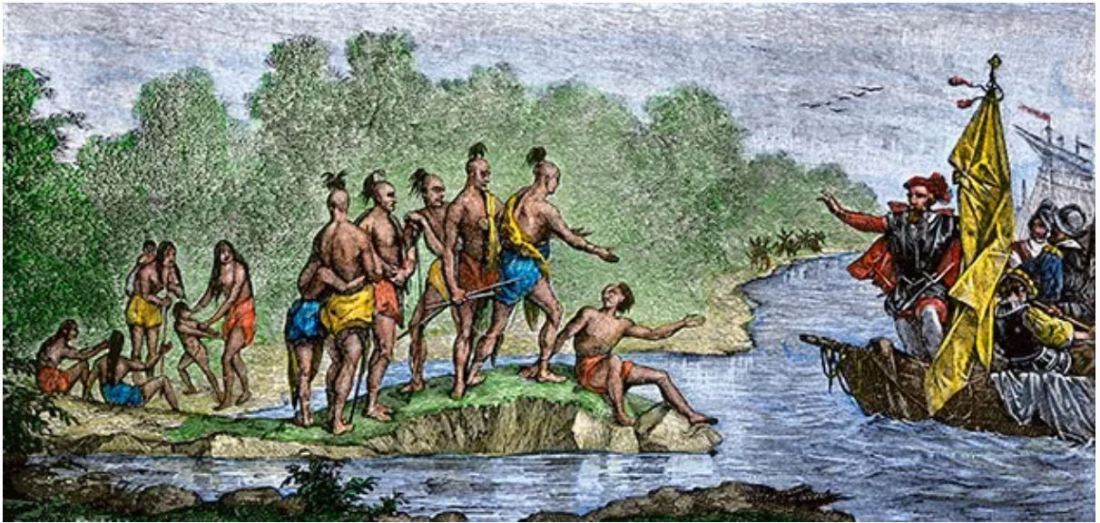
When Columbus reached the Americas in 1492, the ecosystems of the Western and Eastern hemispheres had remained isolated for millennia and were strikingly different. His voyage set in motion what has come to be known as the Columbian Exchange, a vast transfer of plants, animals, people, and diseases between the Old and New Worlds. This … Continue reading The Columbian Exchange and the Dawn of the Homogenocene
Some Kodagu Facts
Though Coorg (Kodagu) is close to Kozhikode, I’ve never visited the place. My only ‘connection’ must be the fact that Sruthi’s cousin is married to a native of Coorg. Last week, on a visit to Patna, I got to know that one of my teammates working there hailed from Coorg. In the short chat, I … Continue reading Some Kodagu Facts
Girard’s Scapegoat Mechanism and the Mahabharata
In the fable of the 'Fox and the Sour Grapes', the disappointed fox walks away at the end. He does this only because he is alone. Had there been a few more foxes salivating over the grapes, walking away would have been tough. According to the French philosopher Rene Girard, everything we desire is driven … Continue reading Girard’s Scapegoat Mechanism and the Mahabharata
On Settler Colonialism
Just as including He/She/They in your bio was recently considered an ‘in’ thing (at least until a few months ago), the term ‘Settler’ is also laden with symbolism, solidarity, and wokeness. But like many academic constructs, it does not always hold up to strong scrutiny. Settler colonialism originally referred to the process by which colonial … Continue reading On Settler Colonialism
Shtisel
I just finished watching Season 1 of Shtisel—the hit Israeli series. The show revolves around the lives of a large Orthodox Jewish family. The Haredi Jews are an ultra-Orthodox sect that shuns most forms of modernity. Television and the internet are 'prohibited' for them. They spend most of their time immersed in the Torah. Until … Continue reading Shtisel
Was Mary an ‘Intellectual’?
Zena Hitz in ‘Lost in Thought: The Hidden Pleasures of an Intellectual Life’ offers a fascinating exploration of whether Mary was an intellectual. An ancient Syriac dialogue between Joseph and Mary imagines Joseph rebuking Mary for her apparent unchastity while Mary rebukes him in turn for his inferior knowledge of the scriptures: JOSEPH: You have … Continue reading Was Mary an ‘Intellectual’?