Erica Jong burst into the literary-feminist scene in 1973 with the publication of her provocative novel Fear of Flying, a work that became emblematic of second-wave feminism. The book is also remembered for popularizing the term “zipless fuck” – a metaphor for a fantasy of a sexual encounter entirely free of emotional complications, power dynamics, guilt, or expectations
Jong shared a friendship with Ted Hughes. In his biography of Hughes, Jonathan Bate cites Jong’s vivid account of Hughes’s sexual allure echoing the philosophy of desire she articulated in her work.
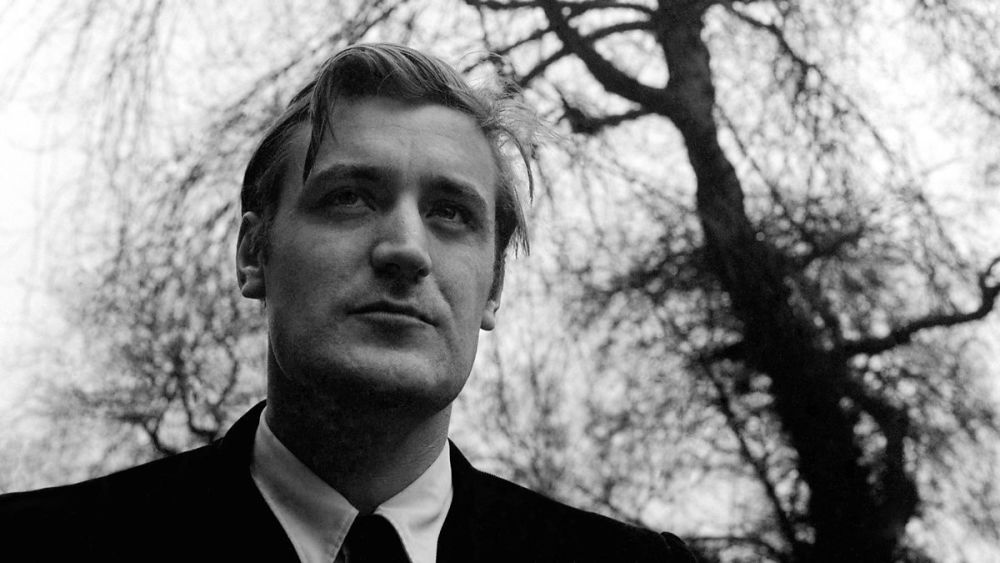
And he was deeply taken with the energy of the new people whom he met, notably the writers Susan Schaeffer and Erica Jong. The former would become a close friend, though not a lover. The latter – who had something of Assia in her dark good looks – was soon to be author of the work of unashamed sexual liberation Fear of Flying. It was there that she coined the phrase ‘zipless fuck’, which, it has to be acknowledged, is what many women wanted when they met Ted Hughes. Her recollection of his charisma may stand for the experience of dozens of females, of all ages, who attended his readings: He was fiercely sexy, with a vampirish, warlock appeal. He hulked. He was tall and his shoulders were broad. His hair fell against his broad forehead. He had a square jaw and an intense gaze and he reeked of virility. Moreover, he knew how irresistible he was in the Heathcliff fashion, and he did the wildman-from-the-moors thing on me full force when we met. He was a born seducer and only my terror of Sylvia’s ghost kept me from being seduced
….
She sat across a bar table with Ted and Luke while Ted ‘put the poetic moves’ on her. Knowing she would want a signed copy, he grabbed her Crow and sketched inside it a lascivious serpent entwining a Garden of Eden tree. ‘To Erica, a beautiful Surprise,’ he inscribed it. ‘You could inhale the man’s pheromones across the table,’ she recalled, ‘this stink of masculinity and musk that must have worked on countless girls.’ His eyes ‘held you in his gaze as if you were the only person on the planet’. The only other man of such intensity whom Jong had met was the film director Ingmar Bergman, ‘another born seducer – in the gloomy northern style’. She wondered whether ‘these men from the cold and gloomy north’ were ‘so sexy because they taunt you with the promise of sex that can melt icebergs’? Or was it the intensity of their genius – that strongest of aphrodisiacs – which made so many women swoon?
…
Jong treasured the inscribed Crow. In retrospect she wished she had given in to his charms, though in another way she didn’t, since by not consummating the flirtation she could keep Ted as her ‘secret demon’: ‘My temperature rose and with it my panic. I taxied home to my husband on the West Side, my head full of the hottest fantasies. Of course we f— our brains out with me imagining Ted.’
After Sylvia Plath’s death by suicide, Hughes was entangled with Assia Wevill, Brenda Hedden and a nurse named Carol Orchard, whom he later married. These women were the ‘ABCs of his life. This is Bate again:
He left one of his lectures to himself on the subject of A, B and C on the kitchen table in Court Green. It came to the conclusion that the right balance was three. But was he really enough of a God to maintain a trinity? He crisply summed up his dilemma in a journal entry: ‘3 beautiful women – all in love, and a separate life of joy visible with each, all possessed – but own soul lost.’ He also drafted a poem that began ‘Which bed? Which bride? Which breast’s comfort?’
Earlier piece on Plath’s first encounter with Hughes
Discover more from Manish Mohandas
Subscribe to get the latest posts sent to your email.
