I spent 24 hours in Imphal. And in that brief window, gained a glimpse into the complex, fractured society of Manipur, thanks to the company of an erudite and deeply informed local resident.
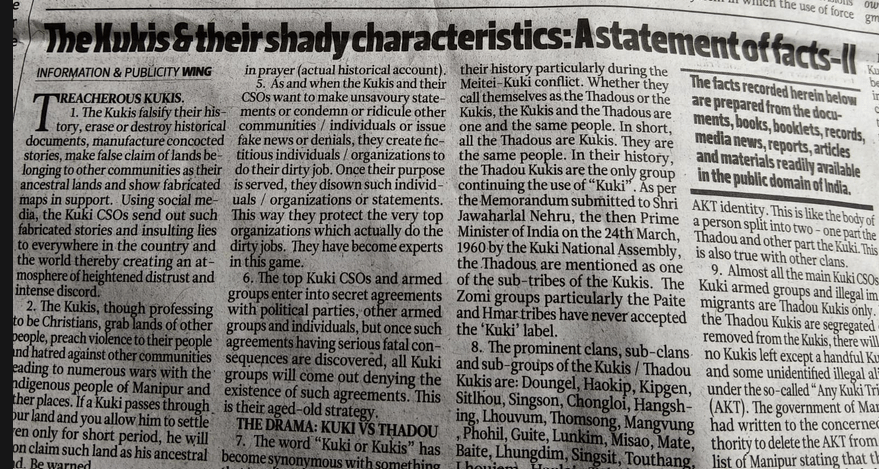
Manipur has always been a tinderbox due to its ethnic composition. The Meiteis, Kukis, Nagas and the Muslims form the main ethnic groups. But the concentration of the Meiteis in the Imphal valey and the rest of the tribes in the Hill districts, the historic Naga-Kuki tensions and the excessive claims of the Meities on development funds form the crux of the issue. From what I heard, today for any domestic travel within India, the Hill tribes now rely on choppers to bring them to the Imphal airport as the roads are still considered ‘unsafe’. The ongoing tensions was best exemplified by this piece in the Edit page of today’s People’s Chronicle – a Meithi newspaper that was slipped into my hotel room. I haven’t seen anything like this in any newspaper in India.
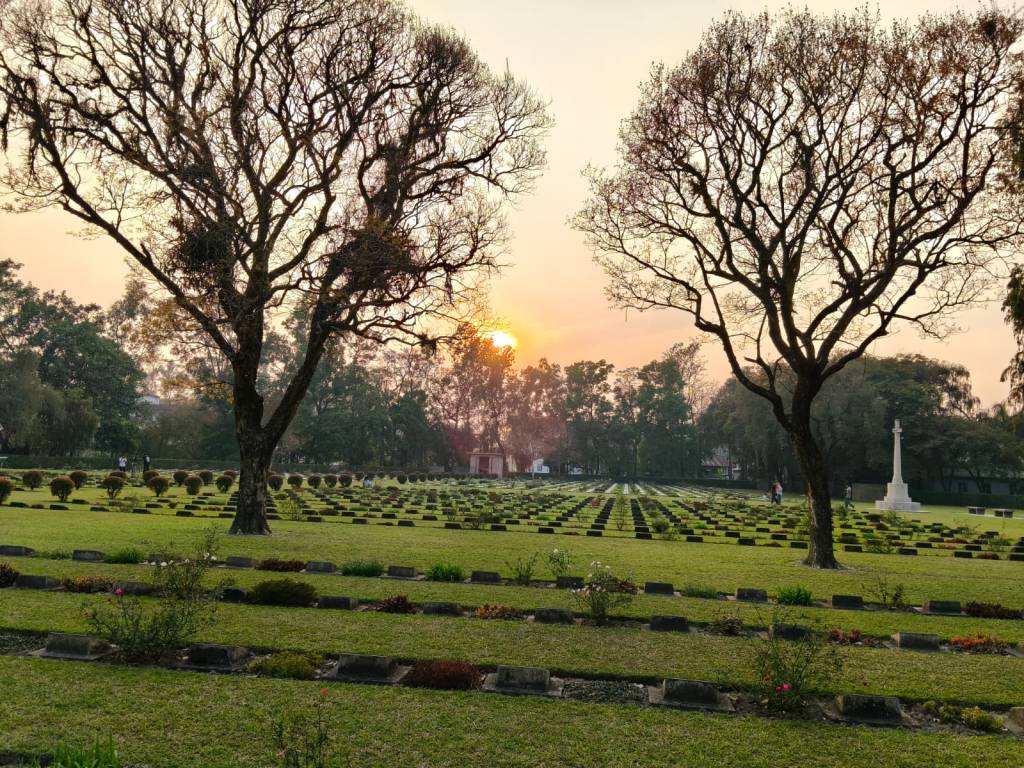
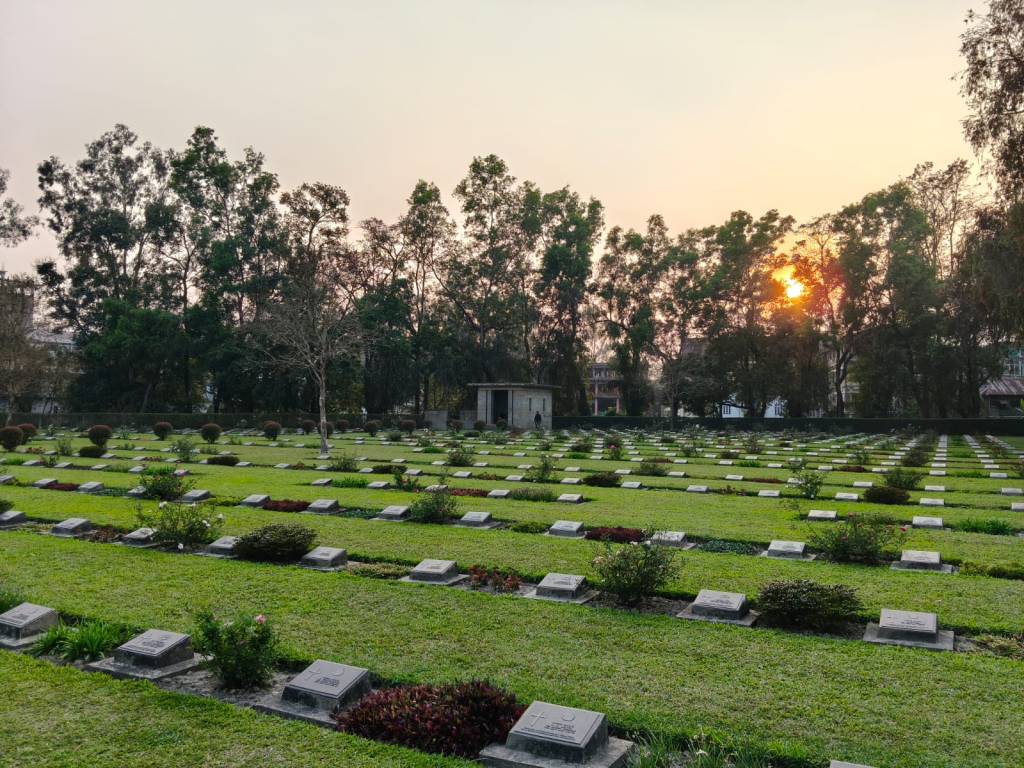
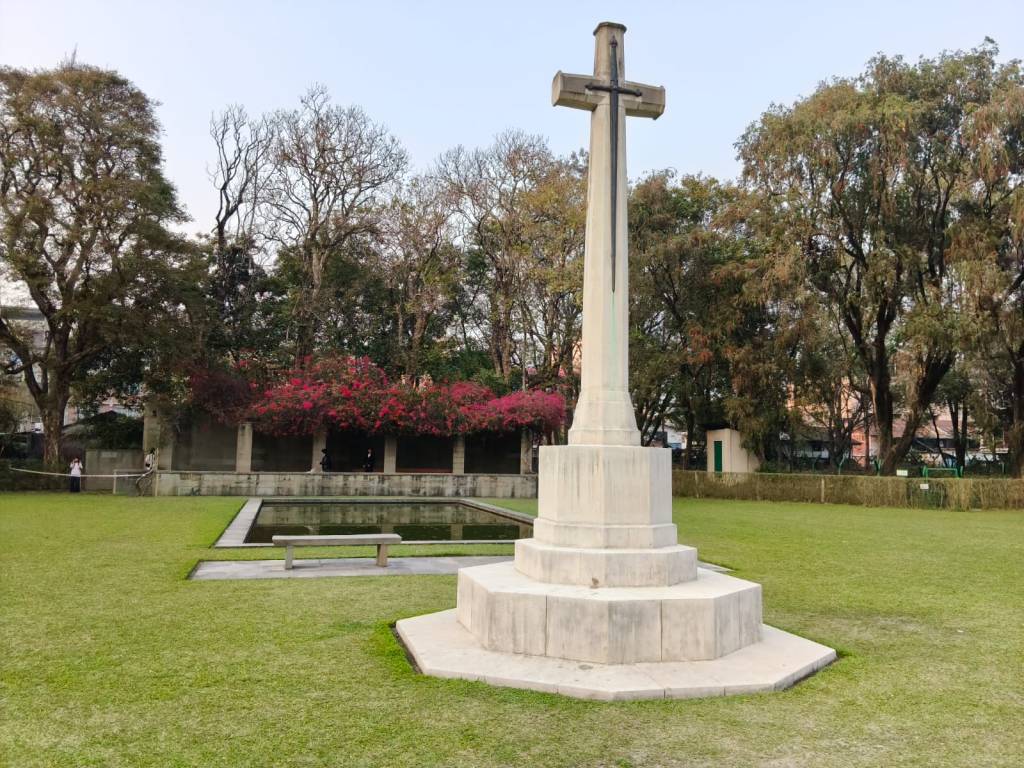
Rain played spoilsport. So the only spot that I could visit after my meetings was the Imphal War Cemetery commemorating the soldiers who died fighting what was arguably one of the greatest battles of the Second World War – The Battle of Imphal.
After the fall of Burma, the British were forced to make a hasty retreat and this episode had far-reaching impacts on India’s economy. It marked the end of the Chettiars’ rule over the Burmese economy, the rice shortage due to the fall of Burma led to substitution by rava in dosas and the fall is also attributed to the Bengal famine of 1943. In order to defend Burma, the Japs were clear that the only flatland in all of the surrounding mountainous territory, from which a British attack could be mounted, had to be taken. And that flatland was the Imphal valley. The Americans on the other hand wanted to retake Burma to keep their supply lines to Chiang-Kai-shek open, arm the Chinese to bog down the Japanese and prevent any re-deployment to the Pacific where an island-by-island capture with heavy causalities was being undertaken by the Americans. (Older post on the Pacific Theatre of WWII)
In this mix was also Bose’s INA. Bose hoped that once the INA had broken through into India with Japanese help, it would be welcomed by ordinary Indians. He hoped to then begin a ‘march to Delhi’ and liberate India from the British.
Hemant Singh Katoch in India’s Historic Battles: Imphal-Kohima, 1944 writes:
The period of 1942–45 was, in a sense, the last time the world came to visit the Northeast. There were the Americans who flew the Hump route to China, as well as those involved in the construction of the Ledo or Stilwell Road. Merrill’s Marauders passed through en route to Northern Burma. Members of the American Field Service helped evacuate casualties from the front at Imphal. Canadians, Australians and New Zealanders also flew Allied planes, notably to assist in the defence of Imphal and Kohima in 1944. Chinese soldiers were in the region. Many flew in over the Hump to the airfields around Dibrugarh and went on to central India for training. They returned to carry on to Northern Burma as part of X Force. The Japanese came attacking the Fifteenth Army in Manipur and the Naga Hills as part of the U-Go offensive.
Indians from Southeast Asian countries came to Manipur as part of the INA, facing off with Gurkhas from Nepal as well as other Indians from different parts of the country in the British Fourteenth Army. The latter fought alongside many fellow soldiers who would go on to become Pakistanis and Bangladeshis after 1947 and the creation of Bangladesh in 1971. Perhaps most intriguingly, soldiers from several African territories ruled by the British came to Northeast India during the war. These included places that would later go on to become independent African countries, such as Kenya, Tanzania, Malawi and Uganda, among others. The African soldiers entered the Kabaw Valley in Burma via Imphal to go after the retreating Japanese following their defeat at Imphal and Kohima.
Over dinner, I got a quick recap of the Naga-Kuki conflict of the 80s and 90s, the 2004 women protest against the Indian army, Irom Sharmila’s fast, the ability of Manipuris to identify ethnicities through dialects and physical features, the HIV burden of the state due to its proximity to the Golden Triangle, the influence of Christianity on dating norms, the Meithi movie industry’s rise with the 90s ban of Bollywood, etc.
The Bir Tikendrajit Airport had a unique offering – a community-driven free library.
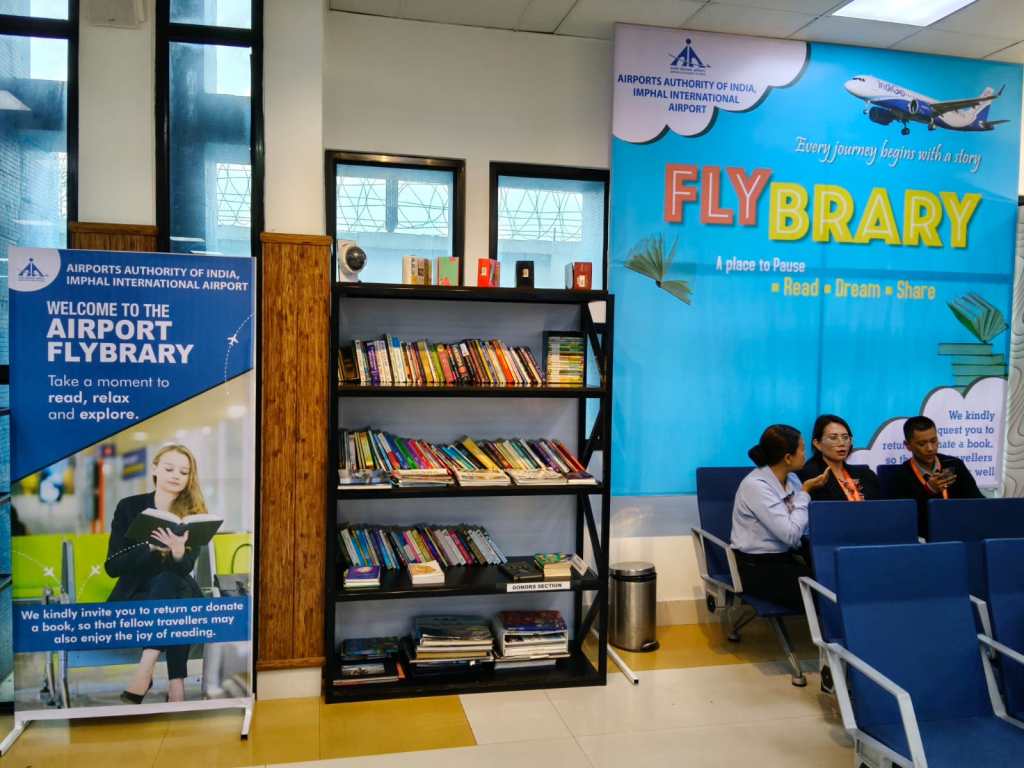
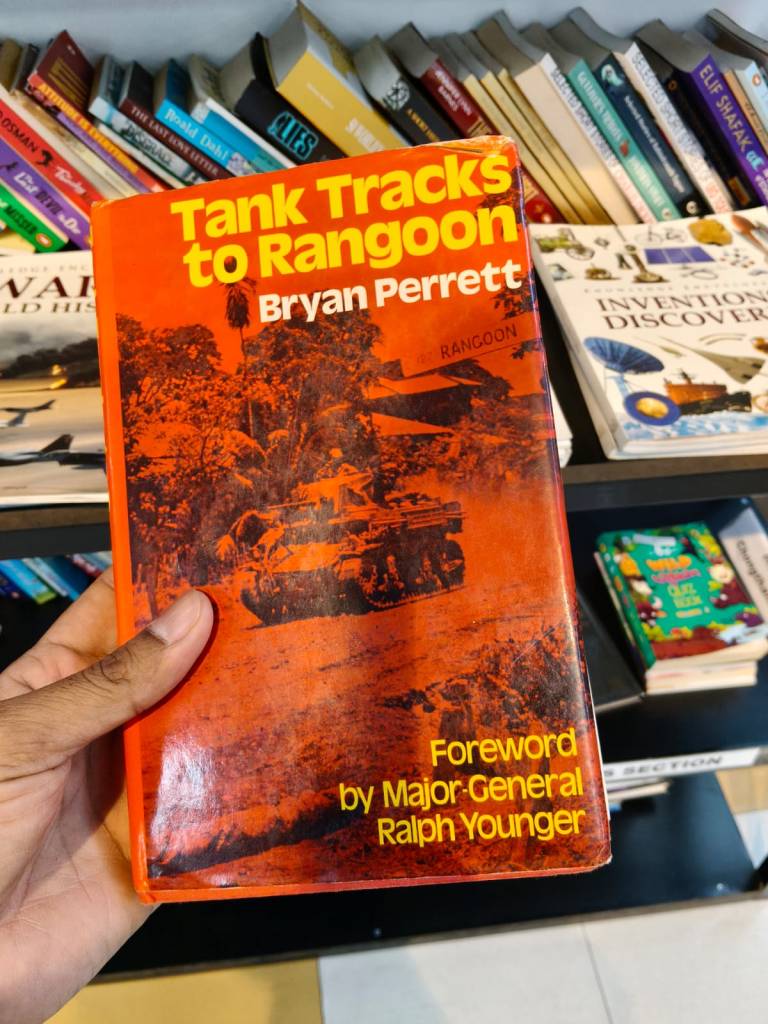
I should also re-read Raghu Karnad’s ‘The Farthest Field‘ which documents India’s participation in WWII and also deals with the Battle of Imphal in detail. Karnad’s grandfather’s memorial was pointed out to me by my friend in the cemetery.
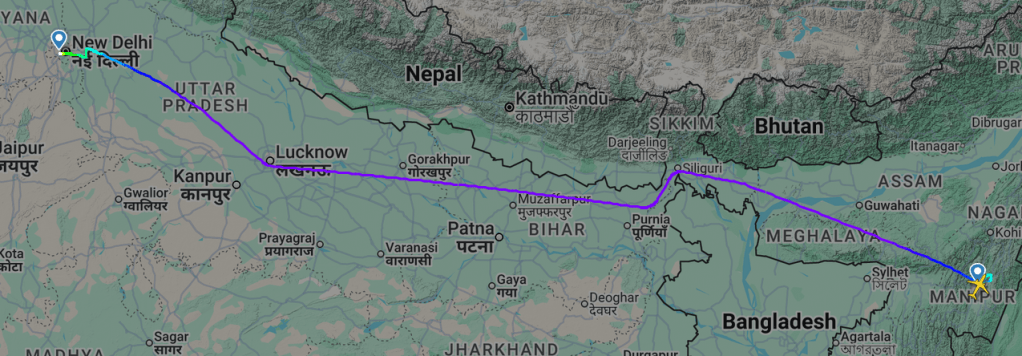
Unlike the Agartala-Delhi sector, the Imphal-Delhi flights don’t fly over Bangladesh but instead enter the mainland through the ‘Chicken’s Neck’, offering some spectacular views of the Himalayas.
Discover more from Manish Mohandas
Subscribe to get the latest posts sent to your email.
