The Wuthering Heights adaptation has been all over the news for various reasons. So I first read Bronte’s novel and then went to check what the fuss was all about. The Margot Robbie-Jacob Ellordi starrer wasn’t great but it wasn’t terrible too. The childhood bond between Heathcliff and Catherine was tenderly captured. The interior design of the Linton household was extravagant and decadent and was in stark contrast to the Earnshaw residence. But all the buzz about the on-screen passion, the raw sensuality and the BDSM stuff were overrated and barely registered with me.
The characters of Bronte’s novel are hard to categorize. Heathcliff and Nellie are probably the weirdest characters in all of literature and its even more hard to believe that their complex psycho-sexual outlook was crafted by a novelist who was allegedly single at the time of writing. The movie ends with Catherine’s death and doesn’t dwell too much on the macabre coffin scene. Radhika Jones ends her New Yorker piece ‘The Timeless Provocations of “Wuthering Heights” (the Novel)’ with this banger:
In Fennell’s previous film, “Saltburn,” she cemented her reputation as a provocateur with a sequence in which the main character strips down and humps his former friend’s grave. I see that scene and counter it with this one from Brontë: seventeen years after Cathy’s death, as her husband, Edgar, is being laid to rest beside her, Heathcliff persuades the sexton to open up Cathy’s grave, ascertains that she has not yet begun to decompose (“I saw her face again—it is hers yet . . . but he said it would change, if the air blew on it”), and then bribes the sexton to remove a side from each of their coffins once he is buried there, too, so that they can commingle for eternity. It’s a deliciously subversive image, and diabolically timeless.
Most of my friends who worship the original have disapproved of the movie due to the liberties that Emerald Fennell took with the story. In my opinion, the classics are timeless for a reason. They are immune to all sorts of interpretations, and they remain as fresh as ever in every reading. So, all quirky and off-tangent takes must be cheered.
Now, about the WH rabbit hole that I went into.
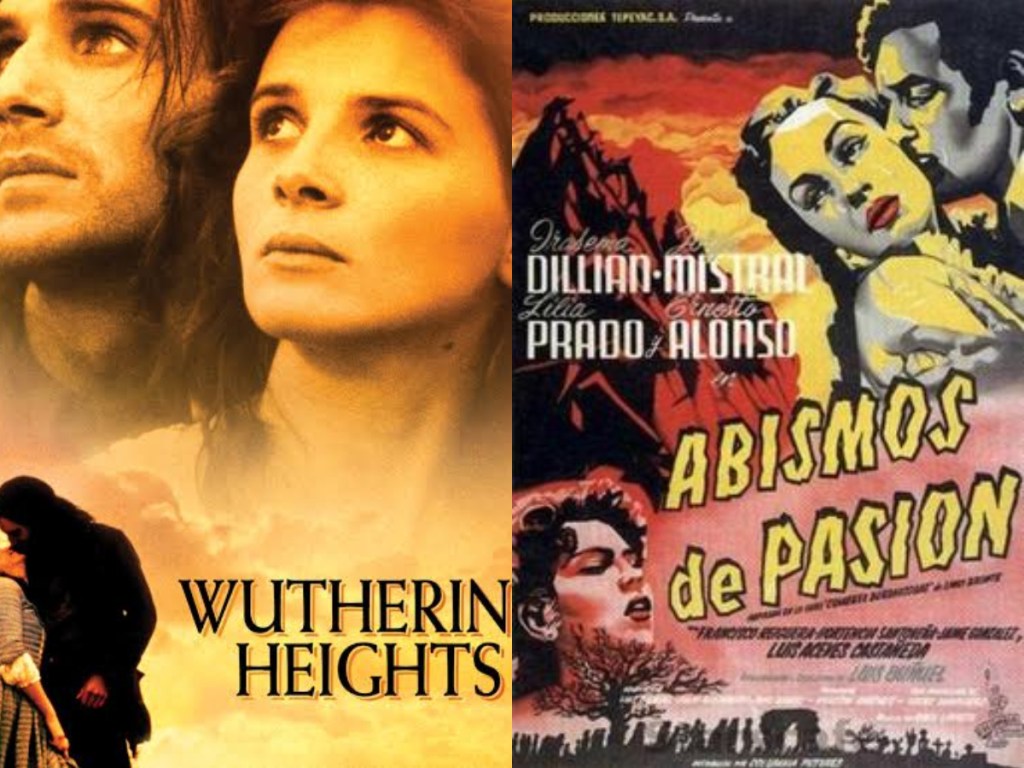
In 1992, there was a Ralph Fiennes-Juliet Binochet adaptation. That one was faithful to the original but literally put me to sleep. It was so dull. The surrealist Luis Buñuel’s 1954 adaptation, Abismos de pasión was also a dud and over the top.
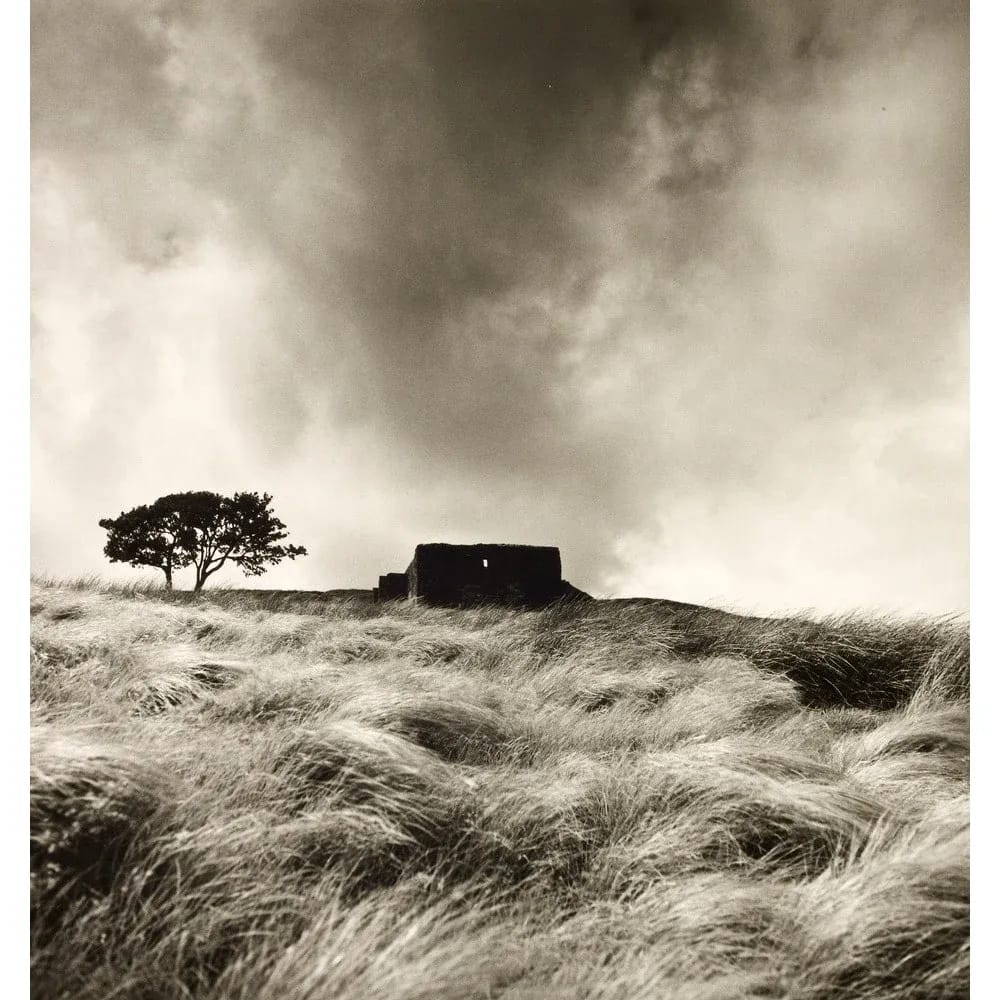
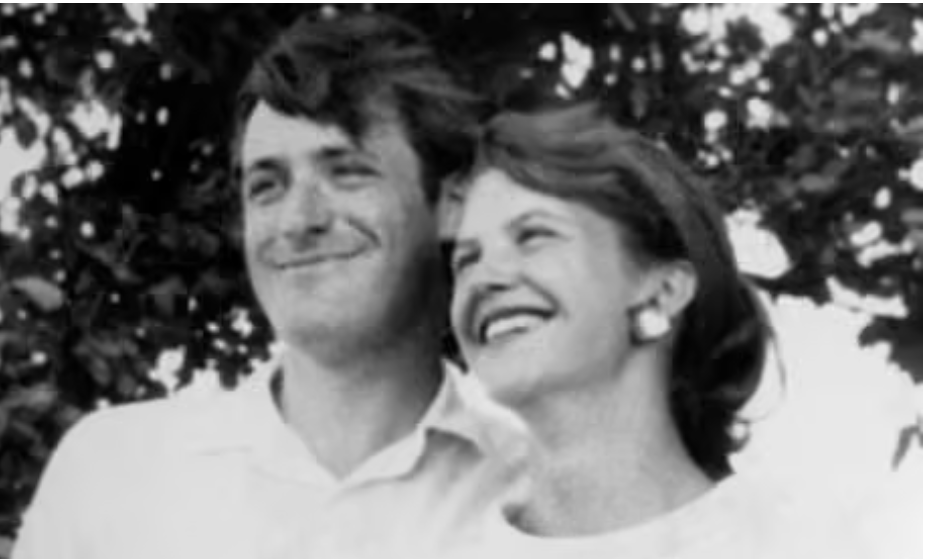
The reviews by Anna Gat (who runs Interintellect) and the scholar Jonathan Bate were particularly good. It was from Bate’s review that I learnt that both Ted Hughes and Sylvia Plath had visited the site of the original WH in Yorkshire in 1956. After their visit, both of them crafted a poem about their experiences. For Plath, the landscape and its bleakness mirrored her mind. It was desolate, windswept, and psychologically charged. While for Hughes, writing years after Plath’s suicide, the memory was all about the elements. The wind, the stone, and the weather and ofcourse his reflections on Plath…
You breathed it all in
With jealous, emulous sniffings. Weren’t you
Twice as ambitious as Emily? Odd
To watch you, such a brisk pendant
Of your globe-circling aspirations.
Among those burned-out, worn-out remains
of failed efforts, failed hopes –
Iron beliefs, iron necessities,
Iron bondage, already
Crumbling back to the wild stone.
Bate has also authored a 600-page magisterial biography of Ted Hughes. I’m tempted to devour it soon. I’ve always been intrigued by the man whose wife killed herself by inhaling gas from an oven.
Years ago, a friend, noting my sarcasm and cynicism, told me I reminded her of Hughes’ ‘Hawk Roosting‘
Discover more from Manish Mohandas
Subscribe to get the latest posts sent to your email.

2 thoughts on “The ‘Wuthering Heights’ Rabbit Hole”