During the Christmas break, I spent three days visiting Kerala’s most celebrated tourist destination – Munnar. The place lives up to its reputation for natural beauty. Contrary to my expectations, the ‘concrete jungle’ that I was bracing for was largely absent for most of the trip.
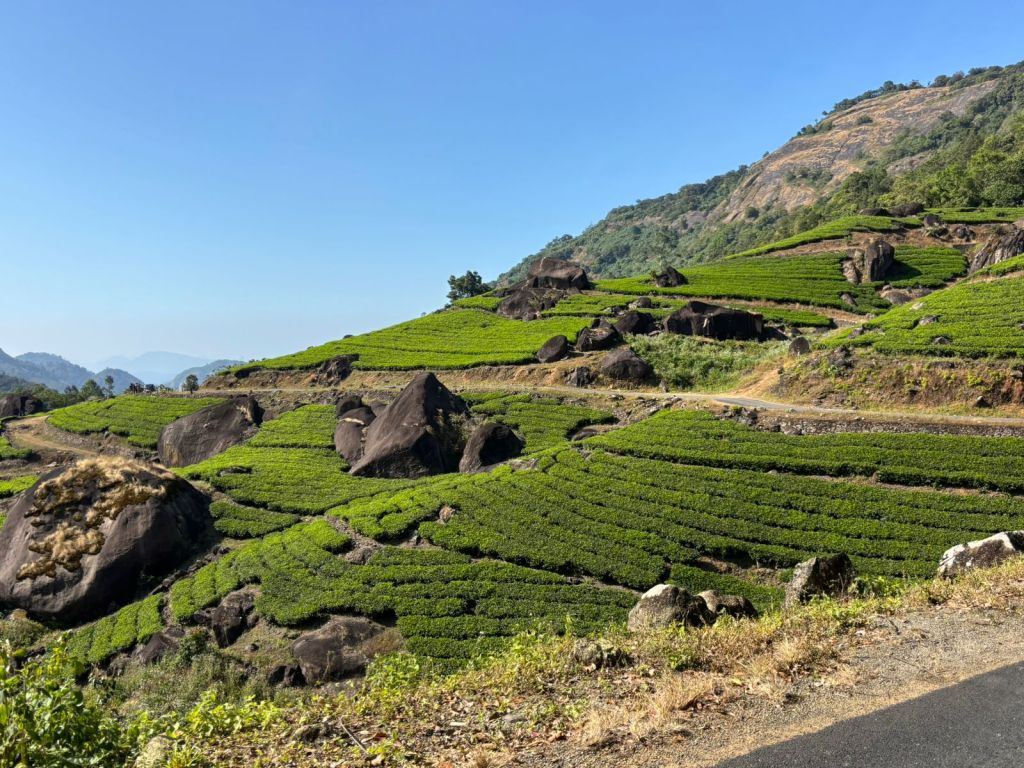
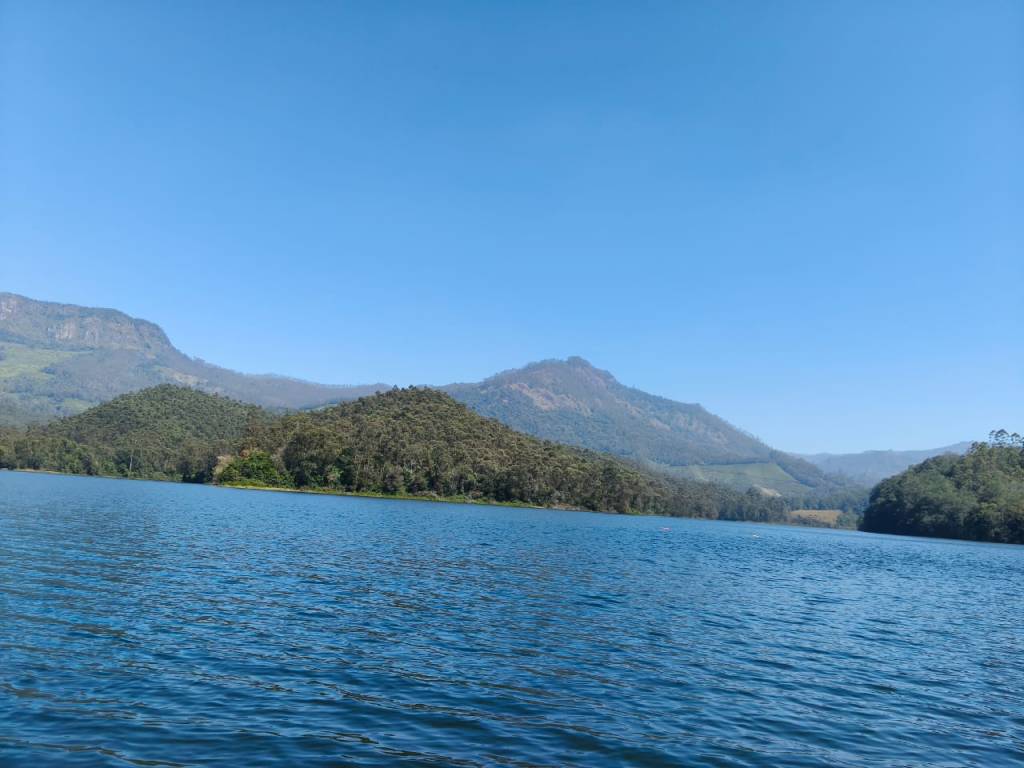
But the tragedy was to see how rudimentary most of the tourist services remain even today. After more than two decades of the ‘Gods Own Country’ and ‘Incredible India’ campaigns, the whole place appeared to be caught in a time warp. While I understand the romanticism of seeing the local community living in ‘harmony’ with pristine nature, the numerous tea shacks dotting the various bends felt less like charm and more like evidence of a failed tourism model. Tourist spots lacked even basic organization: parking was ad hoc, trails were marked by ropes strung between poles, and there were no signboards, information centres, or brochures in sight. Unsurprisingly, the visitors at most sites resembled people like me—middle-income, low-spend tourists—drawn by beauty but offered little opportunity, to engage more deeply or spend more meaningfully.
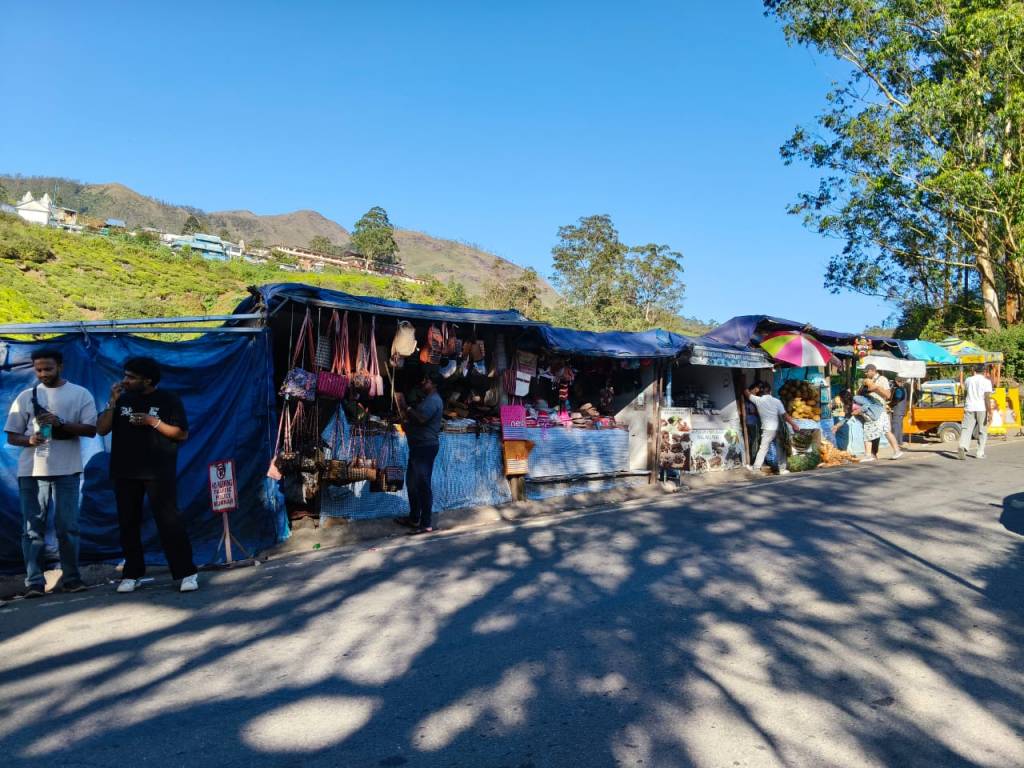
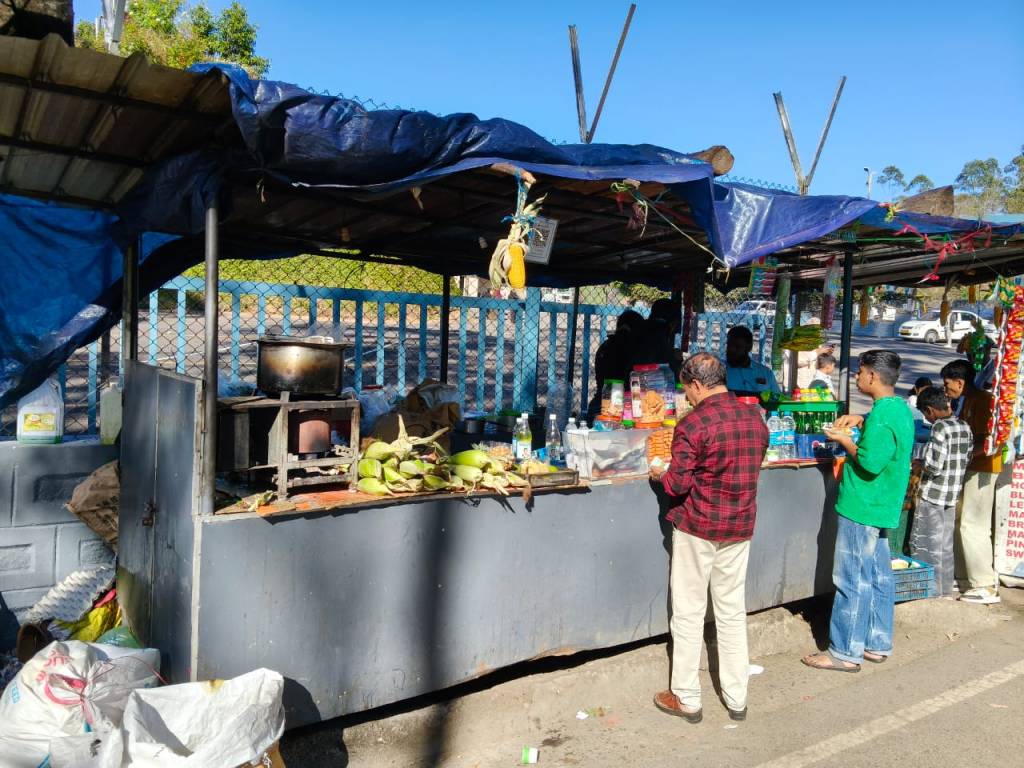
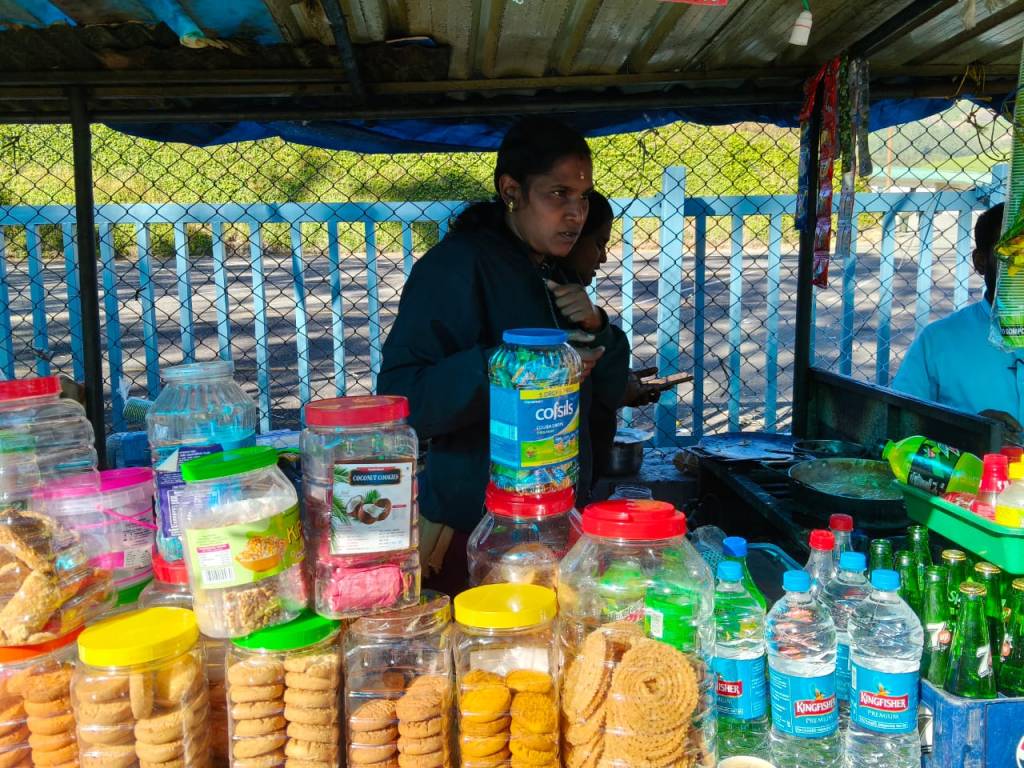
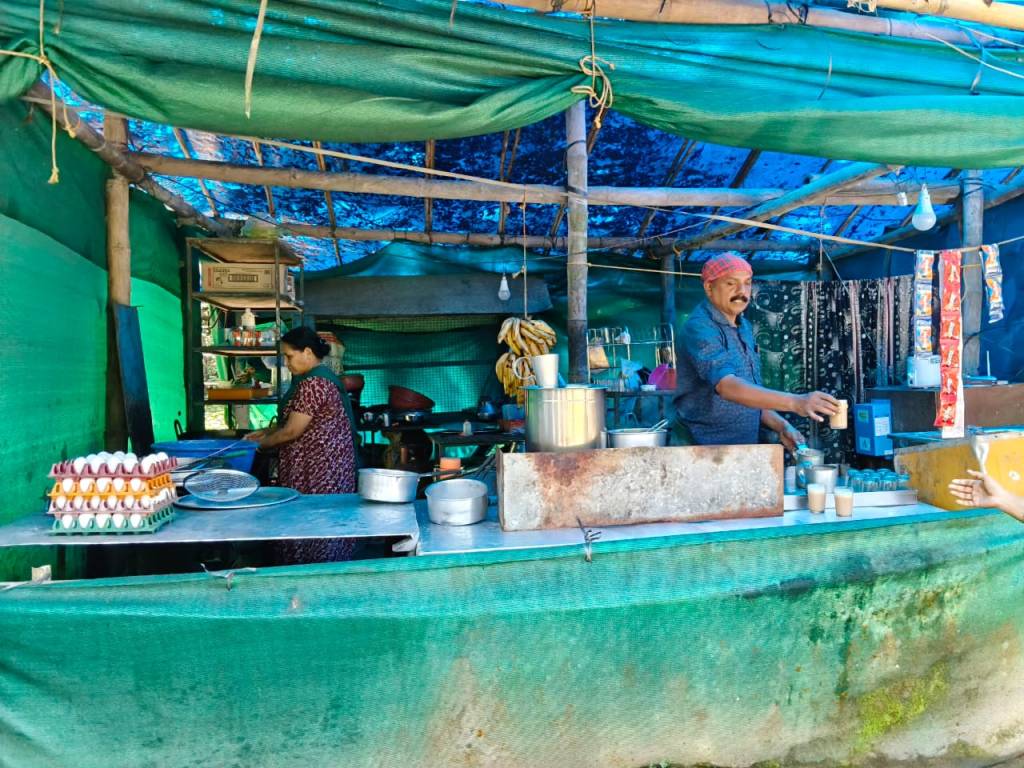
The high end resorts are all tucked deep inside the tea estates and I suspect that there’s a parallel high end luxury offering to the visitors. But when the prime public facing attractions are so poorly managed, high value tourists have little incentive to spend beyond what is offered within these resorts— spas, gourmet dining, and Ayurvedic treatments.
The issue is not who the tourist is, but how much value the destination is able to capture per visitor and how widely that value circulates in the local economy. From what I saw, this was clearly not in display. What Kerala needs to think about is how to shift the tourism model from enclave based spends to a more community integrated model attracting higher value tourism. And for this, the destinations should be spruced up. The statistic to be tracked must move from the number of visitors to the average spends by each of these visitors.
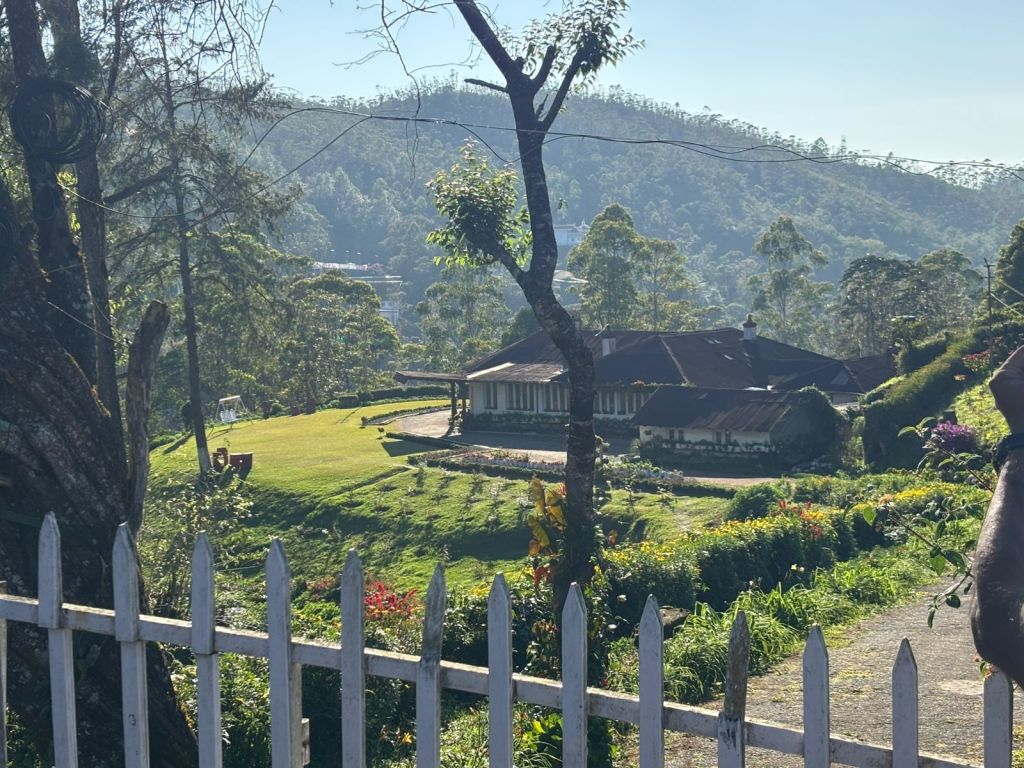
BSNL was the only network that functioned once we left the town limits. The explanation was that the tea plantations are all on lease to the private companies which prevents them from any additional constructions including mobile towers. The TATAs run a small Tea Museum which has some exhibits on the geological, economic and colonial history of Munnar. The company is now run through a participatory cooperative model in which the workers too have a stake. The museum walk-guide was passionate and took pains to explain the steps involved in tea-processing.

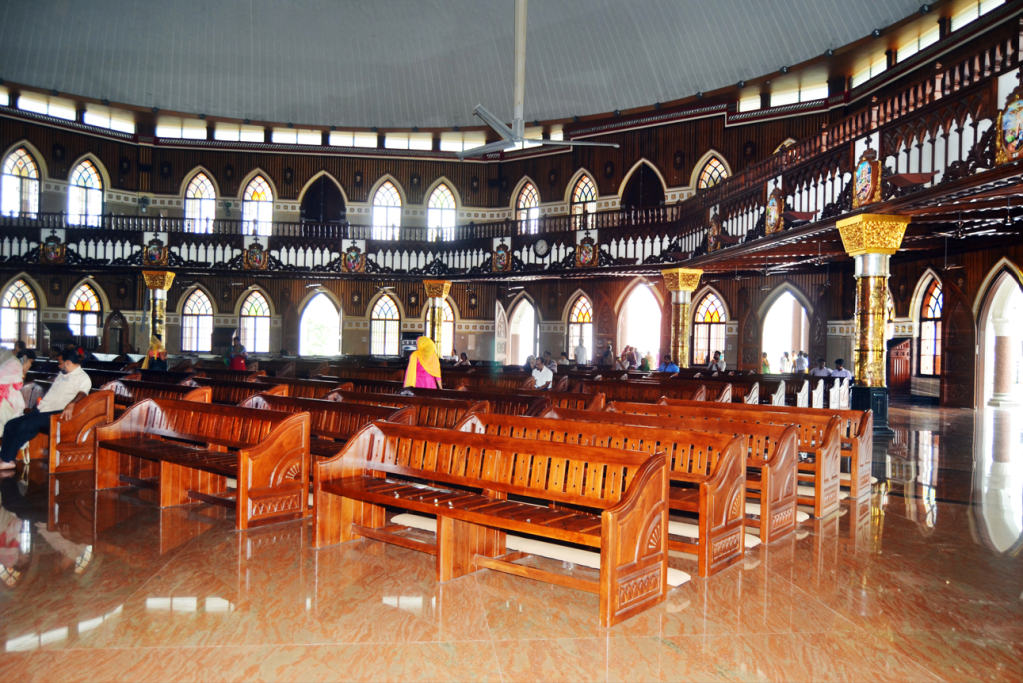
On the way back to Kozhikode, we also stopped by to check out this monstrosity – the St George Church in Edappaly, Kochi:

According to their website:
Asia’s largest shrine to Saint George, about five million people visit it every year. The church is thought to have been founded in 593 AD. It is regarded as one of the oldest churches in Kerala, after the seven churches founded by Thomas the Apostle in the first century AD.
But I couldn’t find out which is the biggest shrine to St. George in the world. The earlier church still functioning within the premises, had a nice vibe compared to the new massive building. The ceiling fans inside the church are definitely the biggest that I’ve ever seen in my life. My dad quipped that they looked powerful enough to lift up the congregation – an apt metaphor for those gathered there, where everyone is, in one way or another, looking upwards.
Discover more from Manish Mohandas
Subscribe to get the latest posts sent to your email.


Thank you for sharing this experience, found interesting.
LikeLike