
Small Things Like These: The adaptation of Claire Keegan’s Booker shortlisted novella was more or less true to the book. The plot revolves around a coal merchant’s encounter with a girl at a Magdalene Laundry (the notorirous Catholic-run institution in Ireland, which triggers memories of his own mother’s own precarious past as an unwed mother. (An earlier post on the book)

A Midsummer Night’s Dream: I found this movie silly despite being an adaptation of one of the Bard’s most beloved plays.
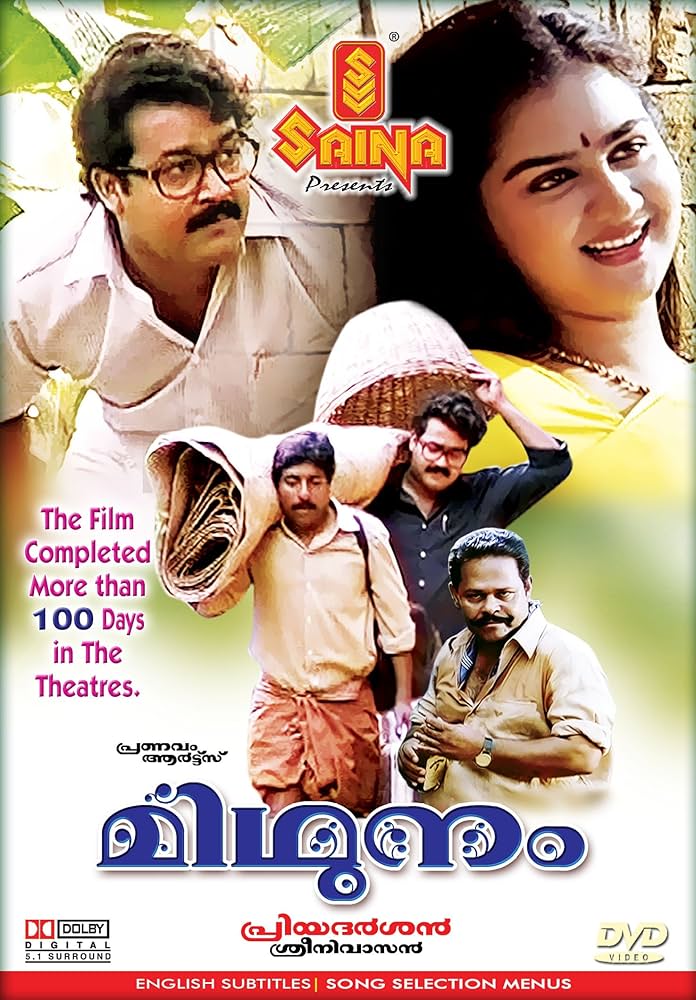
Midhunam: Rewatched this with Sruthi who was watching it for the first time. Byond being a drama of a struggling entrepreneur having to also handle a nagging bride, the movie comically encapsulates the License-Raj system that prematurely decimated the MSME sector of India.

I, Claudius: The adaptation of Robert Graves’ novel by the same name covers the salacious highlights from the time of Augustus to the rise of Nero. The whole series is available on YouTube. Livia, (Augustus’ wife) is the center of the series and it covers most of her machinations to ensure her descendants survive. Brian Blessed, essaying the role of Augustus was the standout performance. :

The Woman in Cabin 10: Few thrillers impress me these days since the quality of a thriller lies in the manner in which the deception gets revealed. The main revelation wass that Keira Knightly, like me, has aged.

Slow Horses (Season 5): The latest season dropped in October and just like the book on which it was based (London Rules), it didn’t disappoint. . As Sruthi hadn’t watched the earlier seasons, I ended up watching the whole series again! No regrets. This is visual storytelling at its best. Gary Oldman is just outstanding as Jackson Lamb. (Earlier post on the series).

Rondhu: It’s about a single night of patrolling by a beat constable and his reporting officer — a routine duty that spirals into something macabre..This genre of Malayalam cinema is getting slightly tiring – low budgets, intense psychological tension, tragic betrayals, police brutality, and a sprinkling of crude language — all wrapped in moody lighting, silences, and a brooding sense of moral decay that’s starting to lose its edge through repetition.
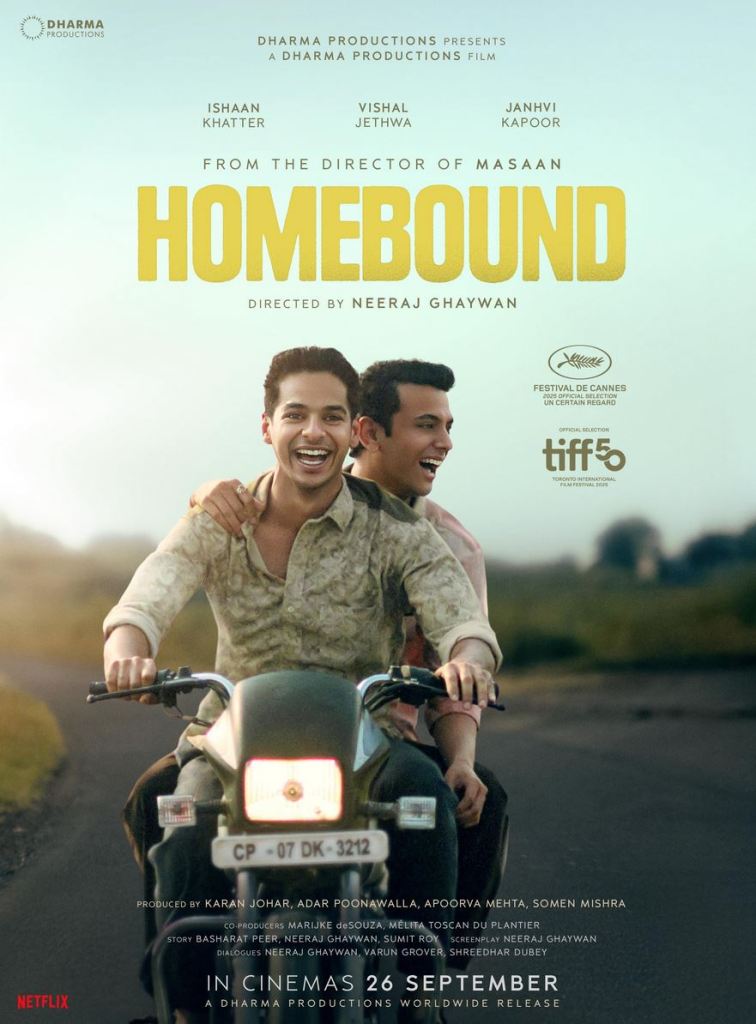
Homebound: Caught this in the cinema. The competitive-exam mania for government jobs – the only route for upward mobility for millions in our country was beautifully portrayed. The second half is centered on the brutality of the COVID lockdown. The movie was based on Basharat Peer’s NYT piece which was a reconstruction of a photograph of a Muslim ladseated by a highway, holding his childhood Hindu Dalit friend in his lap after he had collapsed from heatstroke. We all had it so easy for us – delivery apps, Netflix on demand, zoom calls and what not! It’s heartening to see such cinema being made. This Op-Ed by Shailaja Chandra in which she questions the indifference of the Indian moviegoing audience towards such cinema, is also worth reading. Neeraj Ghaywan is a person whose work needs to be celebrated and tracked.
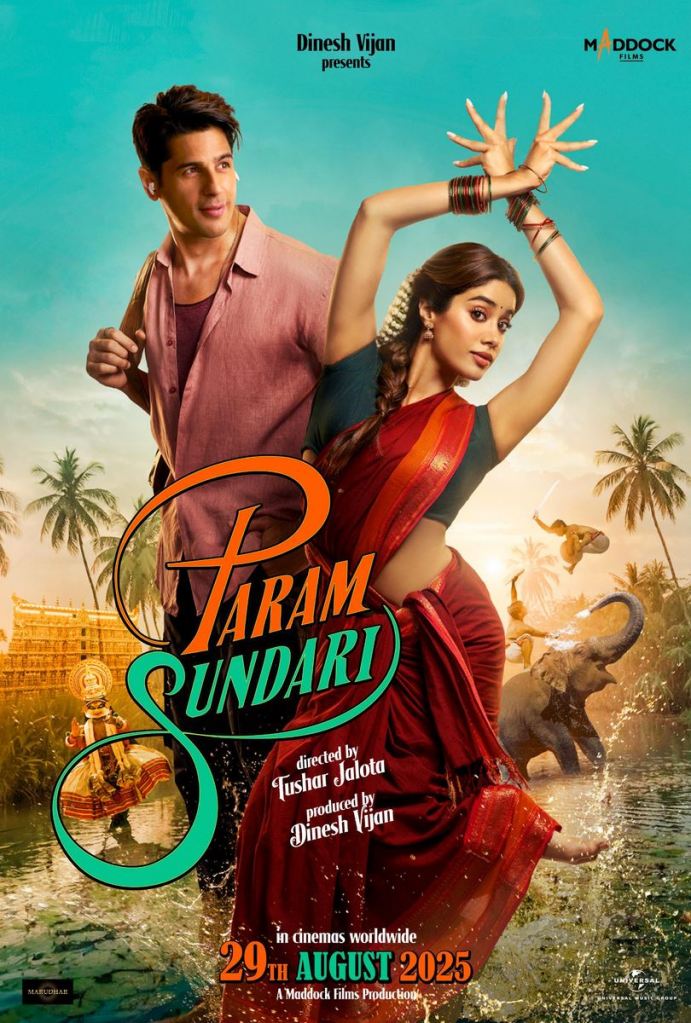
Param Sundari: My Trisha can speak better Malayalam than Sundari.
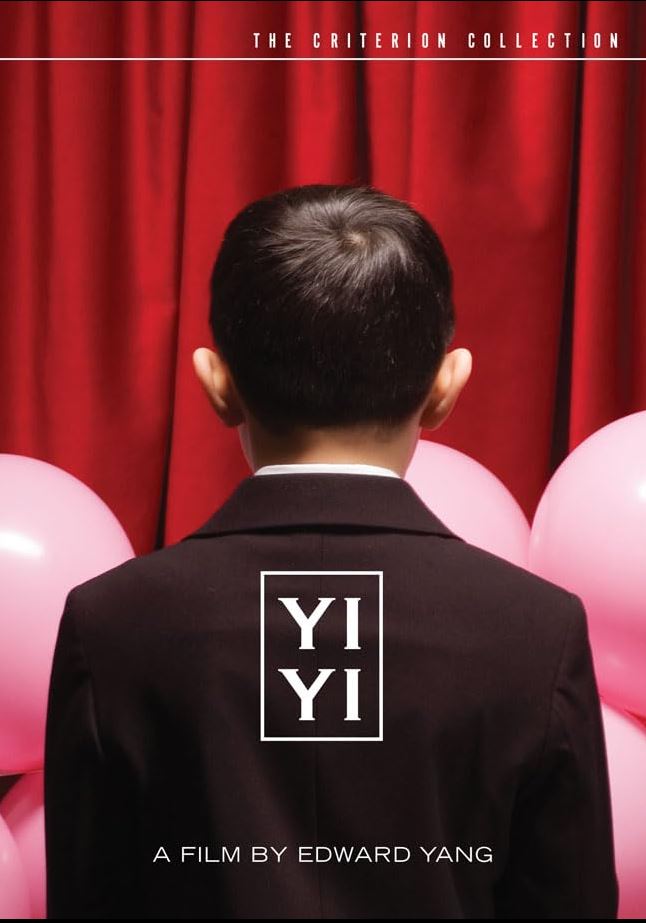
Yi Yi: I continued with Edward Yang and began watching this without any expectations. Boy, what a movie! Yi Yi is an expansive portrait of contemporary middle-class family in Taipei. It meticulously follows three generations as they grapple with the complexities of everyday life, regret, and the search for meaning. I must rewatch this once again someday soon.

Terrorizers: Yang’s Terrorizers was a difficult watch. I needed Gemini to help me make sense of the plot towards the end. The movie is known for its confusing, open-to-interpretation climax. Not my cup of tea.

Blue Velvet: After David Lynch’s passing away earlier this year, I decided to check out his oeuvre. His movies aren’t for the fainthearted. I’m not sure if I enjoyed the experience. But I was glad I got to experience it. Is this what art is all about? The defining piece on Lynch is considered to be the one by David Foster Wallace which I discovered through Reddit. The Theme of Evil in the Films of David Lynch

Mulholland Drive: I soldiered on and continued with Lynch. Considered by many critics to be the finest work of the 21st century, MD was another difficult excursion into the mind of Lynch. I had to apologise to Sruthi for making her sit through two back-to-back Lynch movies.

Kandukondein Kandukondein: Rajiv Menon’s adaptation of Austen’s Sense and Sensibility. Wrote a separate post on this.
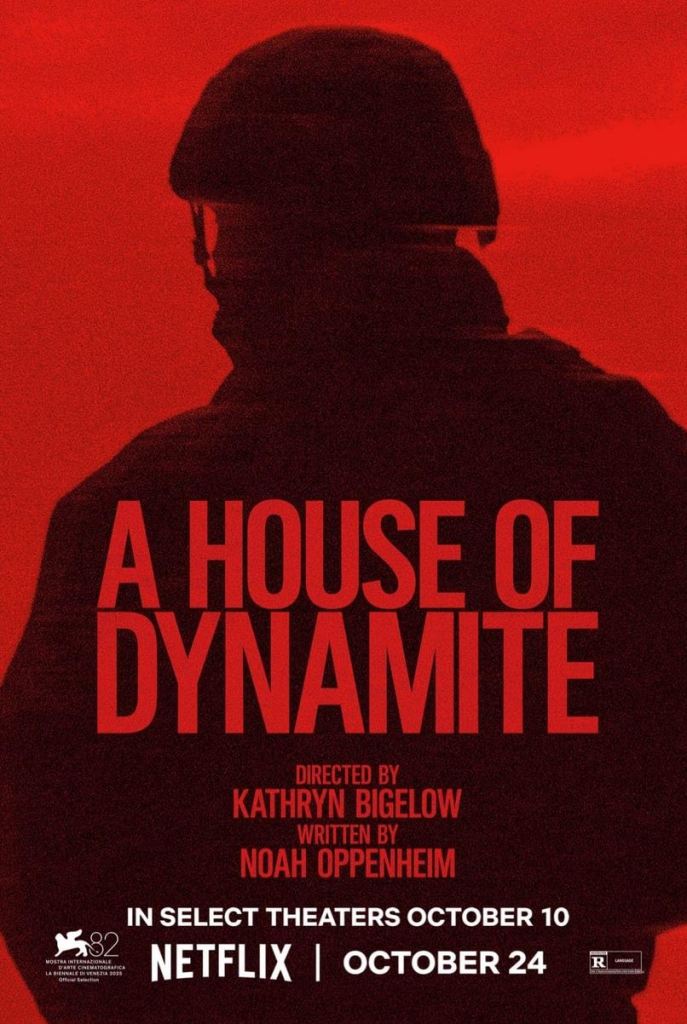
A House of Dynamite: I enjoyed this as it was almost true to what would unfold in the few minutes before nuclear annihilation. Annie Jacobsen’s ‘Nuclear War – A Scenario’ is a work that captures this in great detail and I had an earlier post on this. The editing could have been improved since after the initial 30 minutes, the same scenario gets repeated from the perspective of the other characters – Deputy NSA, Strategic Commander, President of the US of A (played by Idris Alba).
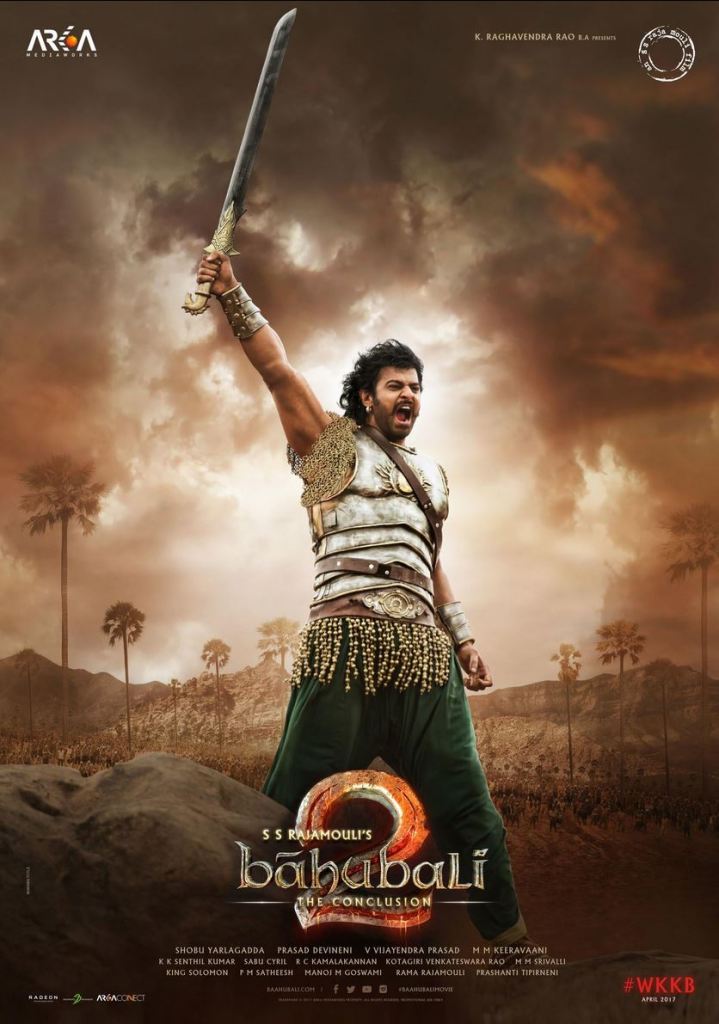
Bahubali: Mayu was immersed in this while convalescing from her viral.

The Pigeon Tunnel: Wrote about this yesterday
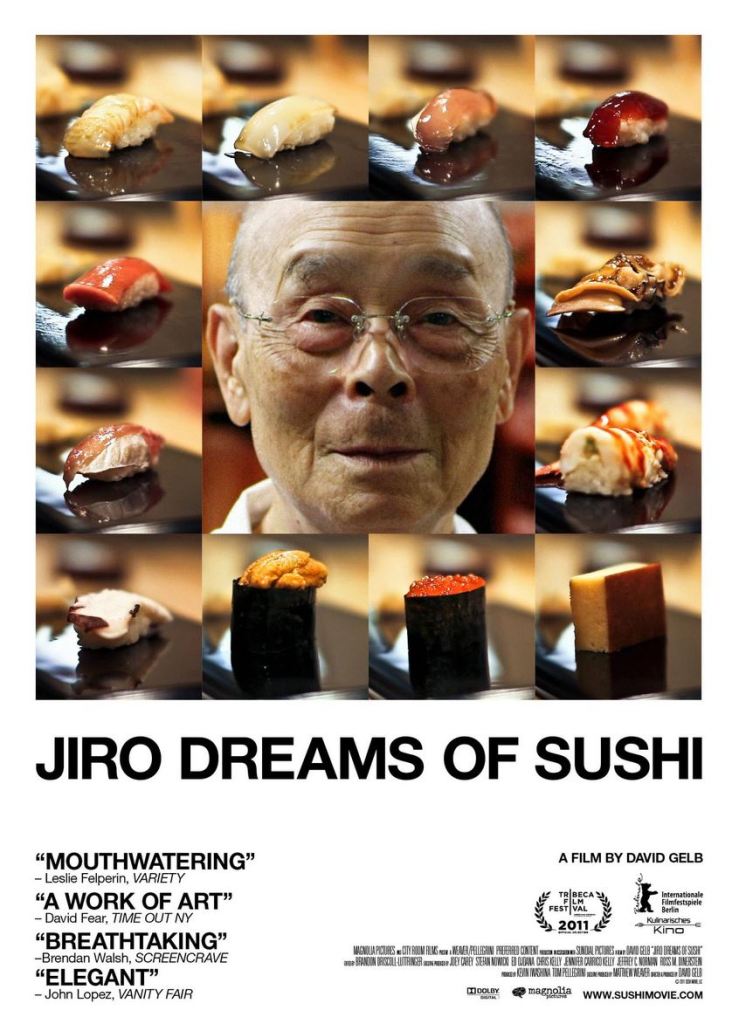
Jiro Dreams of Sushi: Jiro Ono is the oldest chef to be awarded a Michelin Star. His Sukiyabashi Jiro is a tiny, 10-seat sushi restaurant located in a Tokyo subway station that earned three Michelin stars. (It’s so tiny that it doesn’t even have a washroom). Ono turned 100 earlier this week and that was what drove me to this splendid 2011 documentary about him and the art of making sushi. There was this 10-minute sequence, which portrayed the steps that go into making Ono’s world class sushi, that made up for the time spent watching the documentary.
2025: January | February | March | April | May | June | July | August | September
Discover more from Manish Mohandas
Subscribe to get the latest posts sent to your email.

4 thoughts on “What I Watched – October 2025”