Steve Brusatte’s “The Rise and Fall of the Dinosaurs: A New History of a Lost World” was a quick and engaging read about the fascinating field of palaeontology, and, of course, dinosaurs.
- A new species of dinosaur is currently being discovered, on average, once a week. (I took time to wrap my head around this fact.)
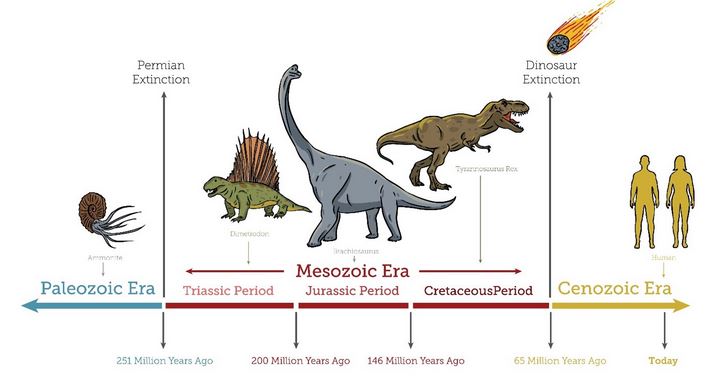
- The geological epochs relevant for dino history are the Triassic, Jurassic, and Cretaceous. During the first, they played a supporting role. At the end of the Triassic, Pangea started breaking apart, resulting in an unimaginable quantity of lava being belched out by the earth leading to the extinction of many species. The dinos somehow managed to survive this, and during the Jurassic, they thrived
- All birds are dinosaurs. Yep. Features we see in birds today—like hollow bones, wishbones, feathers, three-toed limbs, lungs with air sacs, and laying hard-shelled eggs—were already present in many non-avian dinosaurs. In evolutionary classification, this makes birds a surviving branch of theropods, the group that also included the celebrity dinos such as the Velociraptor and T. rex.
- The dinosaur-killing asteroid 66 million years ago, created the Chicxulub crater in Mexico, and in one shot wiped them out. Some species did manage to survive the apocalypse. In the words of Brusatte:
Turtles and crocodiles fared pretty well compared to other vertebrates, and that is probably because they were able to hide out underwater during those first few hours of bedlam, shielding themselves from the deluge of rock bullets and the earthquakes. Not only that, but their aquatic ecosystems were based on detritus. The critters at the base of their food chain ate decaying plants and other organic matter, not trees, shrubs, and flowers, so their food webs would not have collapsed when photosynthesis was shut down and plants started to die. In fact, plant decay would have just given them much more food. Dinosaurs had none of these advantages. Most of them were big, and they couldn’t easily scamper into burrows to wait out the firestorm. They couldn’t hide underwater, either. They were parts of food chains with big plant-eating species at the base, so when the sun was blocked and photosynthesis shut down and plants started to die, they felt the domino effects. Plus, most dinosaurs had fairly specialized diets—they ate meat or particular types of plants, without the flexibility that came with the more adventurous palates of the surviving mammals. And they had other handicaps as well. Many of them were probably warm-blooded or at least had a high metabolism, so they required a lot of food. They couldn’t hunker down for months without a meal, like some amphibians and reptiles. They laid eggs, which took between three and six months to hatch, about double the time for birds’ eggs. Then, after the eggs hatched, it took dinosaur youngsters many years to grow into adults, a long and tortured adolescence that would have made them particularly vulnerable to environmental challenges.
After the book, I nosed around the internet to see the dinosaur discoveries in India. The Narmada valley is an important site, and Gujarat has a few impressive dinosaur museums. The most impressive dinosaur species from India is Rajasaurus Narmadensis. It was first discovered in Balasinor, Gujarat which is a 72-acre site and one of the world’s largest intact dinosaur hatcheries. I never knew any of this.
Discover more from Manish Mohandas
Subscribe to get the latest posts sent to your email.

2 thoughts on “Some Dino Facts”