On a whim, I decided to go to Warsaw from Krakow and spent around six hours in the city (of which one was spent trying to figure out its tram lines). Warsaw is large, spread-out and has the ‘big-city vibes’ when compared to Krakow.
The entire city was rebuilt after the Second World War. After being annexed by the Germans, the Polish resistance was led by the government-in-exile from Britain. In August 1944, with the Russians on the other bank of the Vistula and the Nazis in retreat, the underground resistance decided to rise up against the Nazis. The Warsaw uprising was the “single largest military effort undertaken by resistance forces” to oppose German occupation during World War II. For sixty-three days, they fought the SS troopers from underground sewers and hideouts. But Stalin backtracked and refused to support any non-communist resistance movement. 200,000 citizens lost their lives and Hitler ordered the razing of the city. Deckle Edge’s ‘Memoir Of The Warsaw Uprising‘ is probably the best first-person account of this whole bloody event.
Sruthi and I visited the memorial built to commemorate this uprising and the documentation center. The memorial, built in 1989 after the end of Communist rule in Poland, is an impressive frieze depicting insurgents in motion and soldiers emerging from a sewer.


Amber is sold as jewellery in every nook and corner. Apparently, the Baltic coast is known for its amber deposits with some of the amber deposits being as old as 44 million years. Long back, there was an Amber Road that connected the Baltic coast with the trading centers of Venice and Rome. And the other famous amber trivia is the Amber Room gifted by King Frederick of Prussia to Peter the Great of Russia. The Nazis brought it back to Germany from where it vanished from records. Until its disappearance it was known as the Eighth Wonder of the World.

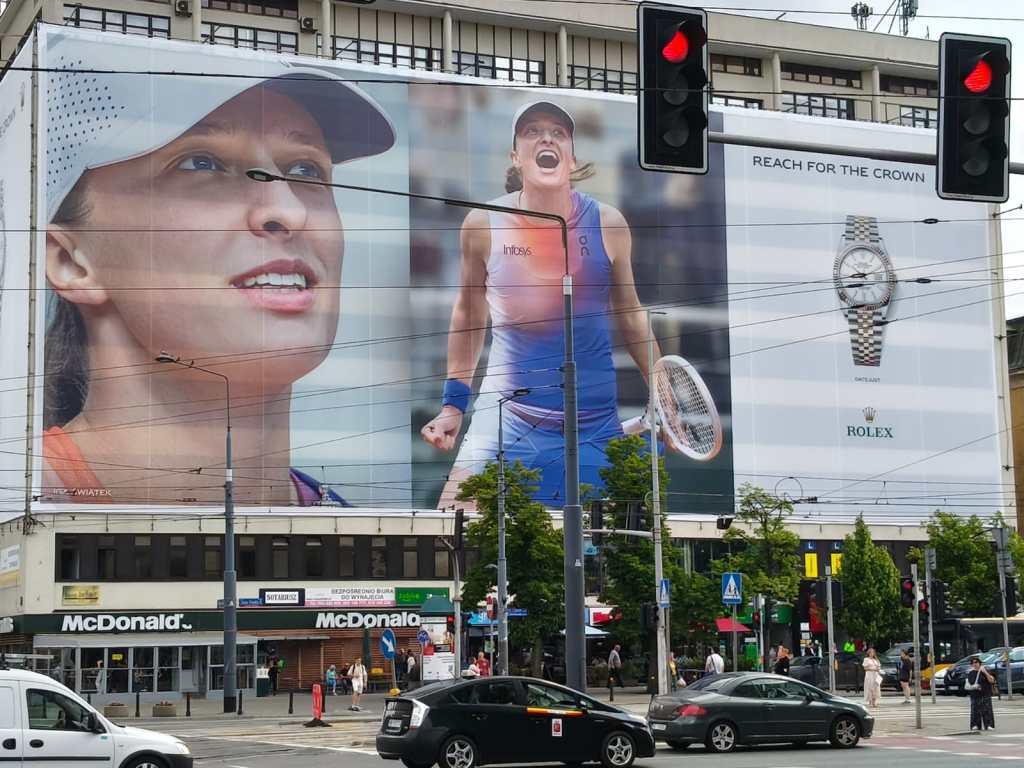
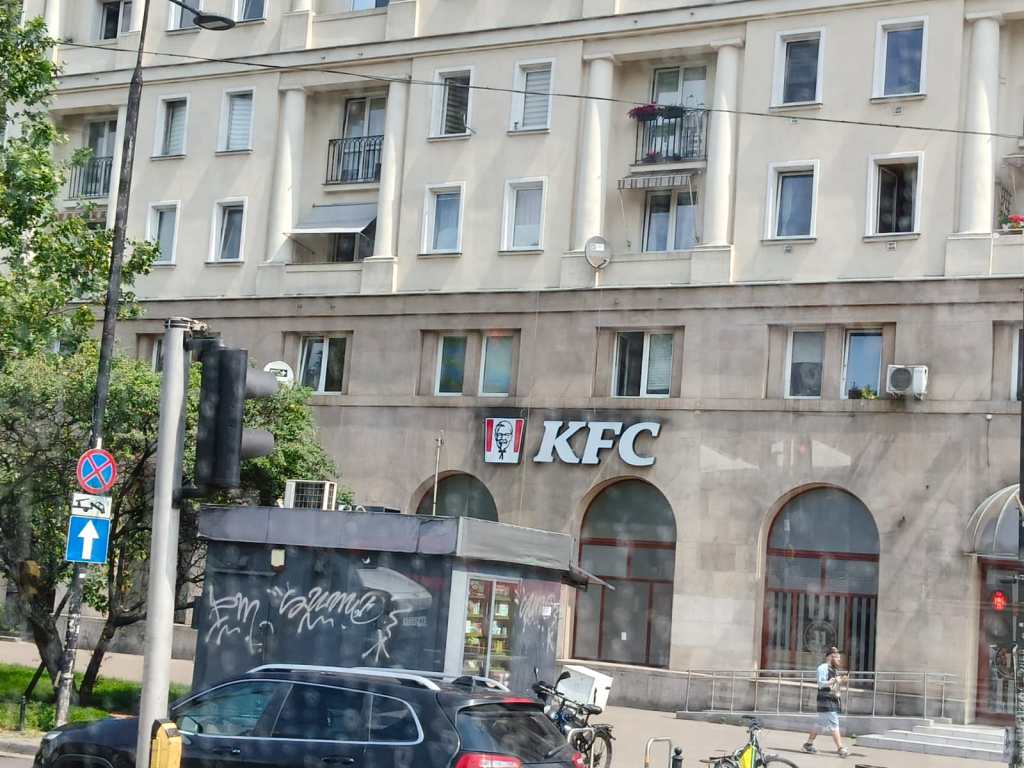
For me, the sight that tickled me the most was to see KFC, McDonalds and Rolex hoardings in Warsaw – a name that was for decades representative of the ‘triumph’ (or terror) of communism. If only Stalin and the hundreds of nameless bureaucrats who suppressed a country for decades were alive to see this today.
Discover more from Manish Mohandas
Subscribe to get the latest posts sent to your email.
