Krakow was a 7-hour journey by train from Berlin. The previous day, the Ukrainians had carried out an audacious strike on Russia’s strategic bombers, and there was a lot of online chatter about Putin contemplating a nuclear response. And here I was, chugging along in the direction of Ukraine. Fearing nuclear annihilation twice in four weeks was a bit too much.
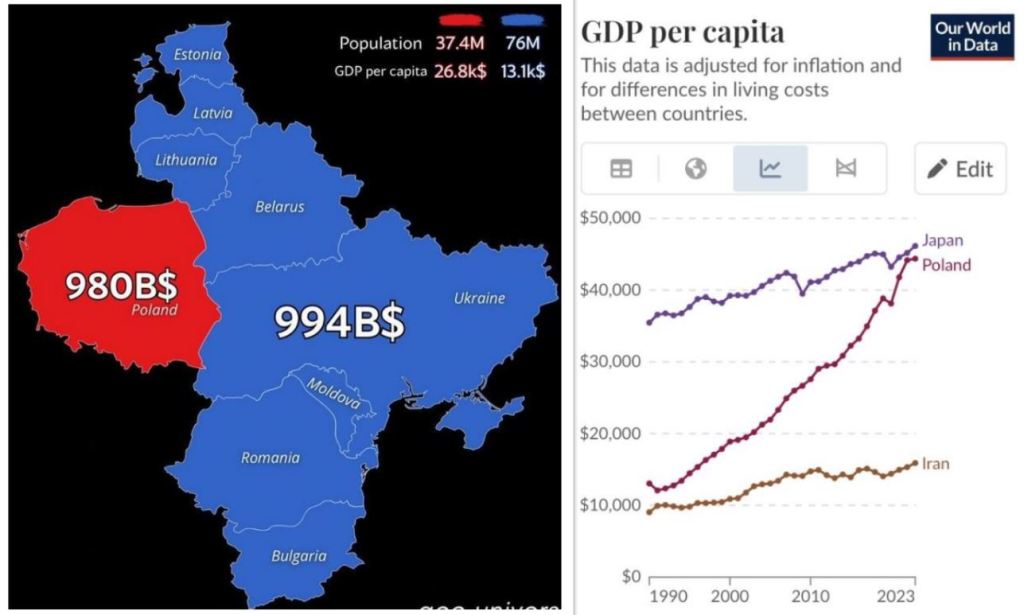
Poland’s history has always been bloody and painful. It’s a classic case of a country being cursed by its geography. Modern-day Poland is a fraction of the size of the Polish-Lithuanian Commonwealth. Large swathes of its territory were surrendered to Stalin by the Allied powers at Yalta. Despite all of this, Poland has done remarkably well, since the fall of the Berlin Wall. The Polish economic miracle is not something that’s been written about much.

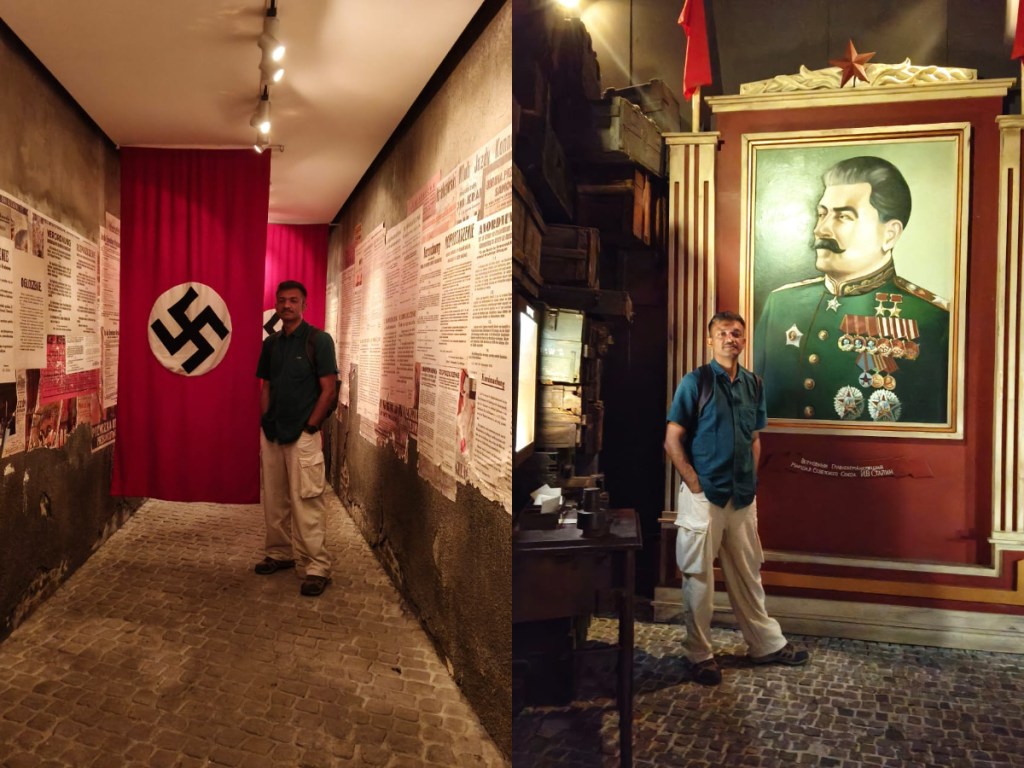
I found Krakow to be cosy, modern and culturally rich. Krakow was once a vibrant center for Jewish culture and like the rest of Poland, most of this got wiped out during the Holocaust. Today, the Kazimierz Jewish Quarter has a few synagogues and also boasts of a museum documenting the lives of the Jewish community of Krakow.
Oskar Schindler’s enamel factory is another famous spot in Krakow. Thanks to Spielberg immortalizing him, his efforts in saving hundreds of Jews have been documented and well preserved at his factory which is now a museum.

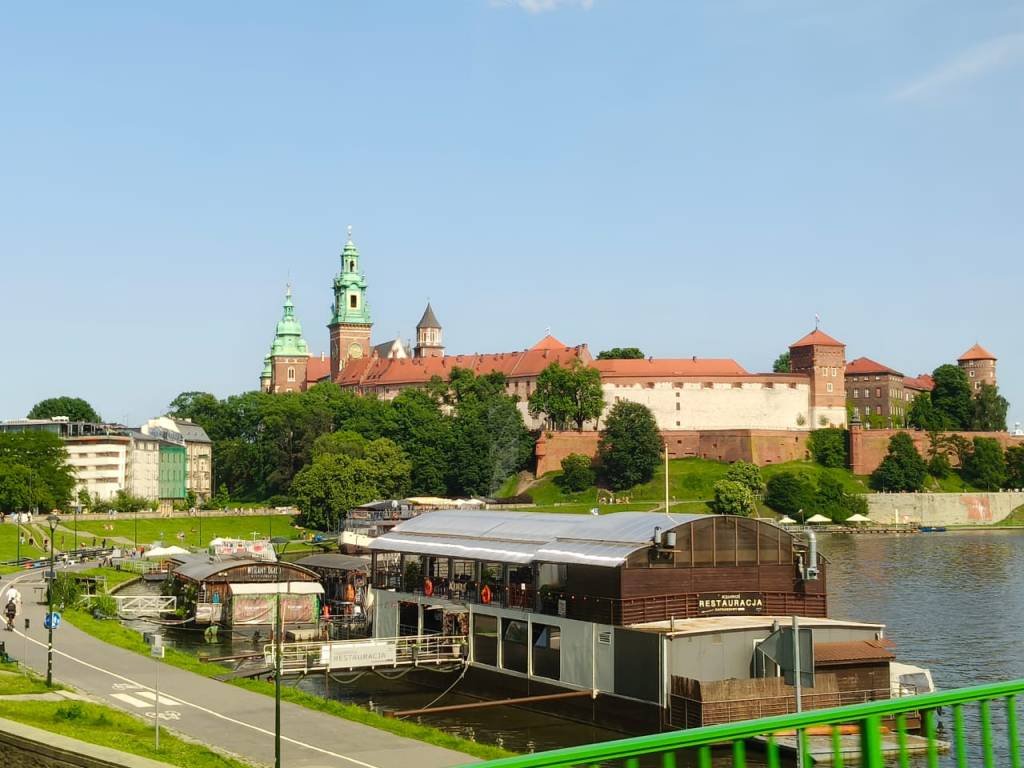
The basilica in the Old Town was pretty and impressive. The public transport was modern, sleek and efficient. The main bookstore in the Market Square was probably one of the biggest that I had seen in Europe. It was also thrilling to see the Vistula for the first time – a river remembered for its unique name.
After having been to a few other European countries, the Catholicism of Poland and the overall religiosity of the Poles are hard to miss. Biographies of the Pope are prominently displayed in supermarket counters, the cross and figurines are common in souvenir shops, and Pope John Paul II is revered in the city. In fact, he was the Archbishop of Krakow when he was elected as the Pope. He was also the first Pope to visit the Iron Curtain.

A short hop away from Krakow is the Wieliczka Salt Mine. I expected the place to be a tourist trap but nevertheless decided to go since it was among the first set of historic sites that were included in UNESCO’s World Heritage listings in 1978. Once upon a time, before modern refrigeration, salt was the world’s main preservative. This made salt a lucrative global product and Krakow was once upon a time, a center of the global salt trade. Mark Kurlansky’s global history on Salt deals with this subject in great detail. (I only vaguely remember reading it and plan to pick it up again). The mine was spectacular and some of the famous visitors included Copernicus, Goethe and Chopin.

Poland’s dumplings are famous. While they look exactly like our Indian momos, their taste is otherworldly. I also sampled Black pudding for the first time and didn’t relish it. (Its main ingredient is pig blood). The Obwarzanek krakowski, a round bread that’s sold in every nook and corner of Poland, was also great. Biting and chewing hard, salty bread while walking is a nice thing to do! Sruthi also made me taste kefir, which I found to be somewhat like a cross between chaas and lassi.

Discover more from Manish Mohandas
Subscribe to get the latest posts sent to your email.

2 thoughts on “Krakow Notes”