When I was in college, the roll call for attendance used to be exasperating for the profs as we had a Balaji Kartik, a Karthik and a Balaji Subramaniam in class. For me, nothing better exemplified the sway of Murugan in Tamil Nadu. Even for Keralites, Pazhani – the abode of Murugan is a revered pilgrim site.
Was Karthik a North Indian or a South Indian tribal god, is still an unsettled question. While there are references to him in the later Vedic period, his myth gets a firm footing in the early part of the millennium. The need to counter Buddhism forced Brahminism to embrace all the tribal deities and myths into the Hindu pantheon. Karthik and Ayyappa are striking deities that fit this explanation.
The story of his birth itself can be seen as an allegory of the multiple origin stories behind his rise. (When the gods request Siva’s intervention to slay Tarakasura, he spills his semen which Agni carries away swiftly. Being too-hot-for-him-to-handle, he hands it over to Ganga who in turn places it in a forest of reeds. Once the baby Karthik is born, he gets nursed by the seven Kritikas further cementing his status as a God whose origins can never be truly ascertained).
During the Gupta period, the cult of Karthik reached its apogee in North India. Two of the mightiest rulers of the dynasty even named themselves after Skanda and Kumara. There’s also a reference to Skanda’s birth and exploits in the Vana Parva of the Mahabharata. Over time, his star wanes in the north with the rise in popularity of Ganesha (another tribal god) and Shiva. Soon, the locus of patronage shifted to the South. The Pallavas, Cheras and Cholas ensured that Karthik garnered a sound following in the South. The Saiva temples of the Cholas had Kartik enshrined in smaller shrines and the Bala-Subramanian cult spread and took root.
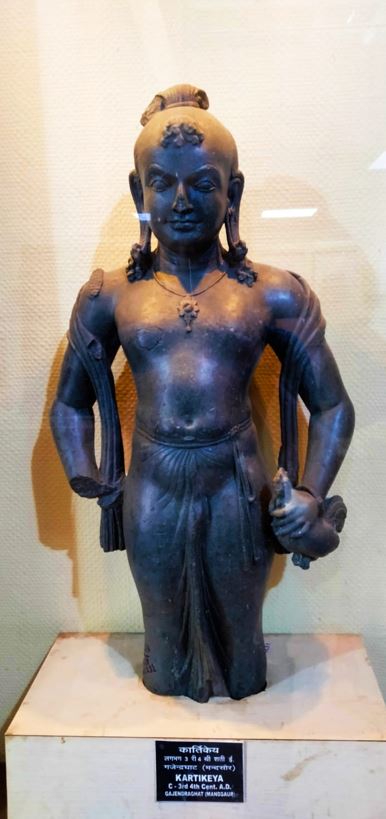
The other strange aspect of his personality is his sexuality. In the north, he is usually worshiped as a celibate king. This is despite having two formal wives – Indra’s daughter Deva Senapati and Valli. The famous story of his tiff with his sibling Ganesha is probably the most popular one from his life. Sudhir Kakar had a fascinating Oedipal interpretation of this story which I had written about earlier.
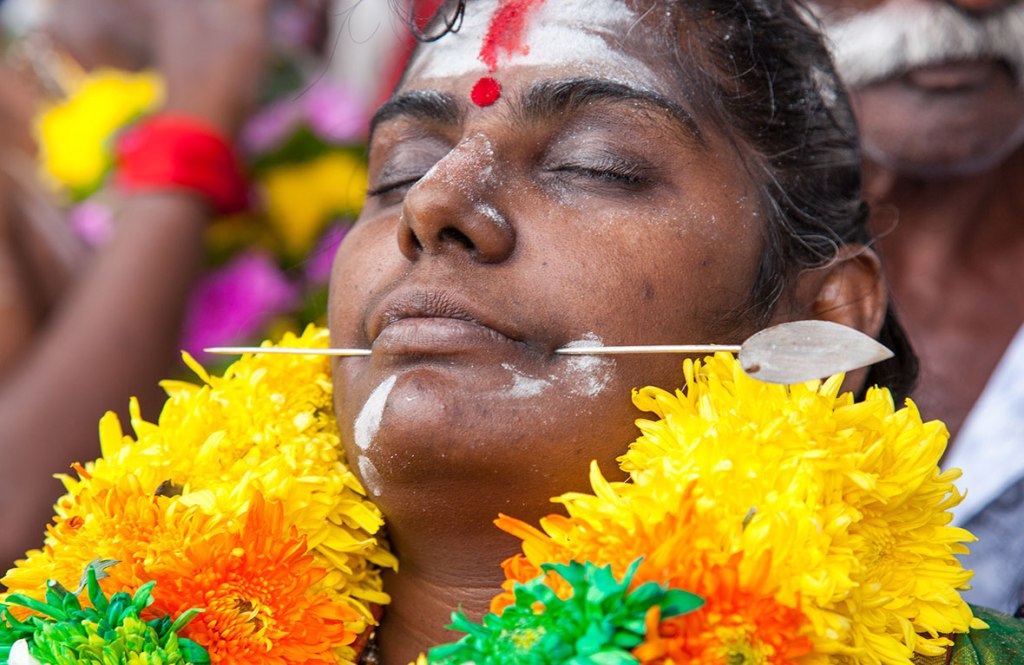
Thai Pusam is the annual festival commemorating Murugan’s victory over the rakshasa Surapadman. Devotees are supposed to bear a physical burden and dance. While the ‘burden’ can even be a pot of milk, the festival is noted for the devotional zeal it triggers – spear piercing of the tongue, cheeks, chest and thighs are all common sights. This photo-essay has some visually striking images. The festival extends beyond Tamil Nadu and is a significant event in Malaysia, Singapore, Sri Lanka, Myanmar and Indonesia largely due to the sizeable Tamil diaspora in these regions.

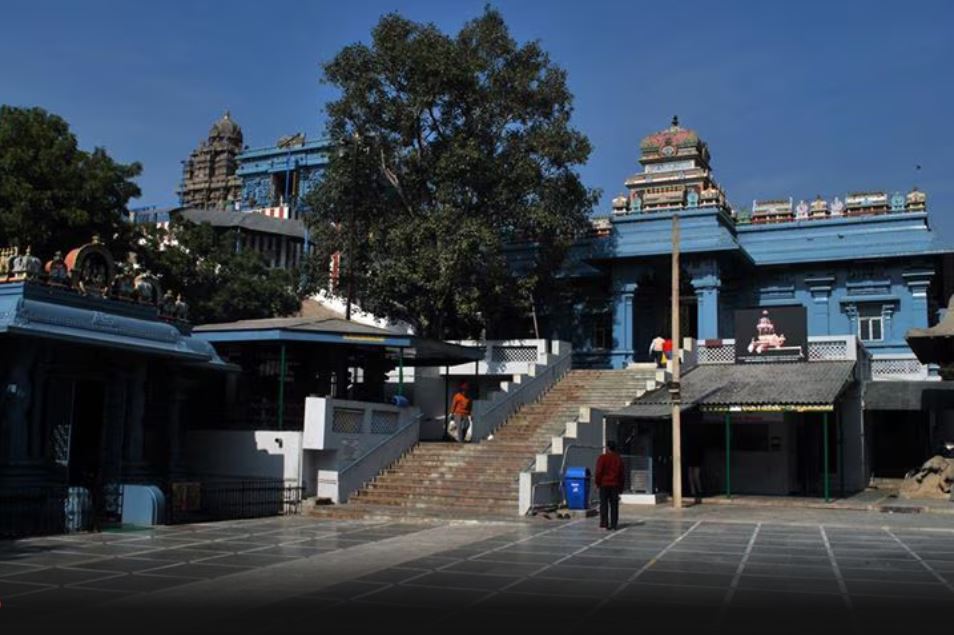
In Delhi, the Malai Mandir built on a hillock in RK Puram is a noted shrine for Murugan. The steps, the courtyard and smaller shrines around make it a nice spot to visit. The only disappointment is the blue paint the administrators decided to splash all over the walls. Nothing to beat the classiness of exposed stone in a temple.
Murugan.org is a rich resource for everything Murugan. Exhibit: This deep-dive into the Aryan appropriation of Murugan.
Discover more from Manish Mohandas
Subscribe to get the latest posts sent to your email.
