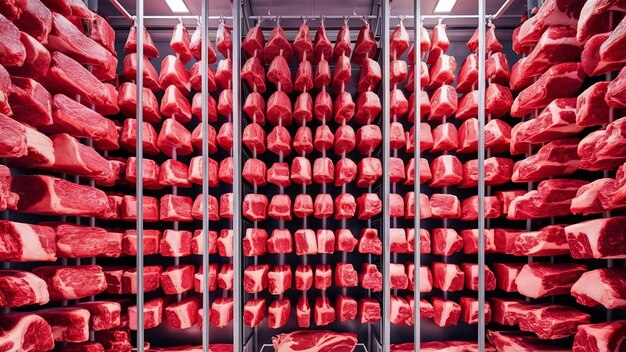
So many of the gastronomical delights of our modern life would be impossible without modern refrigeration. Cheeseburgers, chilled beer, ice cream and of course all the imported exotic items like Norwegian salmon, Swiss cheese and Australian beef would have just remained local delicacies restricted to a few 100 kilometers from their point of origin had it not been for refrigeration.
Ice harvested from the lakes of the US was the first refrigerant that propelled the industry. Through trial and error and maverick entrepreneurs, the technology was perfected to transport cut meat from Chicago to the East Coast and later to Europe. In the 1870s, a thriving ice trade between the US and India existed with ice houses built in Bombay, Calcutta, and Madras. The iceberg lettuce also derives its name from the ice that was used to preserve it when it was shipped from the Salinas Valley of California all across the US. The post-Industrial Revolution societies of the West, the burgeoning railway systems, and a rise in disposable incomes led to an explosion in the demand for meat. Experts argue that it was a limited understanding of biochemistry and nutrition that tilted the scales in favour of meat over fruits and vegetables.
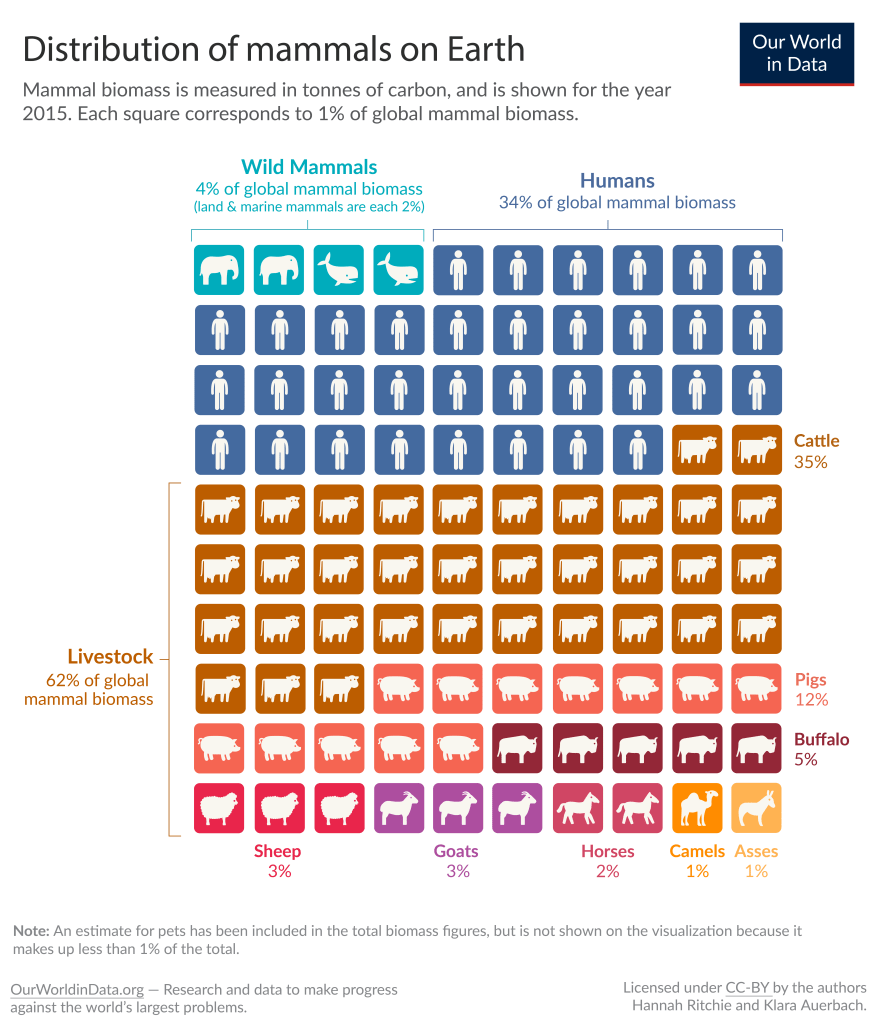
Livestock today make up 62% of all mammals. With humans at 34%, it means that all the remaining mammals (cats, dogs, rats, whales, elephants…) make up the remaining 4%. This astonishing fact is also a direct outcome of the advent of refrigeration at the end of the 19th century.
By the 1930s, mechanized refrigeration replaced ice throughout the west, driven by the rise in hygiene standards and the risks of water-borne diseases borne by ice. Refrigerators today are a barometer of social mobility. In middle-income countries, the contents of a fridge can be a proxy for a family’s economic status. A rise in income is always co-related with a transformation of goods that end up being stocked in a fridge. (I quickly surveyed the contents of my fridge and can confirm that I still have a long way to go up the social ladder.)
In Nicola Twilley’s Frostbite: How Refrigeration Changed Our Food, Our Planet, and Ourselves I discovered the fascinating subreddit called FridgeDetective in which users post pictures of their fridge and others speculate on the personality of the person.
The more serious issue in our cold supply chains is the low penetration of refrigeration in the Global South. Refrigeration is the key to improving farmer incomes and tackling food wastage (Related post). However, this is easier said than done. The cost escalations to the final product often make refrigeration prohibitively expensive. Refrigeration works best at scale. The corollary is that farmers are often forced to focus on commodities that have a global market – blueberries, mangoes, strawberries, avocados etc. The Kigali Agreement which phases out many harmful refrigerants also makes regulation stringent. With many SDGs hinged around refrigeration – Poverty, Hunger, Good Health, the UN has also come up with initiatives such as Cooling for All.
With millions set to move to cities all over the world and diets shifting to more protein in the form of meat and dairy, a silent, unseen expansion of cold spaces around us is underway. A refrigerated item in a supermarket, will from now on, never elicit a nonchalant response in me.
Discover more from Manish Mohandas
Subscribe to get the latest posts sent to your email.
