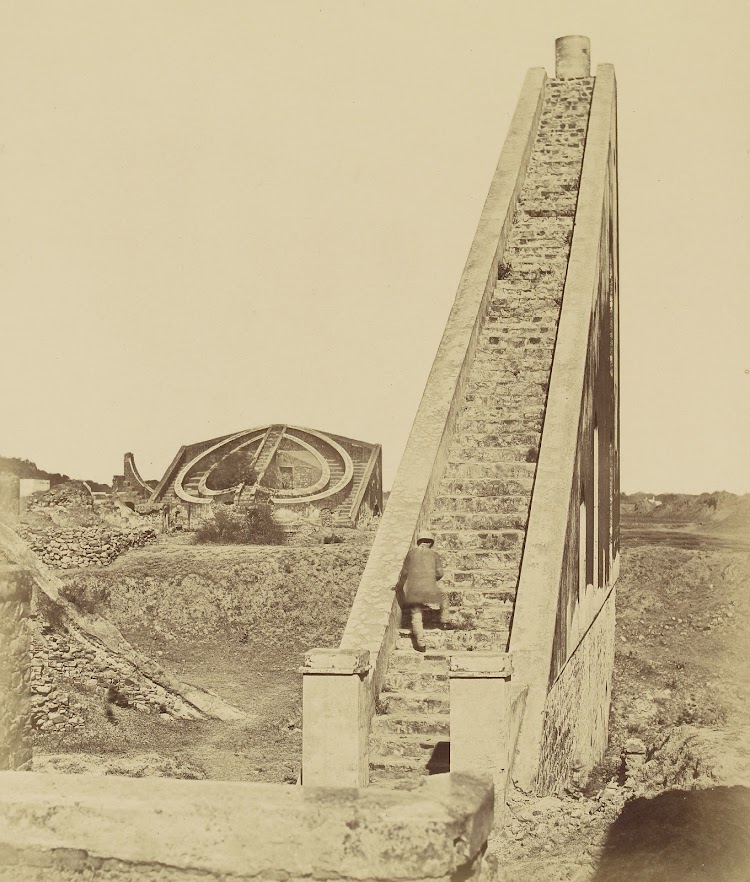
When New Delhi was built by the British, a substantial chunk of the required land was under the possession of the Raja of Jaipur. The three villages – Jaisinghpura, Madhoganj and Raja ka Bazaar were acquired by the British and incorporated into New Delhi. All these three villages, lay on the trunk road which connected Old Delhi with present-day Gurgaon and further on to Jaipur indicating that these were probably resting places for the royal entourages that visited Delhi. The only structures that were untouched were the Jantar Mantar, a couple of Jain Temples, and the Hanuman Temple in CP.
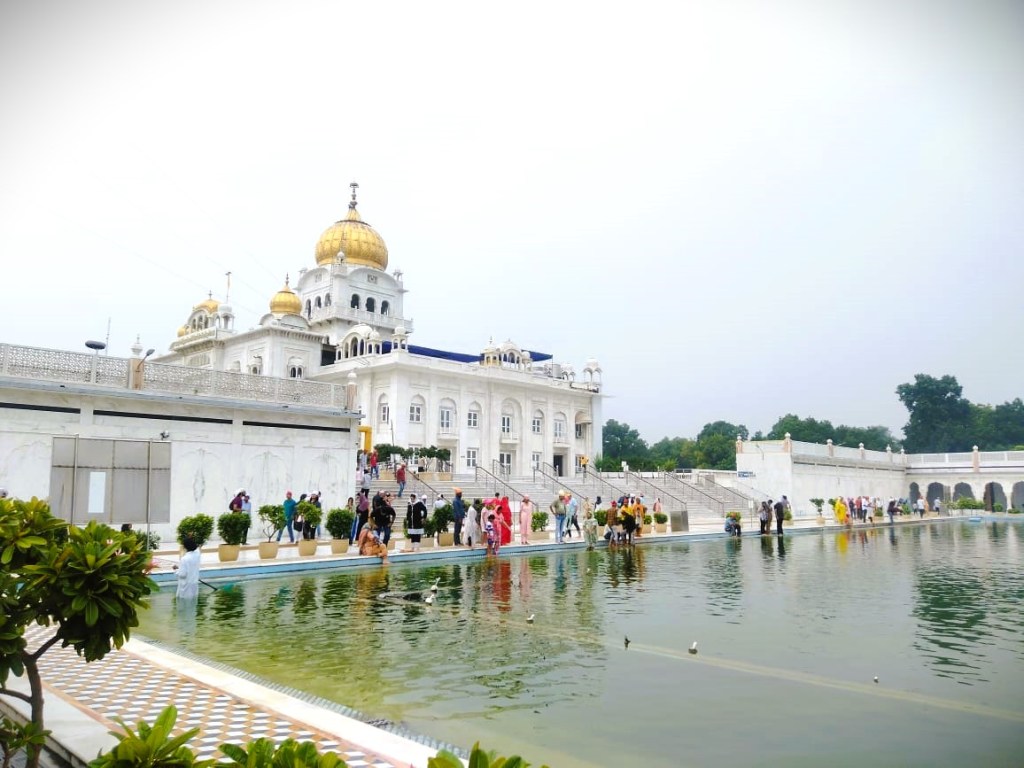
The other prominent structure in New Delhi with roots in the Kingdom of Jaipur is the impressive Bangla Sahib Gurudwara. The Gurudwara was the palace of Raja Jaisingh of Jaipur and its transformation from a palace to a religious site is a fascinating tale.
The seventh Guru of the Sikhs Guru Har Rai had sided with Dara Shikoh during his battle of ascension with Aurangzeb. When the latter won, he invited him to court. The Guru sent his son Ram Rai instead. The story goes that when asked to explain a verse from the Guru Granth Sahib which was apparently disparaging to the Muslims, Ram Rai wriggles out of the dilemma by interpreting it to suit Aurangzeb. When the Guru hears of this, he furiously excommunicates him and makes his younger son the next Guru, who takes on the mantle at the tender age of five. The excommunicated Ram Rai heads to the Garhwal Himalayas where he is given a parcel of land by Aurangzeb to set up shop. This place eventually becomes Dehradun (Dehra meaning shrine).
Aurangzeb again invites the child-Guru to Delhi and once there, he is offered the Raja of Jaipur’s palace to stay. During this period, a smallpox epidemic sweeps through Delhi and the Guru converts the palace grounds into a place of refuge for the stricken. The waters of the palace tank are believed to be miraculous. But in a twist of fate, the young child contracts smallpox and dies. (He was succeeded by his grand uncle Guru Teg Bahadur whose head was chopped by Aurangzeb in Chandni Chowk!)
In memory of the young Guru’s sacrifice, the Raja of Jaipur gives up the palace and it becomes a revered shrine for the Sikhs. Even today, the interiors of the gurudwara have all the markings of a palace – gold-plated walls, roofs, and sparkling chandeliers.
(If you’re in Delhi, INTACH organizes an excellent heritage walk covering the history and the present-day precincts of the erstwhile kingdom’s landmarks.)
Discover more from Manish Mohandas
Subscribe to get the latest posts sent to your email.
