I spent a week in Jakarta last month. The short ride from the airport to the hotel was enough to understand how broken and shambolic India’s urban infrastructure systems are. Not a single Indian city can match up to the quality of built infrastructure that was visible in the city. Drivers there, also know the meaning of lanes and the ‘actual’ purpose of a horn.
In my opinion, Indonesia can easily rank as one of the world’s most fascinating countries. And it was also one that I knew next to nothing about. With the world’s largest Muslim population, a thriving democracy, seventeen thousand islands, active volcanoes, a still-visible Hindu-Buddhist heritage and adequate mineral wealth, the country needs more attention than it usually commands and offers lots to learn for a first-time visitor.
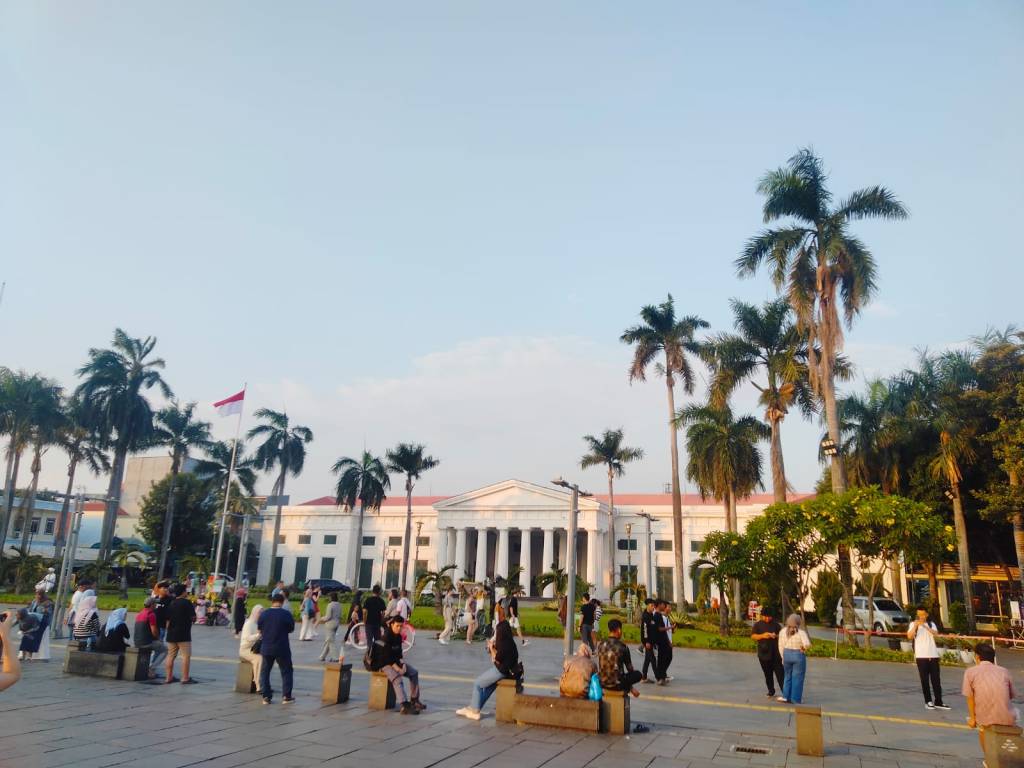
Jakarta has some peculiar oddities. Perplexingly, it has more than 150 malls. Food stalls are a common sight across the city. Unlike India, it has an impressive urban skyline. The notorious traffic of the city was also not that terrible. And yes, the city is also the fastest sinking megacity of the world. The old city of Jarkarta still preserves a bit of the Dutch colonial architecture. The National Museum was sadly shut for renovation.
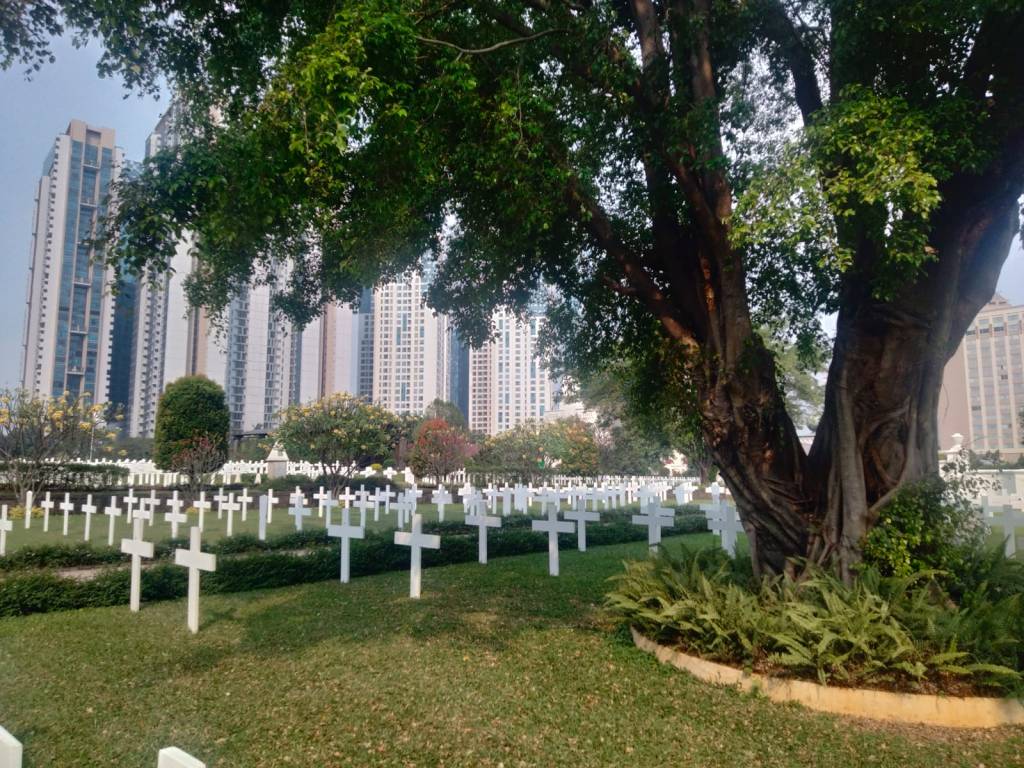
Like every other country of South-East Asia, Indonesia too was occupied by the Japanese during the Second World War. The memorial built by the Dutch for the vicitims of this occupation is an oasis of serenity in the midst of looming skyscrapers. Thoroughly enjoyed the hour spent there.
The Dutch, unlike the British disallowed the spread of their language among the natives. So, despite three hundred years of Dutch rule, there’s hardly a sign of their language today. Imagine the soft power that the Netherlands could have wielded if they had an additional 250 million people speakers of their language.
I should some day travel across the archipelago. Aceh in the western end is under Shariah law, Flores is a predominantly Catholic and Bali – a haven for backpackers. How is such a land not yet in the tourist radar?
If you’re curious to read up more on Indonesia, here’s a reading list:
- Beauty is a Wound by Eka Kurniawan – Indonesia’s greatest living author and his magnum opus was a great companion. Little wonder he’s also known as the Marquez of Indonesia
- Indonesia Etc.: Exploring the Improbable Nation, by Elizabeth Pisani – journalistic account of the archipelago
- Archipelago, a Journey Across Indonesia, by Ian Burnet – a travelogue with lots of tidbits about the country
- Nathaniel’s Nutmeg, by Giles Milton – a historic account of 17th century European rivalries that were played out in the archipelago.
- A Brief History of Indonesia by Tim Hannigan – a short introduction to the land. Learnt a lot about the Buddhist-Hindu past of the land and also the post-independence sway of Sukarno and Suharto.
- The Call: Inside the Global Saudi Religious Project by Krithika Varagur – an analysis of the Saudi-backed Salafist project aimed at Indonesia
The two books that I couldn’t lay my hands on this time but will definitely be tackled someday soon are SK Pottekad’s (the literary icon of my hometown Kozhikode) 1930s travelogue covering Indonesia – Bali Dweep and Indonesian Diary. (Calicut and Gujarat were key ports that were connected to the Spice Islands of Indonesia and also played a role in the spread of Islam across the land. Hence, its not unsurprising to know that a literary giant of Kerala, sojourned through the archipelago)
Discover more from Manish Mohandas
Subscribe to get the latest posts sent to your email.

3 thoughts on “Jakarta Notes”