Last year, I spent half a day riding a horse in Pahalgam. Though it was a typical touristy thing to do when in Kashmir, the experience was exhilarating. To get a sense of a horse’s power, its intelligence and to appreciate why it was so central in human civilization, I would highly recommend getting on a horse someday.
When you think about it, horses have played a major role in our history and cultural imagination. One of the bounties from the churning of the ocean was Uchchaihshravas – the seven headed flying horse which became the steed of Indra. The Ashwamedha Yajna involved rulers letting their horses roam free with the caveat that every territory had to acknowledge the suzerainty of the king. The battle scenes that make the Mahabharata so vivid and visceral, become unimaginable if you remove the horses from the narrative. The Vedas, composed during the arrival of the Indo-Europeans, have more references to the horse than to the cow. Unsurprising since it was they who introduced the horse and the chariot to India.
Through Yashaswini Chandra’s ‘The Tale of the Horse: A History of India on Horseback’, I got to learn a bit of the horse in Indian history. Writing in the 14th century, Ibn Battuta claimed that every Turk possessed 1000s of horses and the area around the Black Sea abounded with horses and that ‘they are as numerous as sheep in our country’. During his journey to India, he reports on the spectacular sight of 6000 horses moving from Azov to India. At the peak of the Mughal empire, around 21,000 horses were imported to India from Central Asia and Arabia through Gujarat, Rajasthan and Afghanistan. Considering the military and economic role that horses played, horse traders wielded considerable clout in medieval India. For the Deccan rulers, the only way to access the prized horses from abroad were through the ports. One of the reasons that the Portuguese conquest of Goa sent ripples across the Deccan was their capture of the Arabian horse trade through Goa. Horses were shipped, often in brutal conditions and brought into the Deccan. Even today, apparently, exporting animals is a thing. I got to know about it only when I read the news about the stench in Cape Town caused by a docked ship transporting 19,000 cows from Brazil to Iraq!). Polo, a game that we associate with British imperialism, originated in the kingdom of Manipur. Currently, the major native breeds of India are Kathiawari, Kutchi-Sindhi, Marwari, Spiti, Zanskari, Bhutia and Manipuri. These also correspond to the major breeding centers and traditional places which boasted of a horse culture – the arid west and northwest India, the alpine meadows of the Himalayas, the hills of the North East, the river valleys of the Deccan and the doabs of Punjab.
In present-day India, horses are still a fixture in some places. North Indian weddings are incomplete without a horse. (I’m yet to comprehend, why would any man want to enter the venue on a horse.) The masculinity of riding a horse has caste connotations and there are no dearth of reports on atrocities committed on Dalits over riding horses. In Delhi, I still get to see horse-drawn carts of vegetables in my colony. Tongas are yet to disappear from some of the smaller towns of India and almost every hill station offers horse-rides to children. I’m also assuming that horse riding is still a thing in elite boarding schools.
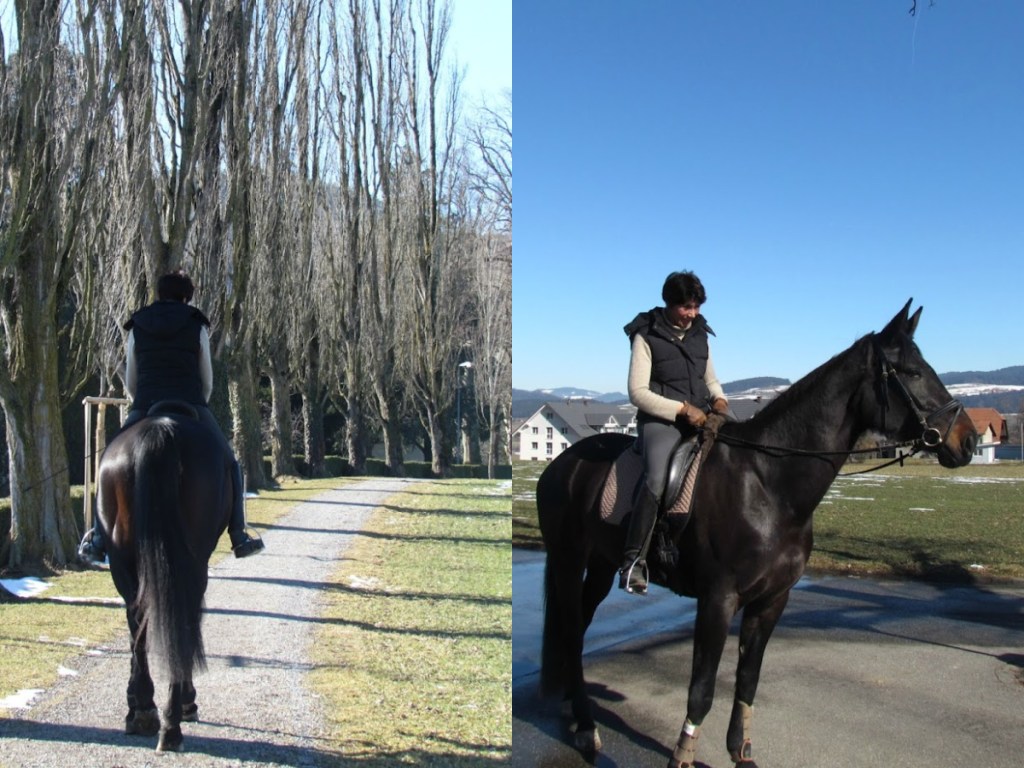
PS: The only time that I saw a person casually riding a horse for recreation was in Switzerland when I first visited in 2012. It was also the visit where I got to taste horse meat. I have no memory of how it tastes.
Discover more from Manish Mohandas
Subscribe to get the latest posts sent to your email.
