A friend of mine spent the previous two years in Penang as part of an international consortium in the business of designing and fabricating semiconductor units. Being an avid sketcher and a photographer, I got to see glimpses of the city through his posts and updates. Though I knew next to nothing about the place (apart from the fact that it was in Malaysia), my curiosity was never piqued to read up more – until I chanced upon Tan Twan Eng’s trilogy of books set around Penang during and before the Second World War.
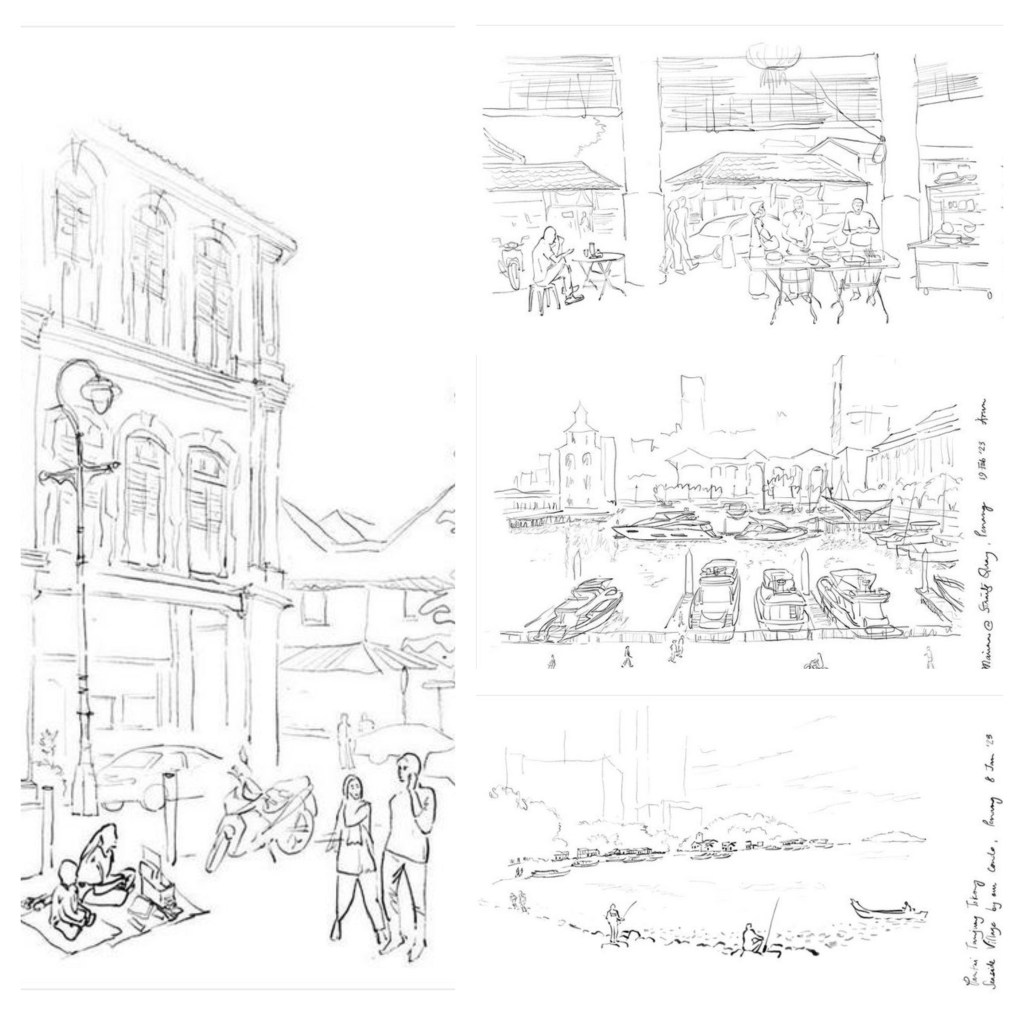
Penang, due to its proximity to the Malacca Straits, is and was a geopolitically critical piece of real estate. The British took control over the island when Captain Francis Light established George Town in 1786. For the next 150 years or so, Britain had more or less complete suzerainty over the region. Along with Singapore, Malacca, and other trading posts, it was part of the British Straits Settlements – a group of British-controlled trading posts and territories in the Straits of Malacca and the surrounding areas. Culturally, the island became the cliched melting pot with Chinese, Indians, Brits and Malays living, trading and intermingling with each other. George Town is a UNESCO World Heritage site today thanks to this fusion of cultures as reflected in its architectural styles.
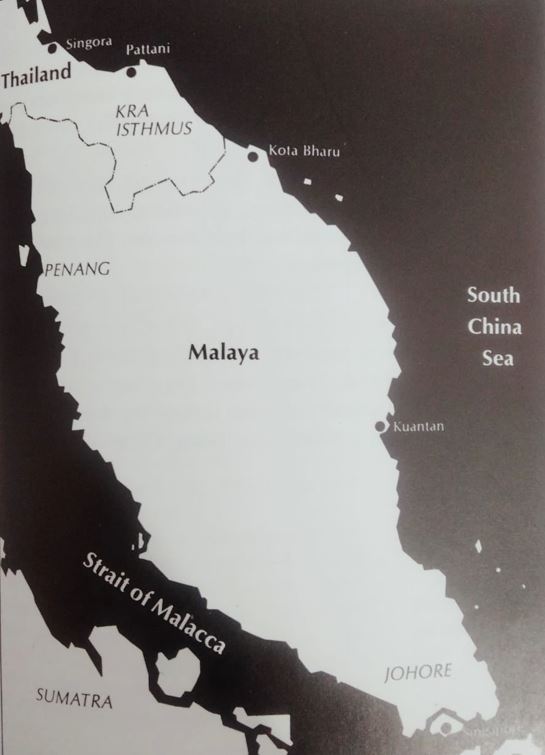
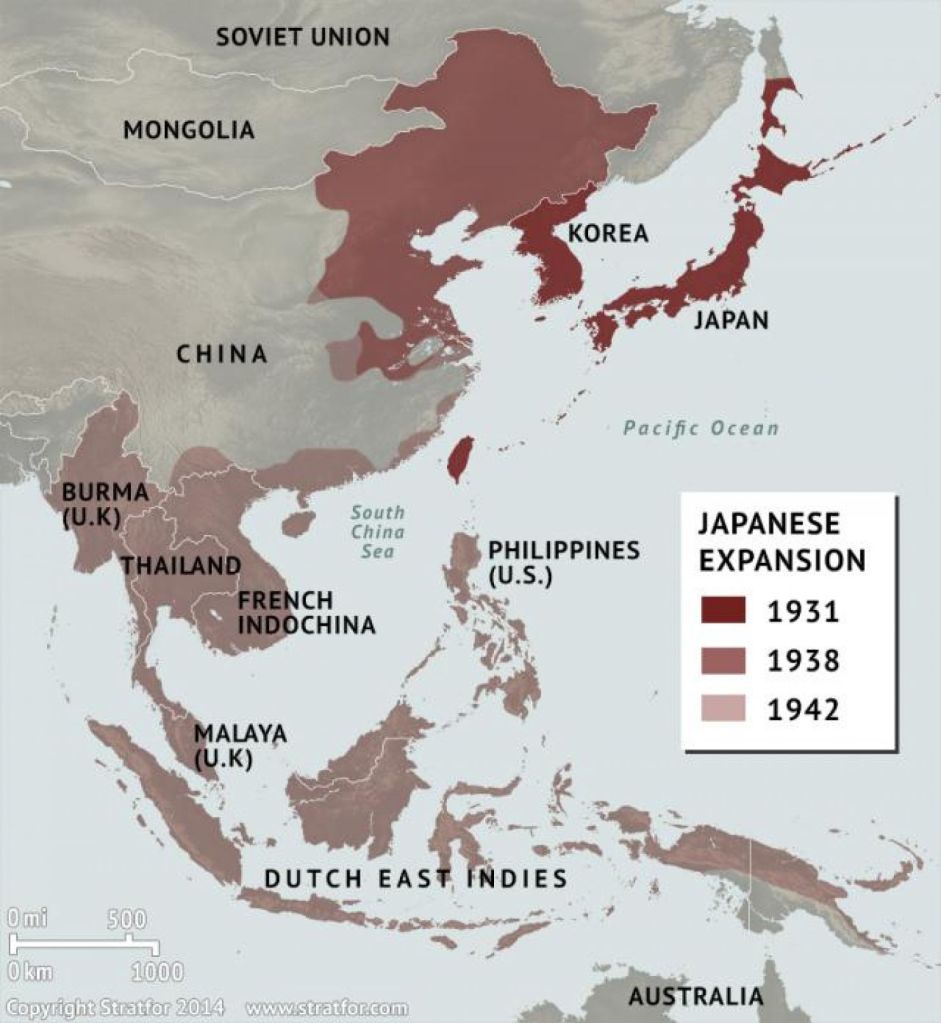
This honeymoon period of trade, prosperity and relative stability ended in the 1942 with the brutal occupation of Malaya by Japan. As the attack on Pearl Harbour was underway, the Japs landed in Kota Bharu and their plan was to hack through the thick jungles of Malaya and take Singapore by surprise. Britain scrambled their fleet and within three days of Pearl Harbour, two of the most prized jewels of the Royal Navy – the HMS Repulse and HMS Prince of Wales – were lying under the South China Sea. Churchill himself rated this piece of news as the most devastating piece of information he handled during the war. Japan was now the sole master of Southeast Asia and all set for capturing the oil fields of the Dutch Indies.

Life under the Japanese occupation was brutal. One of those what-if questions of history that has intrigued me has been about what India would have had to undergo had the Japs not lost the Battle of Kohima? Twan Eng’s novels give numerous hints to answer such a question. Brutal prison camps, massacres of suspects and the most horrific of all – forced prostitution of girls and women to service the soldiers became the norm. After the defeat of the Japanese, the treaty with the Allied powers exempted them from having to pay for any repatriations to their victims in Southeast Asia. As was a common phenomenon of that era, a communist insurgency took root in Malaya. But thankfully, it failed – one of the few instances of a country winning over a communist insurgency in the post-WWII era.
Do check out Twan Eng’s books. With mastery over prose, he showcases so many layers of Penang – the Estate owners, the maritime trade, the Malayan Chinese, the architecture, the burden of memory and trauma and more importantly, the difficulty of being a Japanese who disagreed with the war. Interestingly, the third book of Twan Eng’s trilogy was based on a real-life incident in literary history. In 1921, one of English literature’s superstars ended up spending close to two years in Penang. The time he spent here along with his other sojourns in the region made him write some of the most celebrated short stories of all time. The writer? One of my favorites – the one and only Somerset Maugham.
Twan Eng captures his eccentricities, his homosexuality, his fondness for his mother who died when he was a child and his ruthless demolition of the reputations of so many who ended up as characters in his books, subjected to his razor-sharp gaze.

Discover more from Manish Mohandas
Subscribe to get the latest posts sent to your email.

5 thoughts on “Discovering Penang (through books, how else!)”