
Earlier this month, while traveling to Bhopal, I was served this powdered concoction by the Indian Railways. Though it looked like chalk powder, the ‘food’ item in question was Knorr Instant soup and is a classic example of what goes as Ultra Processed Food aka UPF.
According to the NOVA classification, processed food is categorized into four groups. The first three are :
- Unprocessed and minimally processed foods – stuff found in nature (fruits, meat, vegetables etc)
- Processed culinary ingredients; (butter, salt, sugar, honey, vinegar etc)
- Processed foods; (Mixtures of the previous two categories mainly for preservation)
The fourth category is UPF which has been defined as: Formulations of ingredients, mostly of exclusive industrial use, made by a series of industrial processes, many requiring sophisticated equipment and technology. The easier way to remember this is: if it’s wrapped in plastic and has at least one ingredient that you wouldn’t usually find in a standard home kitchen, it’s UPF.
Chris van Tulleken’s ‘Ultra Processed People’ was an eye opener and a deep dive into the complex world of UPF, food sciences, nutritional history, industrial chemistry and climate change.
Most of the UPF we consume is reconstructed from whole food that has been reduced to its basic molecular constituents which are then modified and re-assembled into food. The ploy used by the corporates is to work on the shapes, textures, colours and flavours to hook us into consuming them even beyond the point of satiation. Most UPF is filled with stabilisers, emulsifiers, gums, and a number of different oils. Almost every UPF has palm oil or soy oil as a base. (Check out the packet of any UPF from your kitchen to verify this.) The oil is refined, bleached and deodorized and then used as the base for the remaining industrial processes. The soy and palm is in turn grown in industrial-level farms by rampant deforestation of the Amazon and Indonesian rainforests.
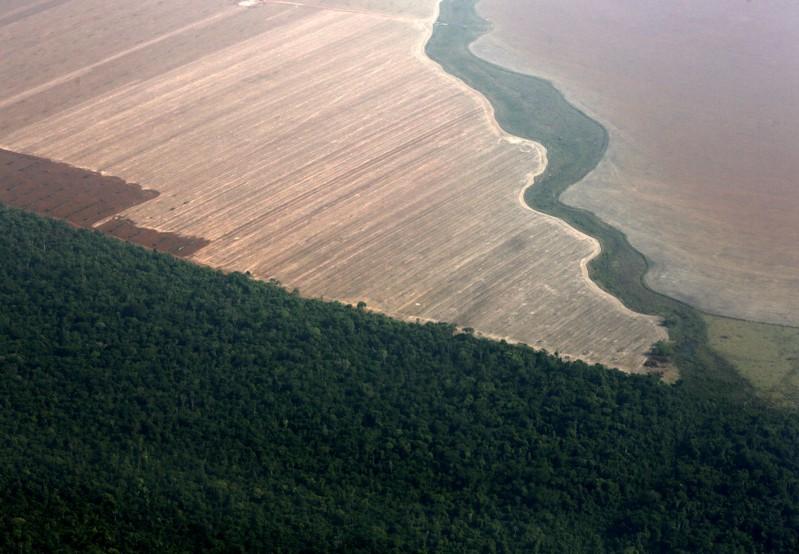
In pursuit of making this quantity of food, agribusinesses have invested in a handful of high-yield crops and products, typically grown or produced on land that should be tropical forest, using agrochemical inputs – fertilisers, pesticides, herbicides, and lots and lots of fossil fuel of course. Supported by government subsidies, this approach has led to a global glut of commodity crop production, and declining food diversity.
For these commodity crops to be profitable, they need to be turned into something, and there are two options (or three, if you count biofuel): ‘You can force the crops through a factory-farmed animal to produce meat, or process them into an aggressively marketed UPF.
Growing specific foods for specific communities is a hassle. It’s much more profitable to grow a small number of things with maximum efficiency, then colour, flavour and market them as diverse foods. As we’ve seen everything from chicken nuggets to ice cream can be made from the same base liquids and powders.
Tulleken claims that just twelve plants and five animals now make up 75 per cent of all the food eaten all over the world.
The following is a ready reckoner offered by Tulleken:
- UPF is, in general, soft. This means you eat it fast, which means you eat far more calories per minute and don’t feel full until long after you’ve finished. It also potentially reduces facial bone size and bone density, leading to dental problems.
- UPF typically has a very high calorie density because it’s dry, and high in fat and sugar and low in fibre, so you get more calories per mouthful.
- It displaces diverse whole foods from the diet, especially among low-income groups. And UPF itself is often micronutrient-deficient, which may also contribute to excess consumption.
- The mismatch between the taste signals from the mouth and the nutrition content in some UPF alters metabolism and appetite in ways that we are only beginning to understand, but that seem to drive excess consumption.
- UPF is addictive, meaning that for some people binges are unavoidable.
- The emulsifiers, preservatives, modified starches and other additives damage the microbiome, which could allow inflammatory bacteria to flourish and cause the gut to leak.
- The convenience, price and marketing of UPF urge us to eat constantly and without thought, which leads to more snacking, less chewing, faster eating, increased consumption and tooth decay.
- The additives and physical processing mean that UPF affects our satiety system directly. Other additives may affect brain and endocrine function, and plastics from the packaging might affect fertility.
- The production methods used to make UPF require expensive subsidy and drive environmental destruction, carbon emissions and plastic pollution, which harm us all.
The clincher for me was Tulliken’s claim that every food processing behemoth knows all of this. And to verify this, he prods us to check out the website of Coca Cola. What you get on the landing page is not information about coke or other beverages but rather, a whole range of planetary concerns and water management initiatives Coke is invested in. I must admit it looked more impactful than the UN SDG website. I was bewildered by this green-washing.

While it may not be possible to envision a world without UPFs, it may be worthwhile to cut down on mindless binging. While saving the planet may be farfetched, you probably might end up giving your gut some respite!
Finally, I would also encourage you to read Adam Gopnik’s scathing review of this book in the New Yorker. While I disagreed with his dismissal, I couldn’t help but marvel at the writing!
Discover more from Manish Mohandas
Subscribe to get the latest posts sent to your email.

fabulous article and extremely interesting way to write. 👍
LikeLike
Thank you for reading and commenting Aditi 🙂
LikeLike