Should the Kohinoor be returned to India? Doesn’t the Rosetta Stone rightly belong to the Egyptians? The Elgin Marbles – the highlight of the British museum – should be reinstalled in the Parthenon, right? What are the Egyptian mummies doing in the British Museum? And why aren’t the Benin bronzes returned?
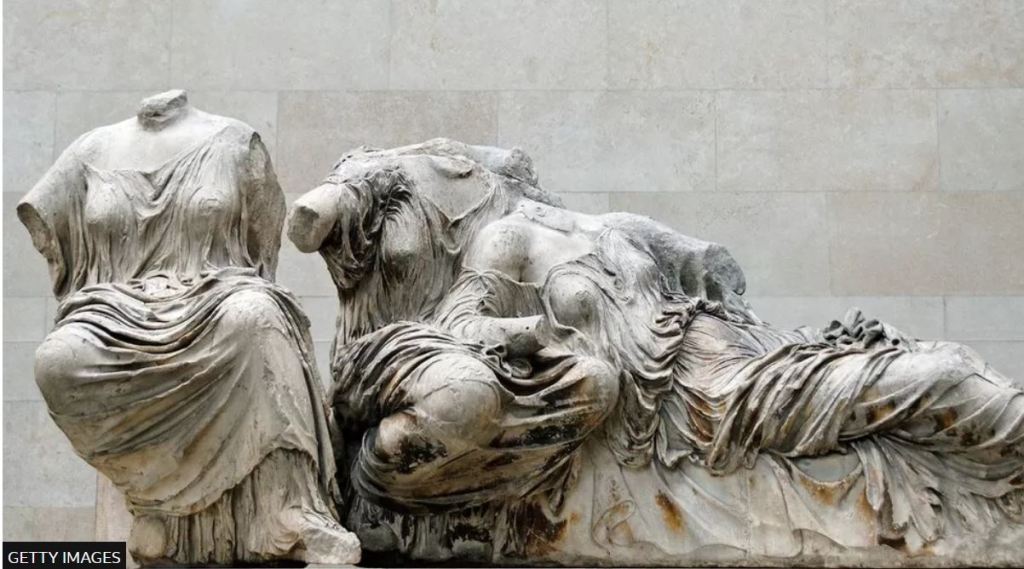
These are all fraught questions which don’t have any easy answers. The issue of repatriation is intertwined with the bloody legacy of colonialism, racism, identity and also with the humanistic legacy of scientific research, anthropology and conservation.
Tiffany Jenkins, in Keeping Their Marbles: How the Treasures of the Past Ended Up in Museums – And Why They Should Stay There, makes a compelling argument against repatriation. For Jenkins, seeing a museum as merely a repository of ill-begotten artifacts is a disservice to the whole enterprise that a museum is. A museum is a space that can remind us of the idea of what shared humanity means, bring closer the experiences and lived realities of communities that lived in a different age and make us introspect our own politics around the idea of the ‘other’.
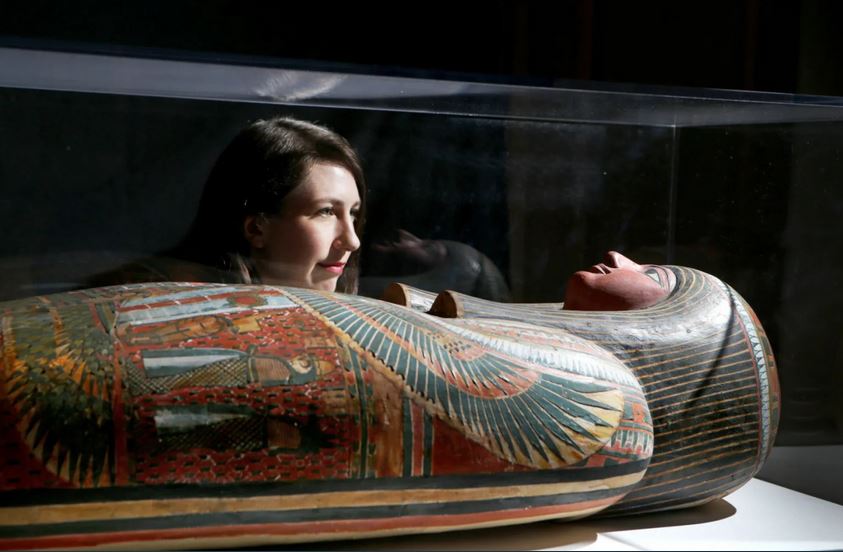
The Rosetta Stone, the cuneiform tablets, and the Parthenon Marbles, as well as the many different artefacts in museums, all originally adorned different spaces—none of these were intended for our eyes. They were not made to be placed on a pedestal inside any museum, but this is where they bring the past to life. Collecting necessitates taking artefacts or parts of an object from one part of the world, from a particular time and place, and preserving it in a separate sphere. The fact that objects are in a museum in the first place by definition entails a disjuncture from one context and the creation of a new one. This act of separation removes objects from their original use, but then generally situates them in a wider, richer framework of relationships. An icon or a religious painting that was once an object of devotion in a church, becomes in a gallery an object of inspiration or beauty, or a social text to be read. Next to other artefacts they provoke questions, illustrate relationships, and take on an elevated meaning. That is the value of museums.
Today, museums are equated with the ideas of elitism, class, violence , identity and what not. Equally important to note is that the countries clamoring for the return of their artifacts are also short selling the idea of a ‘glorious past’ to their citizens. Modern day Egypt never existed when the Rosetta Stone was lifted. The Kohinoor was possessed by the Mughals, Shah Suja Durrani, the Sikhs, the East India Company and finally the British monarch. So who has a legitimate claim on it? Should the Harappa Dancing Girl be returned to Pakistan? Most of the artifacts preserved in the major museums are a fraction of the cultural heritage of the lands they came from. What happened to the rest? Why weren’t they preserved and protected by the native rulers. Had it not been for colonialism, would these artifacts have been around today?
The destruction of the Bamiyan Buddha in 2001, the looting of the the National Museum of Iraq in 2003 and the ISIS’ destruction of Palmyra in 2015 were terrible. But it’s also important to remember that a lot of the outrage and subsequent efforts in preservation emerged from museologists – a tribe that emerged from the same hated museums of the West.
So the next time you read of a leader triumphantly announcing the return of cultural heritage, remember, it’s not all that straightforward.
Discover more from Manish Mohandas
Subscribe to get the latest posts sent to your email.

2 thoughts on “Museums and Repatriation”