No conversation around the idea of democracy can skirt the English Civil War. The seventeenth century in England with the Stuarts in power also produced two of the greatest political philosophers of all time – Thomas Hobbes and John Locke. So, trying to get a sense of this period led me to Jonathan Healey’s ‘The Blazing World’.
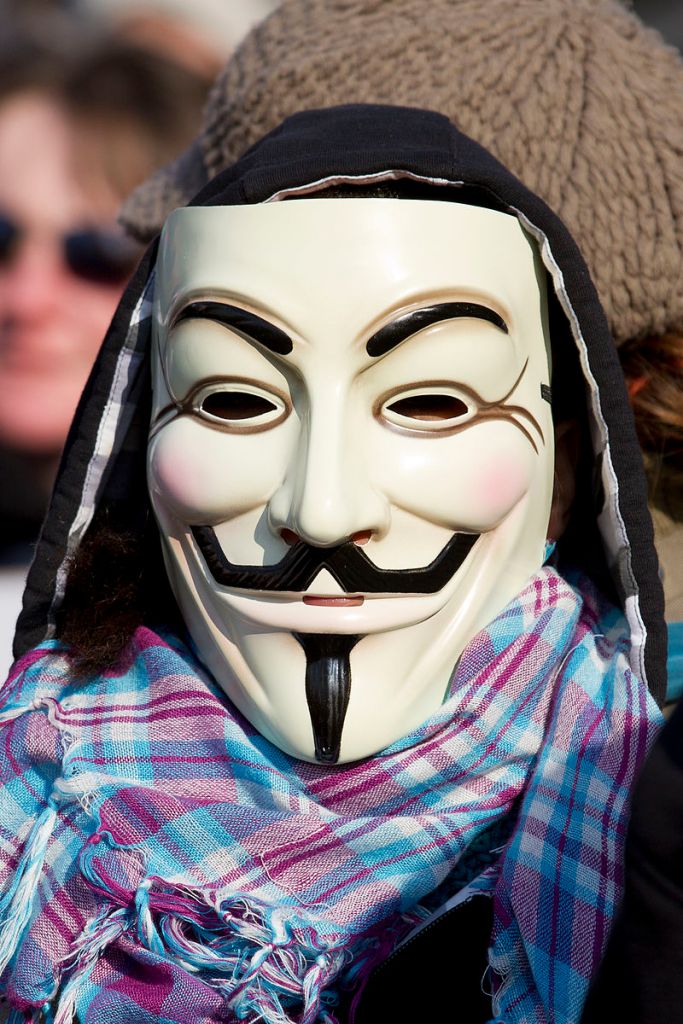
England, at that time, though Protestant under the Anglican Church was also battling the surge of Puritanism (a radical form of Protestantism inspired by Calvin). Much of the 17th century is nothing but a battle of supremacy between these two strands and Catholicism. After the death of Queen Elizabeth, King James of Scotland was invited to become the King of England. Today’s his legacy is still alive in the form of the King James Version of the Bible which was commissioned during his reign. His ascension to the throne was also marked by the Gunpowder Plot – a doomed attempt to blow him up along with the whole of Parliament, in an attempt to bring a Catholic to the throne. (Guy Fawkes, one of the plotters became the inspiration for the mask used by the anarchist in the graphic novel V for Vendetta; now an almost universal symbol of resistance). It was also during his reign that the Pilgrim Fathers – separatists who felt they had to ‘leave’ England – set sail in the Mayflower and established a colony in America and called it Plymouth.
James I was an absolutist who had no doubts on the divine right of kings to rule. The Parliament, for him, was supposed to toe his line and not question him.
On his death in 1625, his son and heir Charles I, ascended the throne and ended up losing his head in 1649. The English Civil War, between the Royalists and the Parliamentarians, was primarily driven by Charles’ taxation policies to fund his costly European campaigns and extravagant life. To cut a long story short, he lost the war and his head.

Oliver Cromwell – a MP, took over as the Lord Protector of the English Commonwealth. To get a sense of this period, check out the 2003 movie ‘To Kill a King’ which is available on YouTube:
There’s also the 1970 biopic on Cromwell which is available on Prime Video and which I’m yet to watch.
With Cromwell’s death, Parliament, invites Charles II, the son of Charles I, to take over the monarchy. Since then, Britain has never been a Republic. Charles II was a playboy who despite fathering 11 children, had no legitimate heir. (He’s the same chap who got Bombay as dowry when he married Catherine of Braganza.) So on his death, his brother James II took over as the next monarch.
James II was earlier the Duke of York. When the British take over New Amsterdam from the Dutch after the second Anglo-Dutch War in 1664, they decide it to rename it in honor of the next-in-line to the throne. Thus the city becomes New York! Now James II was a Catholic and discarded all pretense of being agnostic to the interests of the Catholics. While, this was tolerated for a while, the birth of his son, changed the equation. Parliament could no longer risk having a Catholic line in the throne of England. So the solution they arrived at was to invite the daughter of James II, Mary who in turn was married to her cousin William of Orange, who was also Charles I’ grandson.
His invitation to London, his arrival and the peaceful transition as the King of England became known as the Glorious Revolution. The Glorious Revolution marked a decisive shift in power from the monarchy to Parliament. It established the principle of constitutional monarchy, where the monarch’s authority was limited by a set of laws and a balance of power with Parliament. The Bill of Rights of 1689, which was enacted as a result of the revolution, outlined key constitutional provisions, including the rights of individuals, limitations on the monarch’s powers, and the establishment of regular parliamentary elections. he Bill of Rights affirmed fundamental principles such as the right to petition, the prohibition of cruel and unusual punishments, and the right to fair and speedy trials. It also explicitly forbade the monarch from suspending laws, imposing taxes without parliamentary consent, or maintaining a standing army during peacetime.
The Glorious Revolution and its implications had a lasting influence in the American War of Independence. Much of the democratic principles in vogue today emerged from that tumultuous century. And along with the rise of political stability, England also saw the dawn of the scientific age. With all this happening in the seventeenth century, it also saw the likes of Newton, Hooke and Bacon taking center stage and heralding a new era.
Discover more from Manish Mohandas
Subscribe to get the latest posts sent to your email.

5 thoughts on “The Stuarts and the English Civil War”