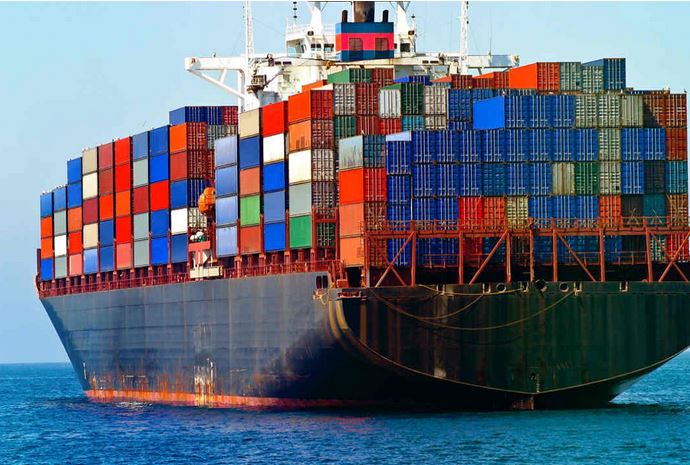
The invention of the shipping container as a mode of transport by Malcolm McLean is considered to be a watershed moment in the history of global trade and logistics. By standardizing the size of the container (most are eight feet wide, eight and a half feet high and forty feet long), shipping became efficient and the movement of goods from ships to trailer trucks became seamless. Prior to this, packaging was haphazard, and longshoremen depended a lot on raw power to physically haul goods.
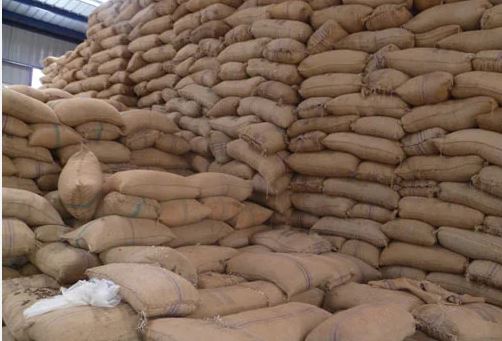
Until the mid-19th century, most of the packaging material for goods was made from flax and hemp. The supply chain disruptions brought about by the Crimean War (1853-56) pushed manufacturers to adopt jute as a packing material and in the following decades, jute fabrics (in the form of gunnies, hessians and burlap) cornered the global market for packing materials. From this point, the bulk of the global trade in grains, cotton, sugar, coffee, cement, bacon etc was dependent on jute as a packing material. Economics 101 tells us that when demand goes up, price follows and in response, supply picks up. In this case, the same happened. The only catch being that the bulk of the cultivation happened in an inconspicuous corner of the world – the Bengal delta.
Calcutta’s jute exports increased from eighteen tons of raw fibre in 1829 to thirteen million tons of fabric and fiber in 1910. In the half century since the Crimean War, jute transformed from a little-traded and little-known commodity into a major commodity of empire, the second most widely consumed fiber in the world after cotton (about which I previously wrote about here).
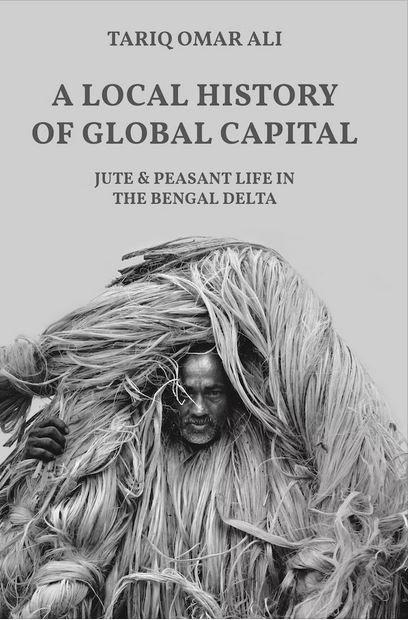
As part of the ‘Histories of Economic Life’ series, Tariq Ali’s ‘A Local History of Global Capital’ analyses the impact of this dramatic shift in jute production on the socio-economic life of the Bengalis involved in the trade. A few of the striking arguments he puts forth are:
- The expansion of jute came at the cost of rice cultivation. Bengal became totally dependent on the rice imports coming in from the Burma’s Irrawaddy delta. (When Burma fell to the Japanese in WWII, these supplies ran out and we had the Bengal famine).
- The need to connect Calcutta with the rural hinterland, led to massive investments in the Railways. However, the consequent east-west orientation of railway lines blocked the delta’s natural north-south drainage. Railway lines were constructed with high embankments and relatively few openings to allow drainage—the former to protect railways during the delta’s annual flood and the latter to reduce costs. These railway embankments exacerbated floods and malaria and other epidemics began to ravage local populations.
- Ali argues that Curzon’s partition of Bengal, often seen as the high watermark of Britain’s Divide and Rule policy, was in fact an administrative decision to reduce the burden on Calcutta and increase the salience of Dacca to absorb the exploding jute production from the rural hinterland (primarily concentrated in East Bengal and the upper tracts of Assam).
- The rise in household income led to a rising demand for ‘foreign goods’. While the dwellings still appeared as they were – cramped, sparsely furnished and derelict, the demand for cloth, gold and silver ornaments, umbrellas, copper and brass utensils, corrugated iron sheets, kerosene lamps and oil, Swedish safety matches, cigarettes, gourmet fish, seasonal fruit, confections and sweets in rural marketplaces went up exponentially.
- When the Swadeshi Movement was launched in response to the 1905 partition of Bengal, and during a period of high global jute prices, the consumption of foreign goods became an issue for the Nationalists resulting in clashes with the Muslim peasants. The comparative prosperity of jute cultivators became an embarrassing sticking point for the Swadeshis.
The crash in jute prices after the First World War marked the end of peasant prosperity and led to peasant immiseration in an unimaginable scale. Peasant rebellions against state authority during the Khilafat movement of 1920–22 were informed by the un-viability of market-entangled lives during those years. Further, numerous episodes of Hindu-Muslim violence during the following decades were a result of the complex interplay between the economic and religious dynamics between rural villages and the moffusil towns.
The final chapter of the saga was the Partition of India and the creation of Pakistan and East Pakistan. From a colonial commodity, jute suddenly became a national resource and a critical source of foreign revenue for Pakistan. East Pakistan’s jute farmers produced 70 percent of the world’s jute and India’s jute mills consumed 70 percent of East Pakistan’s jute.
Today, India and Bangladesh are still the leading producers of jute in the world. But, its no longer a priced commodity in the international market.
Discover more from Manish Mohandas
Subscribe to get the latest posts sent to your email.

Interesting read! What were prosperity levels of Bengal compared to other states of India when Jute was in demand? How did the fall in jute prices affect undivided pakistan and subsequently Bangaldesh’s economy.
The connect to bengal famine is fascinating.
LikeLike
Interesting read. How did Bengal’s ecocnomy compare to other states of India when Jute was in demand. Same question for undivided Pakistand and Bengladesh. The connect to the bengal famine was astounding.
LikeLike