
Grit is the technical term for persevering and being passionate about a project. Reading Angela Duckworth’s work on this subject a few years back, was my first encounter with ‘quitting’ as a psychological concept. According to Duckworth, every pursuit driven by grit has to be regularly assessed against the rationality of quitting. Annie Duke’s dedicated work on the topic, unsurprisingly titled ‘Quit’ provides a sound framework to understand this better.
We live in a culture that celebrates success, trophies, and go-getters. The proverbs drilled into us and the regimental approach of schools make the life of grit a no-brainer to follow. However, what often gets lost is the fact that most successful, happy and content folks end up by quitting numerous things through out their lives. Despite this, quitting gets a bad rap since its non-dramatic, unglamorous, and mostly a hushed-up secret.
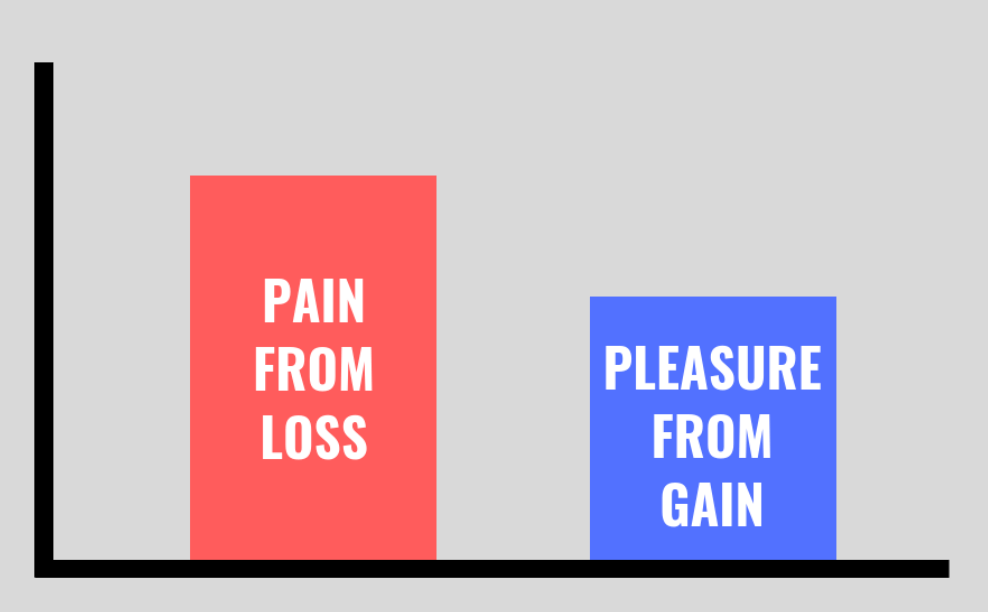
Using Economics and behavioural sciences, one can argue that quitting is primarily a forecasting problem. Do I need to re-calibrate my current strategy in light of the expected value I can derive from this in future? What makes it so hard for me to drop what I’ve begun and call it quits? The Nobel laureate Daniel Kahneman calls this Loss Aversion – i.e. the emotional impact of a loss is greater than the corresponding impact of an equivalent gain. A corollary of this argument is that humans are wired to quit when the going is good rather than when things are going downhill (Every stock market trader will attest to this).
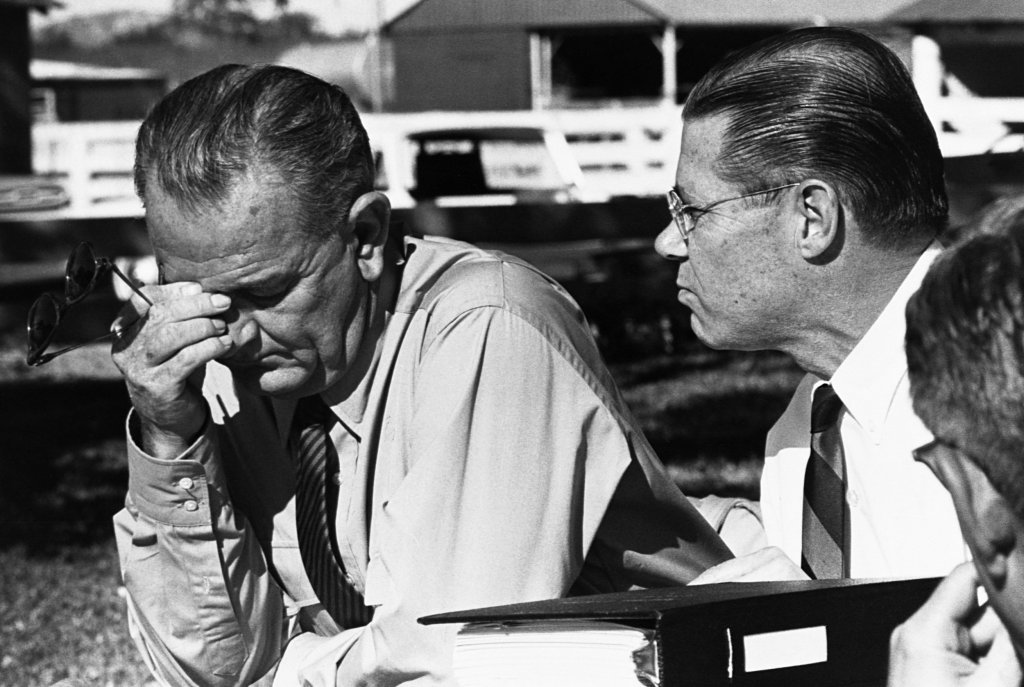
A more intuitive manner to interpret this is the Sunk Cost Fallacy. When we invest our time, energy and resources into projects that are going nowhere, it’s this Sunk Cost that makes us hold on to things that need to be let go of (includes things like a career, a marriage, a business, a relationship etc). The equivalent model for sociologists is the term called ‘Escalation of Commitment’. When the body bags from Vietnam kept piling up, McNamara and Lyndon Johnson didn’t call it quits. They doubled down and decided to dig their heels in. This is one way of explaining ‘Escalation of commitment’ – its hard to quit when you’ve put so much on the line (using this framework, I wonder if Rajiv Gandhi’s withdrawal of the IPKF from Sri Lanka was indeed praiseworthy!).
It’s always easier to soldier on and suffer one’s fate when compared to taking the plunge to try out something new and then burn one’s fingers! This fallacy in thinking is what goes by the name of Omission-Commission bias. Another cognitive distortion that messes up our thinking around Quitting.
Finally, quitting is also an ego-bashing process. Our sense of Identity, which is a mishmash of our beliefs, values and perception, is probably the biggest culprit in the room when it comes to issues around quitting. The evergreen ‘What will others think of me?’ is a monkey that needs to be thrown off your back. It’s always worth asking yourself if it’s your values and beliefs, that need some serious re-calibration!
Discover more from Manish Mohandas
Subscribe to get the latest posts sent to your email.
